Locations:


Find out what a nutrition specialist eats + why
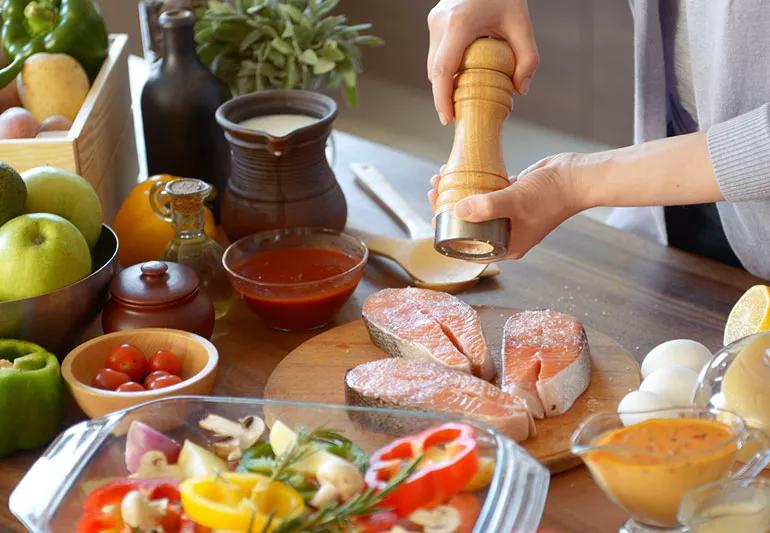
Image content: This image is available to view online.
View image online (https://assets.clevelandclinic.org/transform/ec612062-1463-4b8e-b4b9-471c94d485d7/realFoodDiet-969841130-770x553_jpg)
Woman preparing healthy dinner with salmon and vegetables
You’ve decided to try to lose weight and eat a healthier diet so you feel better and your joints don’t ache so much. Okay. Now what? There’s no shortage of diets and diet advice out there. What’s the best approach?
Advertisement
Cleveland Clinic is a non-profit academic medical center. Advertising on our site helps support our mission. We do not endorse non-Cleveland Clinic products or services. Policy
We spoke to Roxanne B. Sukol, MD, MS, an internal medicine physician with special expertise in prevention of chronic diseases, for her advice.
Dr. Sukol has spent much of her career exploring the impact of what people eat on their health and well-being, including her own. She helps her patients and others find their own individual paths to sustainable ways to change their eating habits.
“I believe that many diets have one particular strategy in common, which is to increase the amount of real food that people are eating and decrease the amount of manufactured calories, which includes stripped carbohydrates,” says Dr. Sukol.
Stripped carbohydrates have been processed in ways that remove the most nourishing parts. For example, to make white flour, the bran and germ are stripped out. Other stripped carbohydrates are white rice, corn starch and sugar.
“It’s not a coincidence that white flour, corn starch and powdered sugar look exactly the same,” says Dr. Sukol. “We’ve removed the original identity of those products, and all that’s left is a pile of white powder.”
“Real food comes in 11 varieties,” says Dr. Sukol. These are fruits, vegetables, beans, whole grains, nuts, seeds, dairy, eggs, meat, fish and poultry. “This is food that nourishes us,” she says.
Advertisement
That doesn’t mean that everyone will eat everything on the list. Some people have allergies (to nuts, for example), or certain intolerances (such as to lactose or gluten). And some people choose not to eat some foods, such as vegetarians (who don’t eat meat or fish) or vegans (who also avoid eggs and dairy).
But if you want to nourish yourself, those are the choices, and everything else is entertainment. I’m not saying you can’t eat entertaining items; just be aware they don’t nourish you.
“I don’t deprive myself of all treats,” she says. “If I go somewhere and there’s a plate of brownies, I might eat one.” It’s about making personal choices. How well do you want to be nourished, and how much entertaining food do you require to not feel deprived?
If you are aiming to eat a more nourishing diet, don’t try to make a complete switch all at once. Attempting to achieve perfection is probably a recipe for failure.
Dr. Sukol recommends paying attention to how much stripped carbohydrates you eat for a week or two, and then deciding to lower it by a certain amount — perhaps 30%. And then try it. She also suggests replacing it with something else that you like.
And she doesn’t focus on calories and portion sizes. “Your brain can tell the difference between real food and entertainment,” she says. If you feed yourself food that nourishes you, you won’t feel as hungry. She encourages people to trust how they feel. “Your body is telling you something,” she says. “Listen.”
People often make assumptions about what Dr. Sukol eats, variously thinking she might be vegan or follow a paleo or Weight Watchers® diet. In one of her blog posts, she sets the record straight. Here is a shortened version:
Breakfast: I had a cup of black coffee, a bowl of gazpacho (cold vegetable soup), and some strawberries.
Lunch: I often have leftovers from the previous night’s dinner, like stew or vegetables. It usually contains some beans, tofu, chicken or fish. Or an avocado, sprinkled with salt, or a bowl of homemade soup and a couple of pieces of fruit. Afternoon snack consists of nuts (any and all kinds), a piece of fruit and a piece of dark chocolate. I keep a small knife and cutting board at work to slice up things like tomatoes and cucumbers.
Dinner: I might have salmon, cod, bean soup, eggs poached in tomato sauce, turkey meatballs or canned tuna. There is always a green salad and one or more vegetables, one of which is green. Salad can be just lettuce, olive oil and sprinkle of salt. There is the occasional sweet potato, quinoa, kasha or brown rice.
This article originally appeared in Cleveland Clinic Arthritis Advisor.
Advertisement

Sign up for our Health Essentials emails for expert guidance on nutrition, fitness, sleep, skin care and more.
Learn more about our editorial process.
Advertisement
Look for options that have protein, fiber and healthy fats

Don’t underestimate the power of a pause
From sauerkraut to kimchi, these foods can help keep your gut healthy

This famously funky-smelling fruit is packed with fiber, vitamins and minerals
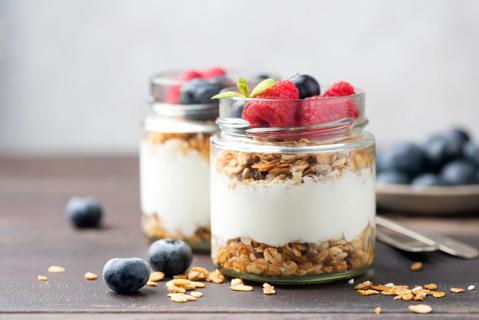
Choosing snacks with protein can help curb hunger, support muscle health and keep your energy steady between meals
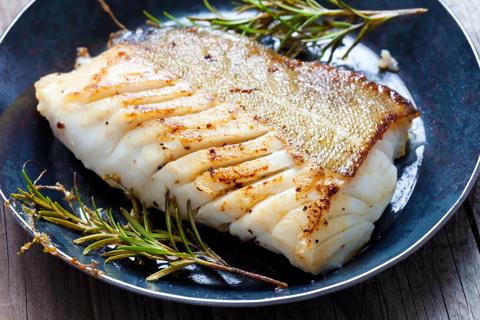
Fish packs plenty of protein, heart-healthy fats and other body-boosting nutrients into every bite
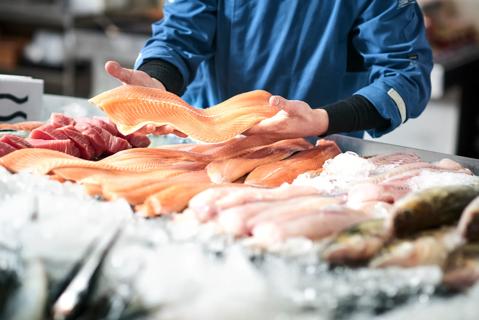
The best choices are high in omega-3s and protein and low in mercury

Look for foods with a variety of nutrients that last a long time and work in multiple meals — like legumes, whole grains and frozen or canned produce

This simple practice can help you notice what’s meaningful, comforting or going well
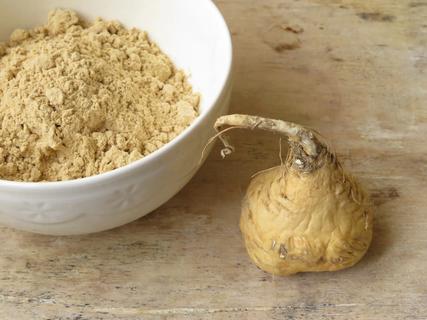
Maca root supplements claim benefits like sexual health, menopause symptom relief and more energy — but human research is limited

It can take a few months — and you’ll need to put down the tweezers to give your brows time to recover
 Search