Locations:





Fancy and unusual ingredients aren’t always better
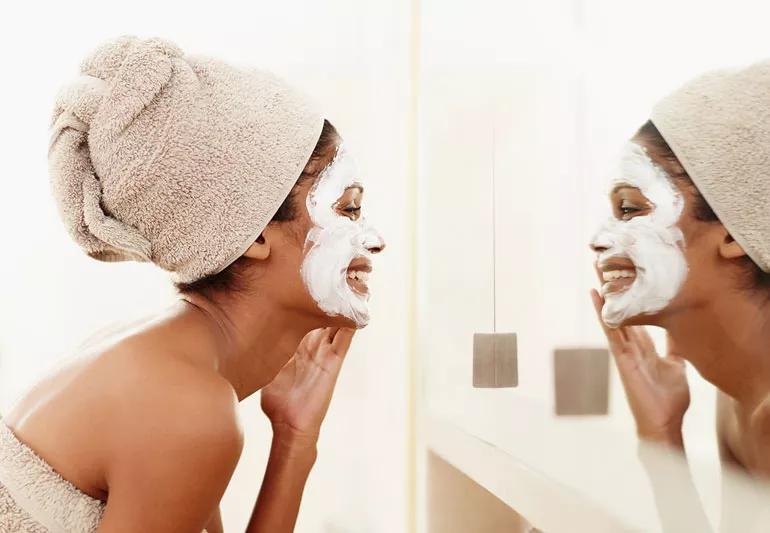
Image content: This image is available to view online.
View image online (https://assets.clevelandclinic.org/transform/f1b46a06-9aa0-4a70-bbef-4024f3b4d7c3/faceMask-175417359-770x553_jpg)
woman applying face mask in bathroom mirror
In our obsession and quest to embrace self-care, face masks have emerged as a front runner. Feeling sad, stressed out or anxious? Nothing a good face mask can’t fix. Right?
Advertisement
Cleveland Clinic is a non-profit academic medical center. Advertising on our site helps support our mission. We do not endorse non-Cleveland Clinic products or services. Policy
From skin complaints, to tween sleepover activities, to alluring sparkly little packages – guys and gals of all ages are reaching for face masks. But are these beauty indulgences overpromising the dramatic skin results they claim?
Here’s what dermatologist Shilpi Khetarpal, MD, wants you to know about face masks.
“When it comes to skin care I tell all my patients that your priority should be cleansing, daily sunscreen and daily moisturizing,” says Dr. Khetarpal. “But a face mask can be complimentary to a good skin care routine.”
Face masks work by driving ingredients closer and deeper into the skin, infusing your pores and allowing the skin to soak up more of the product. Face masks can have the immediate effect that people are looking for, so although it may be temporary, it can give you a boost or glow for an event.
Dr. Khetarpal says that sheet masks (or Korean face masks) are great for soothing if the skin is sensitive or inflamed from a procedure or even a sunburn. Sheets masks also tend to be more hydrating as it allows the moisturizer to be distributed and absorbed directly on the area via the paper. Cream masks, on the other hand, tend to be geared towards specific skin complaints and concerns such as acne or wrinkles.
Advertisement
Before using a face mask, be sure to wash your face with a gentle cleanser and warm water to remove any makeup, dirt or residue. Using warm water allows the pores to stay open and for the ingredients to seep in better.
A lot of face masks on the market today claim to include unusual ingredients. But do you really want to slather glitter, mushroom juice or snail jelly all over your face? Many times, these fancy masks have a lot of fragrance, dyes and parabens – all of which can wreak havoc on your skin (especially sensitive skin).
So what should you look for when picking out a face mask?
Dr. Khetarpal recommends reading the product label and looking for words such as: Fragrance free, hypoallergenic and free of dyes and parabens. Using harsh chemicals, allergens and preservatives on your face can cause heaps of issues. You also run the risk of being allergic to one of the ingredients and irritating the skin. This is especially true for tweens, who tend to have more sensitive skin.
“There are a lot of masks out there that aren’t as fun and exciting, but can still have a nice effect on your skin,” says Dr. Khetarpal. “But it’s important to read the label and know the ingredients before putting it on your face.”
It’s also important to be aware of prescription and over-the-counter medication and how it will interact with the ingredients in a face mask. Some medications alter the thickness of the skin or make skin super sensitive – all of which can clash with face mask ingredients.
So before you use that bee venom-infused mask, check with your dermatologist to see if they can recommend a safer alternative for the results you’re looking for.
Have a skin complaint and looking for a quick fix? Here are a few common ingredients to look for on the label when trying to combat a skin concern:
Dry skin: hyaluronic acid.
Fine lines: anti-oxidants like vitamin C, vitamin E, resveratrol and ferulic acid.
Acne & blemishes: salicylic acid and alpha hydroxy acids (AHAs).
Rosacea: niacinamide.
Dark spots & pigmentation: soy, kojic acid, tranexamic acid and licorice root extract.
Oily skin: salicylic acid.
Dr. Khetarpal says that depending on what’s in it, at-home face masks can be perfectly safe to make and use.
Curious about what at-home ingredients to include in your mask?
Advertisement
Avoid acidic products like lemon or lime juice and apple cider vinegar. These products have low pH and can cause skin irritation.
Before using any homemade skin mask, Dr. Khetarpal recommends to test it on a small area of the face first to make sure you can tolerate the ingredients. Try testing a small area of the skin on the jaw line or behind the ear. She also suggests using a small amount of petroleum jelly around the eyes to protect the delicate and thin skin in that area.
“Just because a product is expensive, doesn’t mean it’s better,” explains Dr. Khetarpal. “Fancy and exotic ingredients in some face masks have not been studied in clinical trials and we don’t know if they’re safe yet.”
If you want to do something simple and good for your skin, try a soothing mask from your dermatologist, says Dr. Khetarpal. You could even make your own mask at home by buying a sheet mask and putting your own moisturizer or aloe vera on it.
It’s best (and safer) to stick with face masks that have been tried and tested – not from a random ad or influencer you saw on Instagram.
Advertisement

Sign up for our Health Essentials emails for expert guidance on nutrition, fitness, sleep, skin care and more.
Learn more about our editorial process.
Advertisement
This multitasker can help keep your skin clear, support wound healing and disinfect surfaces around your home
This gentle facial cleanser removes dirt, oil and most makeup without drying out your skin
Warm water, lotion, cooking oils or nail polish remover may all help to loosen the adhesive
Educate your child about body image, expectations and skin care first
Coffee skin care products contain anti-aging and brightening benefits — but there may be better options
Although it could be used as a moisturizer, this new trend is not recommended

Changes in texture, smell, color and performance are signs it’s time to throw the cosmetic item away
Strengthening your skin barrier, simple routines and minimizing products are ongoing, popular trends

Managing your weight through physical activity may lower your chances of getting this common cancer
It typically starts in October and winds down in early spring, with cases at their highest in the middle of winter

Anxiety disorders, health conditions and past trauma can make driving nerve-wracking — help is available
 Search










