Locations:





These caffeine-packed supplements can give your workouts a boost

Image content: This image is available to view online.
View image online (https://assets.clevelandclinic.org/transform/0f34fe9d-3df0-45fe-986e-7c53177a95af/Pre-Workout-543986394-770x533-1_jpg)
Pre-workout supplements.
If you’re an athlete or a regular gym-goer, you’ve likely heard the buzz around pre-workout supplements. These products promise to boost energy and enhance workout performance.
Advertisement
Cleveland Clinic is a non-profit academic medical center. Advertising on our site helps support our mission. We do not endorse non-Cleveland Clinic products or services. Policy
But before you gulp down a glass of pre-workout powder, it’s important to know what’s actually in this supplement and how it affects your body. Registered dietitian Kate Patton, MEd, RD, CCSD, LD, talks about what it is, what it can do and what to know before you try it.
“Pre-workout supplements are pills or powders that are meant to be consumed about half an hour before exercising,” Patton says.
Each super-charged scoop or capsule acts like a turbo-boost to your system, thanks to a mix of vitamins and nutrients — plus a whole darn lot of caffeine.
Fans of pre-workouts say these concoctions give them extra energy to exercise and help them recover faster afterward.
But how? Patton walks you through the most common ingredients in pre-workout supplements and how they may help improve your performance.
Advertisement
The main ingredient in most pre-workout products is caffeine, which isn’t necessarily a bad thing. “Caffeine can be great in the appropriate amount,” Patton says.“It stimulates the body’s central nervous system, improves reaction time and can reduce fatigue.”
Taking a pre-workout can also:
Just because you can buy them over the counter doesn’t mean they’re 100% safe or without risk. For starters, pre-workouts contain anywhere from 150 milligrams (mg) to 300 mg of caffeine per serving, which can pack the same punch as chugging three cups of coffee in a row. Yikes!
Patton recommends choosing a product with 200 mg caffeine or less per serving. “It’s always wise to read the product label and proceed with caution,” she advises. “And if you’re sensitive to caffeine, pre-workouts are definitely not going to be a good choice for you.”
Even if you’re not typically sensitive to caffeine, the kind of buzz you get from pre-workout can still cause issues associated with over-caffeination, especially if you take more than the recommended amount or if you’ve already had a lot of caffeine beforehand. Side effects include:
And importantly, beware of “dry-scooping,” an incredibly dangerous practice popularized on social media. This perilous TikTok trend involves downing a scoop of dry pre-workout powder without mixing it into water. It can cause choking or aspiration, which can lead to aspiration pneumonia. “And that amount of caffeine all at once can cause irregular heartbeat, palpitations and even a heart attack,” Patton warns.
Pre-workout makes for a quick boost on days when you’re feeling extra sluggish. “These products can be beneficial and safe to take if the ingredients are correctly listed on the label and the company is credible,” Patton says.
If you work out a lot, though, you probably shouldn’t take pre-workout more than once a day, and always be sure to carefully follow dosage instructions.
And remember: You can’t out-supplement a bad diet. The best way to get energy for your workout is by eating healthy foods that are rich in vitamins and nutrients.
“Many of the safe, natural ingredients typically found in pre-workouts can be obtained through eating real food instead,” Patton states. Before you hit the gym, go for:
Advertisement
“You don’t always know what ingredients are packaged into your pre-workout supplements,” Patton says, “but with whole foods, you always know what you’re getting.”
Take a deeper look at some typical pre-workout ingredients, what they do and how to get them naturally in your diet:
Advertisement

Sign up for our Health Essentials emails for expert guidance on nutrition, fitness, sleep, skin care and more.
Learn more about our editorial process.
Advertisement

Stay afloat with bicycle kicks, alternating punches and water jogging

Plyometric training uses explosive movements to improve speed, power and agility
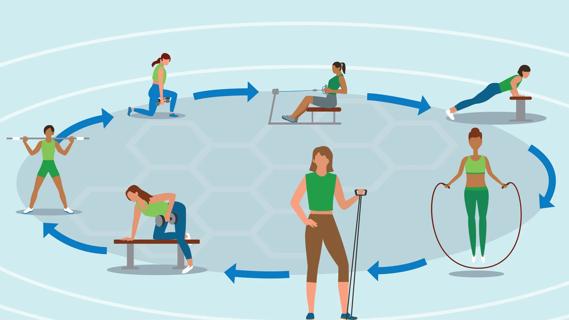
Circuit training combines strength and cardio exercises into one efficient workout

One helps with quick, intense bursts, while the other helps carry you for the long haul

It depends on your symptoms and where you feel them in your body, but you may want to sit this one out
This 75-day challenge provides a balanced approach to physical fitness, mental health and healthy habits
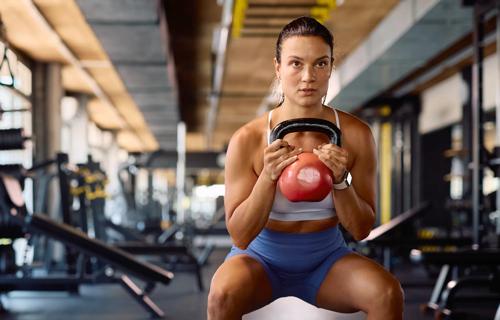
Kettlebells are versatile, space-friendly weights that can help you build strength from head to toe

Get ready to squeeze your glutes, lift your quads and reverse some crunches

Rapid weight loss can cause loose skin, facial volume loss and body contour changes

Swallowing too much air, certain foods and drinks, and digestive conditions can all make you belch more

From poor hand hygiene and ventilation issues to contaminated food, many factors can make infectious diseases spread quickly
 Search










