Locations:





Educate your child about body image, expectations and skin care first
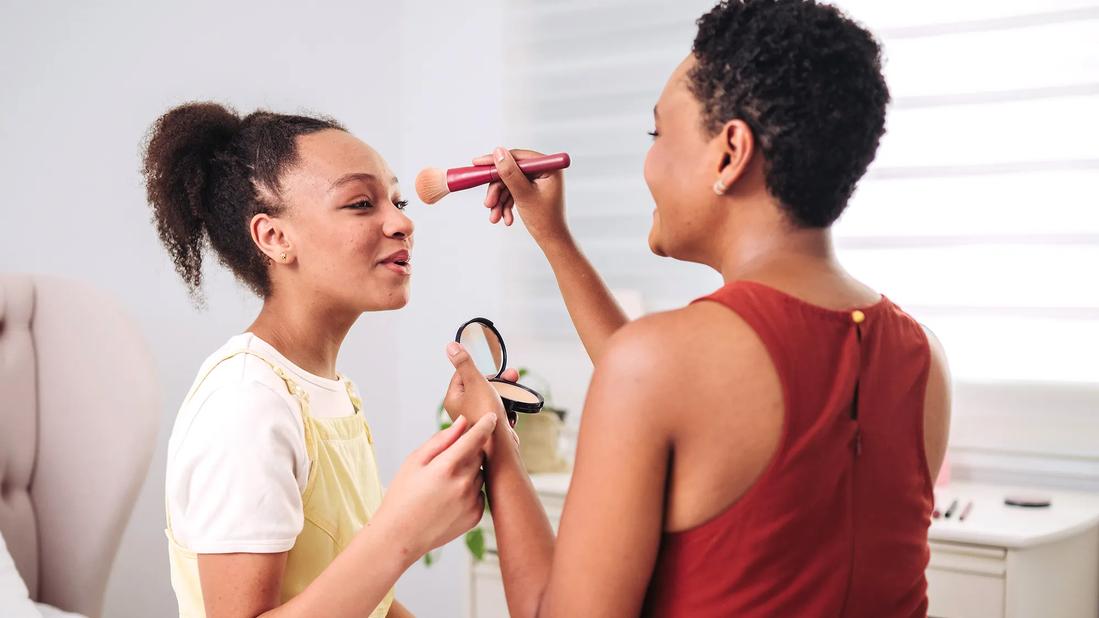
Image content: This image is available to view online.
View image online (https://assets.clevelandclinic.org/transform/d46853f3-4bcf-483b-a969-21e217e1d467/mom-and-teen-makeup-fun-2253970391)
Caregiver applying makeup to smiling teen
Kids’ interest in makeup often begins at a young age — sometimes as early as preschool — while they’re playing dress up and imitating older kids and adults. It’s fine to be interested, but how early is too early for them to start wearing makeup?
Advertisement
Cleveland Clinic is a non-profit academic medical center. Advertising on our site helps support our mission. We do not endorse non-Cleveland Clinic products or services. Policy
Pediatrician Eva Kubiczek-Love, MD, says there’s not one answer to that question. Dr. Kubiczek-Love shares advice to help you make the best choice for your family.
Parents and caregivers may worry about their kids wearing makeup for a few reasons. You may be concerned that it’s not good for their skin, that it will expose them to dangerous chemicals or that it’s inappropriate to wear makeup at their age.
Whether your kid starts asking to borrow your lipstick at 3 or 13, it’s best to talk with them about their newfound interest.
“The first rule of thumb is having an open discussion about makeup as soon as your child expresses interest,” Dr. Kubiczek-Love says. Hearing your child out instead of dismissing their request outright demonstrates the value of listening and lets them practice expressing their thoughts and feelings.
There’s no “right age” to start wearing makeup. The right answer for your child depends on:
Advertisement
Whatever you decide, explain your reasoning. In addition to fostering mutual respect, it will help your child better understand what makeup means to you.
Here are some other things to take into account.
Dr. Kubiczek-Love says understanding why your child is interested in makeup is key. When they bring it up, try to withhold judgment and focus on fact-finding. Your goal is to:
You don’t have to have answers right away. Instead, make a plan to talk later. It may seem oddly formal, but it gives you a chance to think through the potential outcomes of giving or denying permission.
Whether or not you’re going to let your child wear makeup, lay out clear expectations, boundaries and consequences up front.
If you support your kid trying makeup, set up rules about:
If you aren’t OK with your kid wearing makeup, let them know when (or if) the topic will be up for discussion again, and how you arrived at your decision.
If your kid’s wearing makeup, you need to be sure the products you’re purchasing are appropriate for young skin. (Another good reason for not sharing your makeup stash!)
A trending question in recent years has been whether young kids wearing “too much” makeup is causing skin problems that didn’t exist in earlier generations. But it’s rarely wearing makeup that’s the issue. The trouble typically lies in what products they’re using and how they’re caring for their skin.
Makeup created for adults often contains active ingredients (like retinol, salicylic acid and glycolic acid) that can damage children’s thinner, more absorbent skin. Or it may be oil-based — that’s helpful for aging skin, but it can cause breakouts in kids.
Advertisement
You can’t assume that makeup for kids doesn’t have these ingredients. It’s all about doing your research.
Dr. Kubiczek-Love says that, regardless of branding, safe makeup for kids is:
And don’t let terms like “organic” or “clean makeup” fool you.
“Many cosmetics, including those labeled natural and organic, aren’t monitored to the standards parents might expect,” Dr. Kubiczek-Love explains.
No matter what the product is, side effects can happen. For a minor cosmetic allergy like redness or itching, give your child an antihistamine and call their doctor.
Severe allergic reactions (the kind that cause facial swelling or hives) could spread to your child’s airway. If they’re wheezing, vomiting or having abdominal pain, call 911 or your local emergency service.
Advertisement
To avoid side effects of makeup use, like skin barrier damage, teach your kids to:
Talk with your cosmetics-curious kid about the true meaning of beauty — and the role makeup plays.
“Remind your kids that the goal of makeup is to enhance their appearance, not change or overpower it,” Dr. Kubiczek-Love suggests. You boost their self-esteem when you:
With your guidance and support, your child can build a healthy body image — with or without makeup.
“No” is a complete sentence. But when it comes to your kid wearing makeup, it doesn’t have to be. There are plenty of alternatives and in-betweens, like:
Advertisement
If you decide it’s OK for your kid to start wearing makeup, Dr. Kubiczek-Love recommends a slow rollout.
“Ease into wearing makeup. For a preteen, maybe start with lip gloss. Over time, add powder foundation or other products. Don’t dive in with heavy lipstick and eyeliner,” she advises.
This approach helps build their confidence in their ability to apply their own makeup and teaches moderation. It also makes it easier to address allergies.
Their interest in makeup is probably here to stay for now. So, keep the conversation going! There’s plenty to be gained from informal chats about makeup, like helping your kid learn about skin care, self-esteem and how you grew up.
Reasoned discussions, paired with clear expectations and thoughtful boundaries, will help your child explore this new hobby responsibly — without breaking house rules.

Sign up for our Health Essentials emails for expert guidance on nutrition, fitness, sleep, skin care and more.
Learn more about our editorial process.
Advertisement
This multitasker can help keep your skin clear, support wound healing and disinfect surfaces around your home
This gentle facial cleanser removes dirt, oil and most makeup without drying out your skin
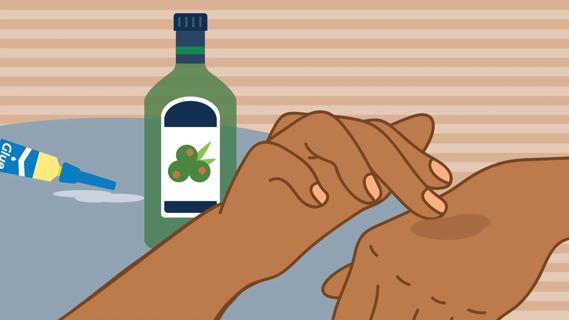
Warm water, lotion, cooking oils or nail polish remover may all help to loosen the adhesive
Coffee skin care products contain anti-aging and brightening benefits — but there may be better options
Although it could be used as a moisturizer, this new trend is not recommended
Changes in texture, smell, color and performance are signs it’s time to throw the cosmetic item away
Strengthening your skin barrier, simple routines and minimizing products are ongoing, popular trends
Glycolic acid benefits skin tone, texture and pigmentation by exfoliating dead skin

Managing your weight through physical activity may lower your chances of getting this common cancer

It typically starts in October and winds down in early spring, with cases at their highest in the middle of winter

Anxiety disorders, health conditions and past trauma can make driving nerve-wracking — help is available
 Search










