Locations:





 Search
Try this method to tame overeating

Image content: This image is available to view online.
View image online (https://assets.clevelandclinic.org/transform/b98495a6-3997-4e72-b217-3f4c00de3745/eat80full-640951176-770x553_jpg)
Friends eating breakfast together
Hara hachi bu is a Japanese term meaning “Eat until you’re 80% full.” It originated in the city of Okinawa, where people use this advice as a way to control their eating habits. Interestingly, they have one of the lowest rates of illness from heart disease, cancer and stroke, and a fairly long life expectancy.
Advertisement
Cleveland Clinic is a non-profit academic medical center. Advertising on our site helps support our mission. We do not endorse non-Cleveland Clinic products or services. Policy
Psychologist Susan Albers, PsyD, says this approach is helpful because it instructs you to stop eating when you feel only slightly full.
“This is good advice for overeaters who are learning how to fill their stomachs only just enough,” Dr. Albers says. “Aiming for 80% full will likely help you get a good gauge on this.”
When you look at your plate, decide how much might make you feel full, and then estimate what 80% of that amount would look like. Perhaps it’s two-thirds of the food on your plate. Aim to feel satisfied and not hungry anymore, rather than full.
Speed also contributes to mindless overeating. Your stomach takes 20 minutes to digest your food. By that time, you’ve already left the table.
“Slow down while eating, and give your body time to register how much you’ve eaten,” Dr. Albers suggests. “If you eat quickly and stop at what you think is 80% full, you may actually be 100% full and not know it since your body hasn’t caught up yet with your mind.”
The 80% approach is also an important skill for undereaters, who may tend to feel too full or bloated when they eat a large meal. Feeling too full is a significant trigger of discomfort, negative feelings and the urge to purge.
“If you struggle with undereating, try eating smaller portions more often to help you cope with this feeling,” Dr. Albers says. “Aiming for 80% full should avoid triggering the ‘too full’ sensation.”
Advertisement
Dr. Albers says it’s time to get out of the all-or-nothing mentality with portions.
“It’s hard to leave behind food that’s already on your plate, even when you know it might be more than you’re hungry for,” she says.
If you frequently find yourself mindlessly eating portions that are too big, start by just leaving one bite behind on your plate! Dr. Albers says then, once you have really got the hang of it, try leaving two bites.
“But don’t do this until you get comfortable with leaving behind one bite,” she cautions. “It’s easier to scale back in baby steps to a portion that meets your hunger than it is to begin by cutting portions in half. Pay attention to your thoughts and your body’s response to this approach.”
This article is adapted from Dr. Albers book “Eat, Drink and Be Mindful” (© 2008, New Harbinger Publications, Inc.)
Advertisement

Sign up for our Health Essentials emails for expert guidance on nutrition, fitness, sleep, skin care and more.
Learn more about our editorial process.
Advertisement

This color additive, found in many pre-packaged foods, may affect people with ADHD or allergies

With a focus on internal cues for hunger and fullness, this eating style may revolutionize your relationship with food
Review the ingredients, watch for sugar and fat, and choose one with the right amount of protein for your needs
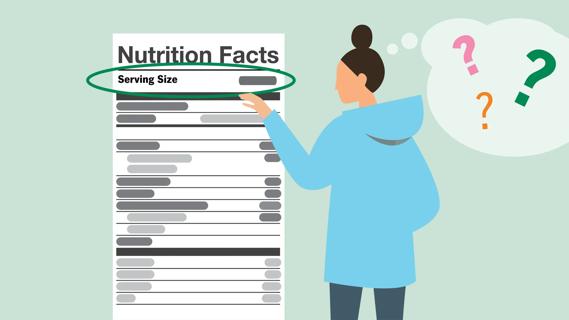
Getting the hang of portions can help you better understand how much to put on your plate
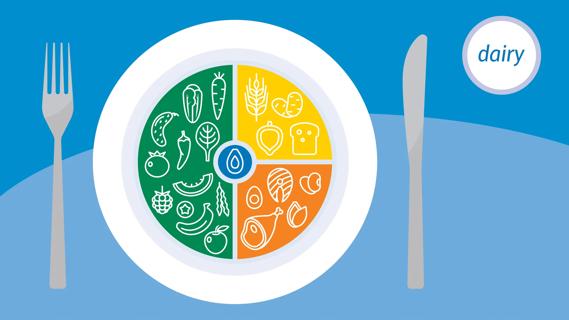
A typical recommended balanced diet is half fruits and veggies, a quarter protein and a quarter grains
Foods high in protein, fiber and water can help keep hunger at bay
This quirky food trend is harmless, as long as you’re getting enough protein, fiber and healthy fats

With a little planning, you can fill your belly and boost your energy

This ‘harm reduction’ approach to sobriety involves subbing one substance for another — a method that isn’t backed by research

Educate your child about body image, expectations and skin care first

A true chlorine allergy is extremely rare — it’s far more likely that you have a damaged skin barrier











