Locations:





A true chlorine allergy is extremely rare — it’s far more likely that you have a damaged skin barrier

Image content: This image is available to view online.
View image online (https://assets.clevelandclinic.org/transform/f861debb-bad0-4b41-a55d-e23757918e2b/chlorine-reaction-pool-1521871387)
Person in long-sleeve swimwear, scratching at their itchy wrist
Whether you’re swimming laps, playing Marco Polo or lounging on a float with a good book, being at the pool is all about having fun. And there’s nothing fun about an itchy, red rash.
Advertisement
Cleveland Clinic is a non-profit academic medical center. Advertising on our site helps support our mission. We do not endorse non-Cleveland Clinic products or services. Policy
It’s natural to worry that you’re allergic to chlorine, the disinfectant that makes pool water safe to swim in. But allergist Ronald Purcell, MD, says you can probably set that anxiety aside.
“Chlorine reactions are almost always irritation, not a true allergy,” Dr. Purcell clarifies. Here’s what that means (and what to do about it).
A chlorine rash is a type of irritant dermatitis, which is a fancy way of saying that your skin’s reacting to something that’s irritating it — in this case, the chlorine in pool water.
That chlorine keeps you safe from microorganisms that thrive in untreated water, like bacteria, parasites and viruses. But it can still do a number on your skin. While you’re paddling around in the water, that chlorine is stripping your skin of its natural oils (sebum), making it dry and sensitive.
For the same reason, you may also find that pool water bothers your:
If you have a breathing condition like asthma, swimming in chlorinated water may make it worse. If so, Dr. Purcell recommends bringing your rescue medication to the pool with you, just to be safe.
(And in case you’re wondering, yes: Saltwater pools have chlorine in them, too.)
Chlorine rashes are defined more by when and where they show up than by how they look. Like many rashes, an irritant dermatitis from chlorine will usually be:
Advertisement
These rashes can vary because everyone’s skin reacts differently. And if you already have a skin condition, like psoriasis or chronic hives, a chlorine rash can just make your existing rash look (and feel) worse.
“It probably won’t be painful. Just itchy and unpleasant,” Dr. Purcell says.
The best way to know what you’re dealing with is to pay attention to context clues. You can tell it’s chlorine-induced irritant dermatitis if the rash:
If you leave the pool with a rash from chlorine exposure, rest assured, you won’t be carrying that souvenir around for very long.
“It’ll probably resolve within a couple of hours — a day or two after exposure, at most,” Dr. Purcell says.
Call a healthcare provider if your rash doesn’t go away (or gets worse) within a couple of days. If it’s hanging around, it probably isn’t a chlorine rash.
“Skin is supposed to be a barrier,” Dr. Purcell explains. “If that barrier is broken, irritants can get in more easily and cause more inflammation.”
Chlorine can be harsh on sensitive skin. It also reacts with the sweat, dirt and oils on your skin every time you get into the pool. It forms compounds called chloramines, which can be even more irritating than chlorine itself.
“If a pool smells really strong, that often means chlorine has reacted with other substances and formed chloramines,” he continues. It’s one of many reasons why regular pool maintenance is so important for safe swimming. (It’s also a reason you shouldn’t pee in the pool … in case you needed one.)
There are two main reasons you might be prone to getting chlorine rashes after a dip in the pool:
Advertisement
It’s understandable to think that a rash is a sign of a pool water allergy, especially if you’re also dealing with red, itchy eyes or a chlorine cough. But Dr. Purcell says true chlorine allergies are extremely rare.
“Irritant dermatitis is what we’re seeing 99% of the time,” Dr. Purcell says.
When you have an allergic reaction, your immune system is responding to a perceived threat in your environment that isn’t actually dangerous — like pollen or pet dander. That’s usually not what’s happening with a chlorine rash.
Your immune system isn’t mistaking chlorine for a harmful invader. Your skin is actually being harmed. Those irritating pool chemicals are disrupting your skin barrier and triggering inflammation.
So, you probably aren’t allergic to chlorine. But it is possible to have an allergic reaction to something you eat, touch or inhale while you’re at the pool that isn’t pool water. Get help immediately if you develop a rash or hives and are also:
These are signs of a life-threatening allergic reaction called anaphylaxis. Whatever’s causing it, you need immediate treatment.
Chlorine rashes are mild, short-term and don’t usually require treatment.
Advertisement
“If it’s not bothering you, you can often just leave it alone and let it resolve,” Dr. Purcell says. But if you’re itchy or uncomfortable, don’t scratch. That will only make the irritation worse and could even cause an infection.
Dr. Purcell recommends using an over-the-counter (OTC) itch reliever, like:
If over-the-counter treatments aren’t keeping your chlorine rash symptoms in check, call a healthcare provider.
The only 100% effective way to avoid chlorine rashes is to stay out of the pool. But there are steps you can take — short of swearing off swim time — to reduce your risk. Dr. Purcell says you lower the odds of skin irritation when you:
Advertisement
Swimming is a great source of exercise, stress relief and fun. If the skin irritation you’re experiencing is bad enough to outweigh those benefits, talk to your primary care provider. You may have an underlying allergy or skin condition, unrelated to chlorine, that needs addressing.
Otherwise, Dr. Purcell is decidedly pro-pool.
“Don’t avoid swimming if you enjoy it,” he encourages. “These reactions are manageable and not dangerous. If you’re taking steps to protect your skin and treat the itch, a chlorine rash doesn’t have to ruin your day.”

Sign up for our Health Essentials emails for expert guidance on nutrition, fitness, sleep, skin care and more.
Learn more about our editorial process.
Advertisement
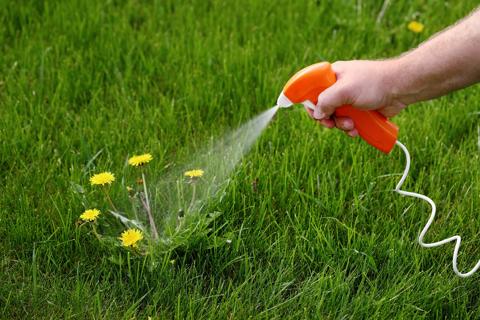
Research on whether glyphosate increases cancer risk is mixed, but you can take steps to limit your exposure

Swimming won’t make you more susceptible to UTIs — or worsen one you already have

Excessive exposure to saltwater can dehydrate skin and hair, despite having a few benefits

A fresh water rinse before and after swimming can go a long way

Bright bathing suit colors can make kids easier to see in pools, lakes and oceans — but color is only one part of water safety

Both strategies work together to impact muscle growth, fat loss and strength gains

Warmer temps, dehydration and increased physical activity can cause kidney stones that formed over the winter to move

Keeping your windows closed, showering before bed and using OTC allergy meds may help keep summer sniffles at bay

Managing your weight through physical activity may lower your chances of getting this common cancer

It typically starts in October and winds down in early spring, with cases at their highest in the middle of winter

Anxiety disorders, health conditions and past trauma can make driving nerve-wracking — help is available
 Search










