Locations:





 Search
Researchers are testing a new immunotherapy for brain cancer
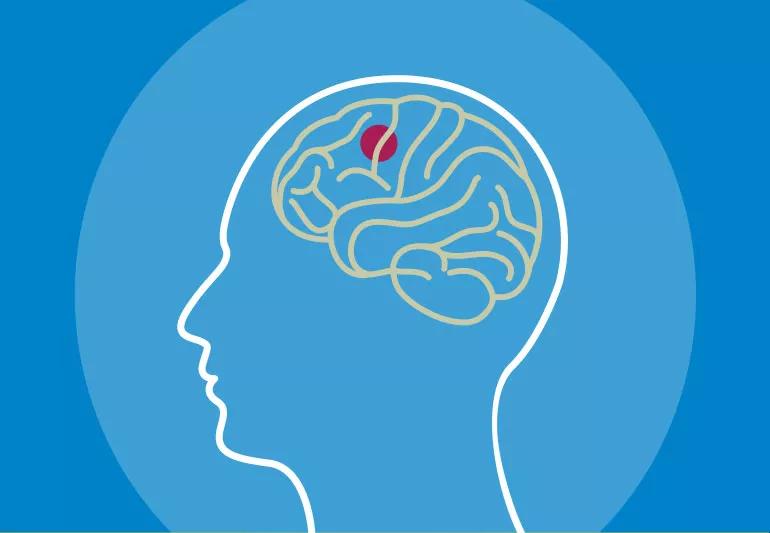
Glioblastoma is the most aggressive form of brain cancer; the average person lives just 15 months after being diagnosed with it.
Advertisement
Cleveland Clinic is a non-profit academic medical center. Advertising on our site helps support our mission. We do not endorse non-Cleveland Clinic products or services. Policy
“Despite improvements in surgery, medical therapies and radiation, outcomes from treatment of glioblastoma still remain dismal,” says neuro-oncologist Manmeet Ahluwalia, MD, Director of the Brain Metastasis Research Program at Cleveland Clinic.
Dr. Ahluwalia is helping lead a clinical trial of a new glioblastoma treatment called SurVaxM. It’s an immunotherapy for brain cancer that works by stimulating a person’s own body to kill tumor cells that contain survivin, a protein that helps those cancer cells resist traditional treatments.
So far, the results are encouraging. Nearly 97% of the 63 patients in the phase 2 clinical trial did not experience tumor progression in the six months following treatment with the vaccine after surgery, chemotherapy and radiation.
Patients are also seeing better overall survival one year after diagnosis with the vaccine than with traditional treatment, Dr. Ahluwalia says.
Next up, the treatment will be tested in a randomized trial in patients newly diagnosed with glioblastoma. “We are eager to see if this vaccine shows similar results in a randomized trial,” he says.
Video content: This video is available to watch online.
View video online (https://cdnapisec.kaltura.com/p/2207941/sp/220794100/playManifest/entryId/1_k6ry7yuz/flavorId/1_5f3sgelj/format/url/protocol/https/a.mp4)
Advertisement

Sign up for our Health Essentials emails for expert guidance on nutrition, fitness, sleep, skin care and more.
Learn more about our editorial process.
Advertisement
Rest assured: Most headaches are not caused by brain tumors

Receiving this diagnosis can be scary, but there are ways to manage symptoms and reduce stress

Allergies, postnasal drip, asthma or reflux could be to blame for a cough that won’t quit

Exerting yourself in cold temperatures increases your risk of a cardiac event

Correct positioning is one of the keys to getting the best results
Act quickly by locating the object, gently removing the debris and flushing your eye

Most oropharyngeal cancers can be traced to a virus that can be shared during oral sex

Track your blood sugar levels and pay attention to any symptoms, like feeling thirstier than normal

Even small moments of time outdoors can help reduce stress, boost mood and restore a sense of calm

A correct prescription helps your eyes see clearly — but as natural changes occur, you may need stronger or different eyeglasses

Both are medical emergencies, but they are very distinct events with different causes











