Locations:





Keep your liver happy with these foods
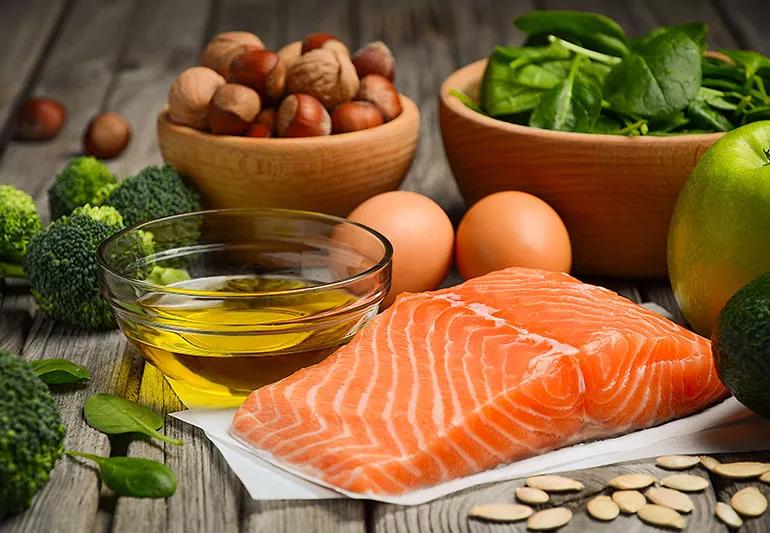
Image content: This image is available to view online.
View image online (https://assets.clevelandclinic.org/transform/1b0d6fac-3d8d-47be-b036-6f64a6c2e433/Food-For-Your-Liver-647644392-770x533-1_jpg)
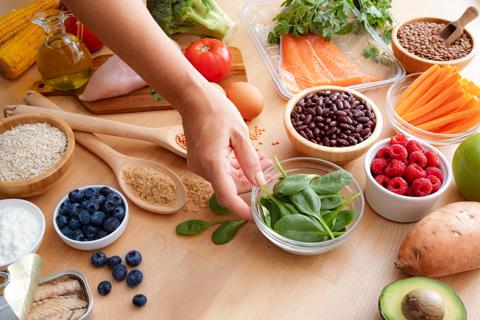
Salmon, eggs, olive oil, nuts and greens
Your liver. You may not realize how much this organ does for you. It handles everything from removing toxins from your blood to promoting digestion and storing vitamins for your body to use later, and more.
Advertisement
Cleveland Clinic is a non-profit academic medical center. Advertising on our site helps support our mission. We do not endorse non-Cleveland Clinic products or services. Policy
It also pretty much takes care of itself. But there are some foods and drinks that can give your hard-working liver a boost and help prevent or fight against certain liver diseases.
“It’s one of the only organs that can regenerate itself,” says liver specialist Christina Lindenmeyer, MD. “If you have an infection or an injury to your liver, it’s possible that if you live a healthy lifestyle and eat the right foods, your liver may be able to heal itself.”
You can maintain a healthy liver by giving it the necessary nutrients it needs. The Mediterranean diet — which focuses on eating a balance of fruits, lean protein and vegetables — is a good regimen to follow for your liver.
Dr. Lindenmeyer explains what foods you can work into your diet if you want to improve your liver function.
That’s right, your daily cup of coffee could be doing more than just getting your morning started. A series of studies found that regular, caffeinated coffee can have a positive impact on people with chronic liver disease.
“There’s a lot of evidence for coffee and liver health and it has a variety of different benefits,” says Dr. Lindenmeyer. “It’s been shown that it can lower your liver enzymes, which suggests that it improves inflammation in your liver.”
Advertisement
It’s even been recommended that people with fatty liver disease should drink three or more cups of coffee a day. If you don’t have health issues with your liver, you may not need to drink that much — but know that your cup of joe may help improve your liver function.
“It’s also important that it’s black coffee,” Dr. Lindenmeyer points out. “It shouldn’t be coffee that you’re loading up with sugar and creamer.”
Good news for non-coffee drinkers: Tea may have similar benefits for your liver, too. A 2016 review found that green tea could help in preventing liver cancer.
While there are some emerging studies being done, more research is still necessary to fully understand the possible benefits of tea for liver health.
One important job your liver does is processing different proteins, fats and carbohydrates for your body to use. This is why you’ll want to include plenty of healthy proteins like fish and chicken into your diet.
“Your liver needs building blocks to make the proteins that are essential for your body’s normal function,” says Dr. Lindenmeyer. “So, eating a sufficient amount of lean protein is important.”
These healthier proteins promote a more balanced diet, while also helping your liver do its important work — which is a win-win!
If you’re avoiding animal products, try some non-meat options like:
Whether you like to eat olives straight out of the jar or olive oil with a squeeze of lemon is your preferred salad dressing, this savory fruit can help boost your liver’s health. Mainly, olives are rich in vitamin E and antioxidants — two things your liver loves.
“Olive oil is very healthy for your liver,” notes Dr. Lindenmeyer. “Olive oil raises your good cholesterol, which is actually protective for your liver against fatty liver disease and also separately good for your heart.”
Nuts can pack a punch when it comes to their nutritional value. Not only do they have a good amount of healthy cholesterol, but they’re also high in vitamin E, which has been proven to help people with fatty liver disease.
“Nuts are also very high in protein,” adds Dr. Lindenmeyer. “If you have advanced liver disease or are struggling with muscle loss related to your liver problems, it can be helpful to eat a gram of protein (or more) for each kilogram of your body weight each day.” For example, if you weigh around 150 pounds, you should aim for 68 grams of protein daily.
Try working these nuts into your salads or daily meals:
Advertisement
There are more than enough reasons to add greens to your diet. As your liver is in charge of controlled blood clot formation in the body, vitamin K is a crucial nutrient that assists your liver with this role.
“Vitamin K can be important for your liver function to make sure that you have the right materials to make your clotting factors,” explains Dr. Lindenmeyer. “Things like leafy greens and spinach are high in vitamin K and can be a benefit.”
These greens also have glutathione, which Dr. Lindenmeyer adds is a healthy antioxidant that can be helpful for your liver as well.
Try leafy vegetables in your diet like:
Including antioxidants in your diet is something that your liver (and other parts of your body) will thank you for.
“Antioxidants are compounds that protect and reduce the effects of inflammation on the liver,” says Dr. Lindenmeyer. “There’s a lot of anti-inflammatory antioxidants in fruits like blueberries.”
While more research is still necessary, a series of animal studies have suggested that cranberries and blueberries could improve liver health, too.
There are many benefits to an honest bowl of oatmeal. Mostly because it gives you that healthy boost of fiber. Dr. Lindenmeyer explains that if you’re someone with a history of chronic liver disease, it’s important to make sure you’re having regular bowel movements and avoiding constipation.
Advertisement
“If you get too constipated, you can build up toxins that are normally removed from the body with bowel movements,” she says.
In addition, a study from 2017 suggests that as oats and oatmeal are high in soluble fibers called beta-glucans, they may also help prevent obesity and inflammation.
If you’re looking to add more oatmeal to your diet, try adding steel-cut oats or whole-grain oats to your grocery cart instead of instant oatmeal. This way, you’re in control of any added sugars in your diet.
In general, your liver is a fairly self-sufficient organ. But as it plays a lot of important roles in your body, it can be helpful to keep up with a balanced diet. But be sure to talk to your healthcare provider about any dietary restrictions or health concerns before starting a new diet.
Advertisement

Sign up for our Health Essentials emails for expert guidance on nutrition, fitness, sleep, skin care and more.
Learn more about our editorial process.
Advertisement
Liver failure boosts your risk of liver cancer
Your skeleton has a lot of moving parts, jobs and abilities!
They’re usually a sign of a common illness, like a cold or the flu, but they can occasionally signify certain types of cancer
Diet, exercise and medications can help slow this chronic, progressive liver disease
They claim to boost energy and improve longevity, but there’s currently not enough research to confirm these benefits

Maintaining a healthy weight, focusing on exercise and eating a well-balanced diet can improve your overall metabolic health

Stay on top of your care with regular check-ups, routine tests and healthy habits

Your doctor may use bloodwork and an ultrasound to determine your diagnosis

Managing your weight through physical activity may lower your chances of getting this common cancer

It typically starts in October and winds down in early spring, with cases at their highest in the middle of winter

Anxiety disorders, health conditions and past trauma can make driving nerve-wracking — help is available
 Search










