Locations:





From whitening to sensitivity toothpastes, the best choice depends on your dental needs — but fluoride should always be part of the equation
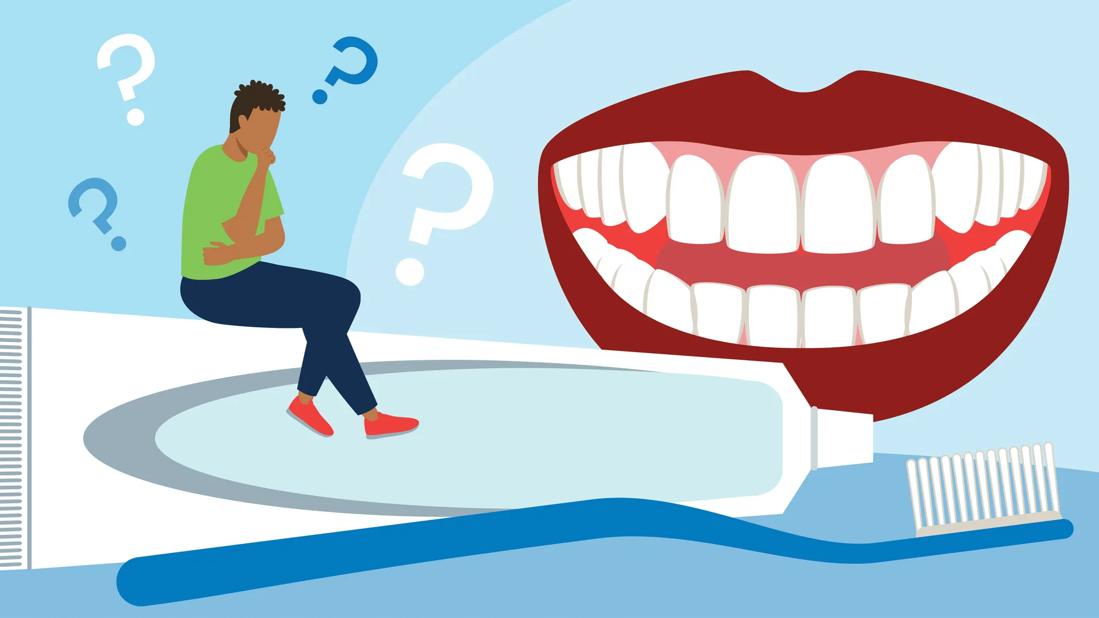
Image content: This image is available to view online.
View image online (https://assets.clevelandclinic.org/transform/46b51012-2941-40be-b491-e672564e0a91/person-sitting-on-toothpaste-tube-1360427703)
Person sitting on oversized tube of toothpase, with oversized mouth and toothbrush, wondering about dental health
Stand in the toothpaste aisle for more than a few seconds, and you’ll quickly realize you have options. Lots of them.
Advertisement
Cleveland Clinic is a non-profit academic medical center. Advertising on our site helps support our mission. We do not endorse non-Cleveland Clinic products or services. Policy
There are toothpastes for whitening, tartar control, sensitive teeth, gum health and more. All promise healthier teeth and a brighter smile. But how do you know which belongs in your cabinet?
“The most important thing to look for in a toothpaste is fluoride,” says registered dental hygienist Tenika Patterson, RDH. “Beyond that, choose a formula that addresses your specific oral health needs.”
Most toothpastes fall into a handful of categories. While they all help clean your teeth, some are designed to target specific concerns. Patterson walks us through the options.
If there’s one ingredient dental professionals want you to look for, it’s fluoride.
“Fluoride is extremely important in toothpaste,” Patterson states. “It strengthens enamel and helps prevent cavities.”
Fluoride helps to:
For best protection, Patterson recommends choosing a toothpaste with fluoride and the American Dental Association (ADA) Seal of Acceptance. The seal indicates that the product has been evaluated for safety and effectiveness.
Whitening toothpaste can help brighten your smile.
How do they work?
Advertisement
But whitening toothpastes have their limits: Some can make your teeth more sensitive the longer you use them. And your results may vary.
“Whitening toothpastes don’t change your natural tooth shade,” Patterson explains. “Instead, they brighten your smile by removing surface stains from daily habits, like drinking coffee or tea.”
The results are usually subtle and gradual. If you’re looking for a more dramatic tooth whitening, you may benefit from other DIY whitening products or a professional whitening treatment.
If cold drinks, hot coffee or sweet foods make you wince, choosing a toothpaste designed for sensitive teeth may help.
“Sensitivity toothpaste works in two primary ways,” Patterson says. “They numb the tooth’s nerves or plug microscopic holes in the teeth that lead to those nerves.”
Over-the-counter \(OTC) sensitivity toothpastes are often an effective first step. But don’t expect permanent results.
“You need to use it every time you brush,” she clarifies. “If you stop using it, the protective effects can fade and your sensitivity may return.”
If OTC sensitive toothpaste isn’t doing the trick, talk with a dental health provider about prescription-strength options.
Plaque is the sticky film of bacteria that forms on your teeth during the night and throughout the day. When plaque hardens, it becomes tartar.
No toothpaste can remove tartar. You need a professional cleaning for that. But tartar-control toothpaste can help keep plaque from hardening into tartar. Look for ingredients like pyrophosphates and zinc citrate to do the job.
Some toothpastes are formulated to help reduce gingivitis (early gum disease) and support healthier gums.
These products often contain stannous fluoride, which helps fight bacteria linked to gum disease while also providing cavity protection.
“If your gums bleed when you brush or floss, talk with a dental professional about whether a gum-health toothpaste might be helpful as part of your overall oral care routine,” Patterson recommends.
Natural and herbal toothpastes are designed for people who prefer to avoid certain synthetic ingredients.
Instead of ingredients commonly found in conventional toothpastes, these products often use botanical extracts, like neem, peelu, tea tree oil and aloe vera. Many are also free of sodium lauryl sulfate (SLS), which is what makes your toothpaste foam up when you brush.
Advertisement
These products are often designed to focus on natural plaque removal and soothing irritated gums rather than relying on stronger abrasives or synthetic ingredients, Patterson explains.
But it’s important to read labels carefully.
“Many toothpastes marketed as ‘100% natural’ don’t contain fluoride,” she says. “They may also omit artificial preservatives and other ingredients, so many natural toothpastes don’t carry the ADA Seal of Acceptance.”
If you’re considering making the switch, talk with a dental professional first, especially if you have active cavities, gum disease or a history of tooth decay.
Charcoal toothpaste and activated charcoal powder have become trendy in recent years. These products claim to whiten your teeth and “detoxify” your mouth. But charcoal is abrasive, and dental professionals remain skeptical.
“There is little that suggests any benefit to using it,” Patterson cautions. “If anything, charcoal can actually damage the enamel layer of your teeth and lead to increased sensitivity in the long term.”
Because of the potential for enamel damage, charcoal toothpaste isn’t recommended for routine use.
The best toothpaste for you is the one that addresses your specific dental concerns while still providing fluoride protection.
Advertisement
Patterson recommends starting with two basic requirements:
From there, consider your goals:
And remember: Even the best toothpaste is only part of the equation.
“Using a good toothpaste is an essential part of your daily dental care routine,” Patterson reinforces. “But it can only go so far. Keep up with regular brushing, flossing and dental visits.”
Advertisement

Sign up for our Health Essentials emails for expert guidance on nutrition, fitness, sleep, skin care and more.
Learn more about our editorial process.
Advertisement
Expired toothpaste won’t make you sick, but it’s less effective for your dental health

A variety of OTC products and professional treatments can be effective at removing stains on teeth
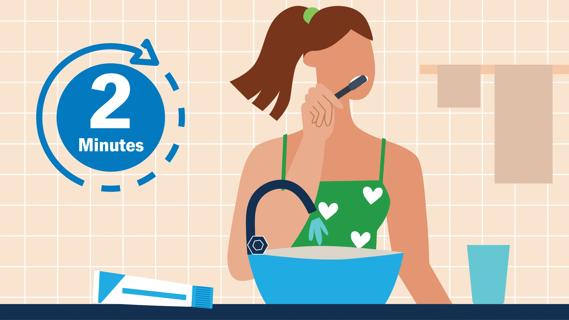
Try to brush for at least two minutes twice a day to keep your teeth healthy
Fluoride has the power to make your teeth stronger
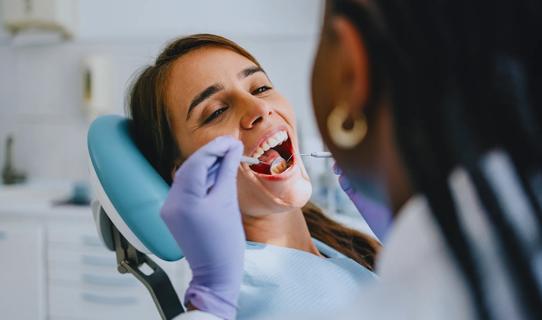
Daily oral hygiene goes a long way to keeping your mouth healthy and your smile bright

You might have a sensitive gag reflex — but gagging while brushing can also be a result of certain medical conditions
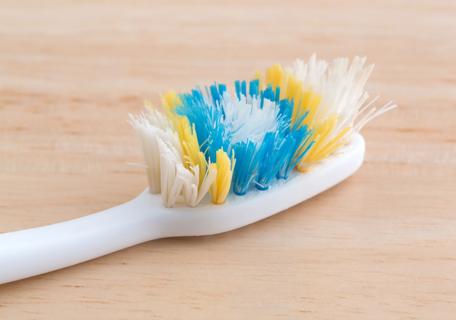
An old, worn toothbrush is a hazard to your teeth and gums and a breeding ground for germs and bacteria — replace it every three to four months at least

Done correctly, daily flossing can help keep your teeth and gums healthy

Rapid weight loss can cause loose skin, facial volume loss and body contour changes

Swallowing too much air, certain foods and drinks, and digestive conditions can all make you belch more
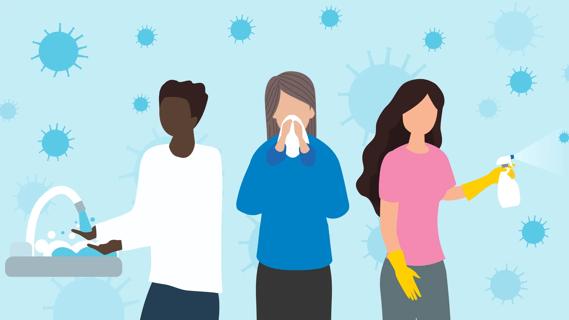
From poor hand hygiene and ventilation issues to contaminated food, many factors can make infectious diseases spread quickly
 Search










