Locations:





Start by selecting someone who’s board-certified and works from an accredited facility
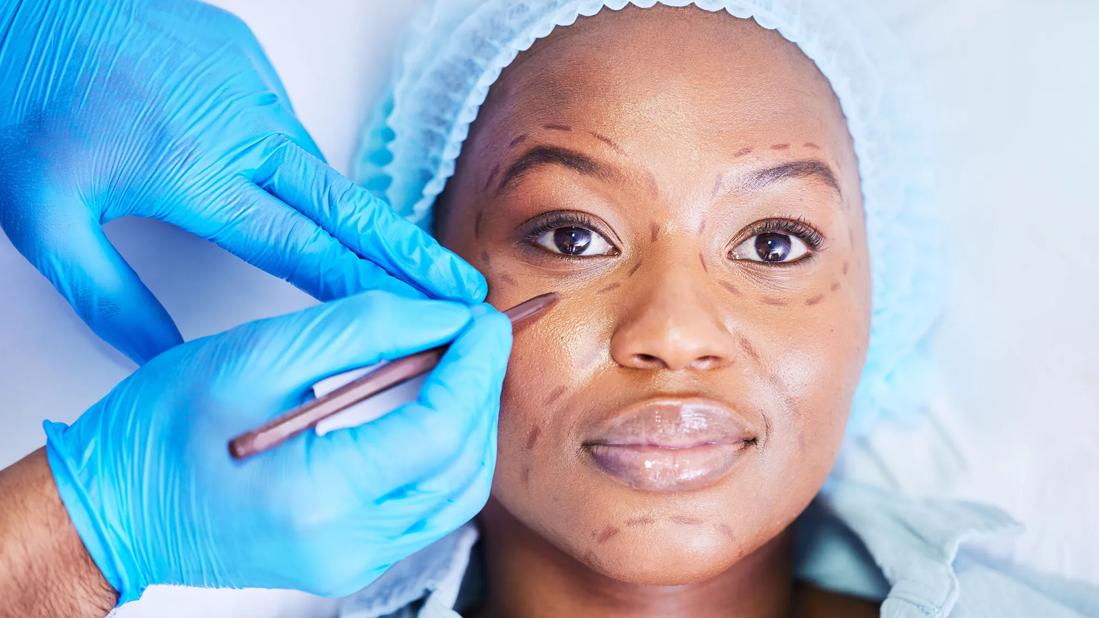
Image content: This image is available to view online.
View image online (https://assets.clevelandclinic.org/transform/0cff24e6-2cf8-421a-9665-d4583799a61f/plastic-surgery-face-1702241029)
Surgical-gloved hands making plastic surgery marks on a person's face
When you need a plastic surgeon — whether for cosmetic or medical purposes — it’s important to do your homework and choose wisely.
Advertisement
Cleveland Clinic is a non-profit academic medical center. Advertising on our site helps support our mission. We do not endorse non-Cleveland Clinic products or services. Policy
The right surgeon may have the skills and experience to deliver safe and responsible care. But on the flip side, choosing the wrong surgeon could leave you with regrets.
Plastic surgeon Martin Newman, MD, shares six things to look for when you’re selecting a plastic surgeon.
When you’re shopping around for a plastic surgeon, look for someone who’s board-certified in plastic surgery by the American Board of Plastic Surgery. This means they have:
“Doing your homework allows you to get the safe and experienced care you deserve,” Dr. Newman says.
Plastic surgery can be performed in an ambulatory care center or a surgical facility. Whichever type your surgeon works out of, their facility should be properly accredited.
“Accreditation ensures that strict standards are met for proper equipment, safety, surgeon credentials and staffing, including nurses and anesthesia providers,” Dr. Newman explains. “When you choose an accredited facility, you’re also choosing to receive the best quality care available.”
Advertisement
That’s because accredited facilities are required to have less than half of 1% of serious complications and an extremely low mortality rate of less than 1 in 57,000.
So, how can you tell whether a facility is accredited? Look for accreditations from:
The American Academy of Plastic Surgeons also offers a consumer guide to help you understand accreditation and what to look for.
Plastic surgeons are medical doctors who should be treating you holistically. Whether you’re having cosmetic surgery or reconstructive surgery, they should consider your medical history.
“If the surgeon isn’t asking you about your medical history, medications and taking that into account when discussing potential treatment options, it should be a red flag that they’re not being thorough,” Dr. Newman cautions.
When you’re looking for a plastic surgeon who’ll be the right fit for you, look for reviews from other people who’ve had the same procedures done at their office in the past.
“The overwhelming number of reviews should be positive, even if one or two poor reviews appear,” Dr. Newman says. “This also helps build your confidence in their work.”
Stop and take a step back if your surgeon starts suggesting procedures you didn’t ask for or procedures with benefits you can’t understand, even after an explanation.
Some procedures complement or enhance others, like cosmetic nose surgery and chin augmentation. But if you’re asking about rhinoplasty and your surgeon starts recommending liposuction of your thighs, you may want to find someone who’ll better listen to and address your needs.
“Ideally, you want to find a surgeon who’ll work with you to define your goals and provide you with realistic expectations for your cosmetic or reconstructive surgery,” Dr. Newman encourages.
If you don’t fully trust or feel comfortable with your plastic surgeon, it’s probably best to look for someone else.
“You should feel a partnership between the two of you,” Dr. Newman emphasizes. “Complications can occur, even in the best of hands. But you should feel assured that, if something unexpected arises, you’re working with someone who has the resources and the integrity to take care of you.”
Ask yourself questions like:
Advertisement
“Whoever you choose for your plastic surgery, you should feel good about them and their abilities,” Dr. Newman reiterates. “You’ll work together to formulate a plan that’s right for you.”
Advertisement

Sign up for our Health Essentials emails for expert guidance on nutrition, fitness, sleep, skin care and more.
Learn more about our editorial process.
Advertisement

The differences are few, but ophthalmologists can perform eye surgeries and more complex procedures

Having a PCP means knowing where to go for a range of concerns — that’s a good thing for your lifelong health

Anyone can call themselves a nutritionist, but dietitians have specialized training

The best way to figure out which kind you need is to first speak with your primary care provider

They practice medicine similarly, but DOs have a focus on the mind, body, spirit connection
The short answer from a primary care specialist

The Short Answer from one of our experts

Your first point of health contact

Managing your weight through physical activity may lower your chances of getting this common cancer

It typically starts in October and winds down in early spring, with cases at their highest in the middle of winter

Anxiety disorders, health conditions and past trauma can make driving nerve-wracking — help is available
 Search










