Locations:





 Search
Some couples should see a doctor sooner than others

Trying to have a baby can bring feelings of joy and anticipation about expanding your family. But when conception doesn’t happen right away, it’s easy to start worrying about infertility.
Advertisement
Cleveland Clinic is a non-profit academic medical center. Advertising on our site helps support our mission. We do not endorse non-Cleveland Clinic products or services. Policy
“By definition, infertility is failure to conceive after one year of unprotected intercourse,” says infertility specialist Jeffrey M. Goldberg, MD. “If pregnancy hasn’t been achieved in one year, it’s time to consult an infertility specialist.”
Infertility affects about 15% (1 in every 6 or 7) of reproductive age couples.
While most couples should consult a doctor after a year of trying, Dr. Goldberg says some should see an infertility specialist sooner. Women who are 35 or older should be evaluated after trying for only six months since age-related decline in fertility is more rapid in the mid to late 30s and 40s. While a fertile 30-year-old woman has about a 20% chance of getting pregnant during each cycle, by age 40 those chances have dropped to about 5%.
Others who should see a doctor sooner than a year are:
Advertisement
Although not an infertility problem, women who have had two or more miscarriages should also seek help.
Since infertility involves two patients, finding a potential cause(s) requires tests for both partners. These may include:
The infertility specialist uses these findings to recommend a path toward conception, which may include:
Your doctor can help you decide the best way to proceed with your plan to have a baby.
Advertisement
Learn more about our editorial process.
Advertisement
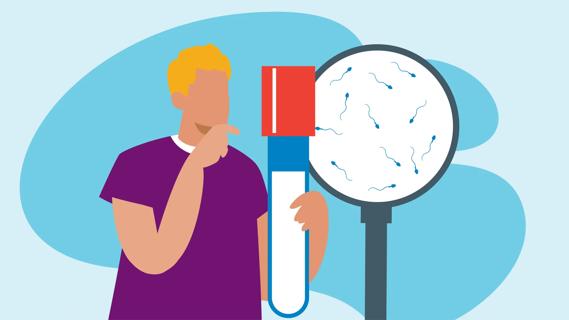
These consumer-friendly devices can’t assess male fertility nearly as well as a fertility specialist can

Oocyte cryopreservation is a proven way to extend your fertility options for the future

These step-by-step instructions will help you perform self-injections like a pro

Various prescription medications and recreational drugs can have an impact
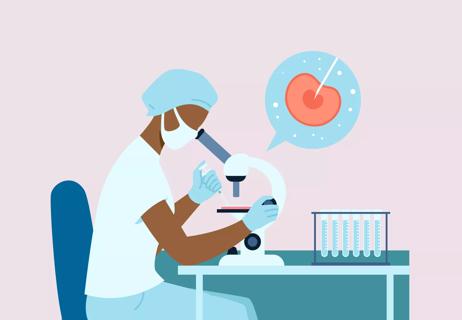
Here’s a helpful starting point as your infertility journey begins

Common causes and when to seek help

Most antihistamines, like Zyrtec, are OK, but avoid decongestants for at least the first trimester

When you’re living with this chronic condition, early diagnosis and treatment can improve your chances of getting pregnant down the road

The tropical fruit is a good source of antioxidants and vitamin C

Most people fall asleep within 10 to 20 minutes, but if your experience is different, adjusting your sleep schedule may help

Exploring your hidden side can lead to better understanding of what makes you tick











