Locations:





 Search
A few simple steps — including a well-placed pinch on your nose — can help the healing
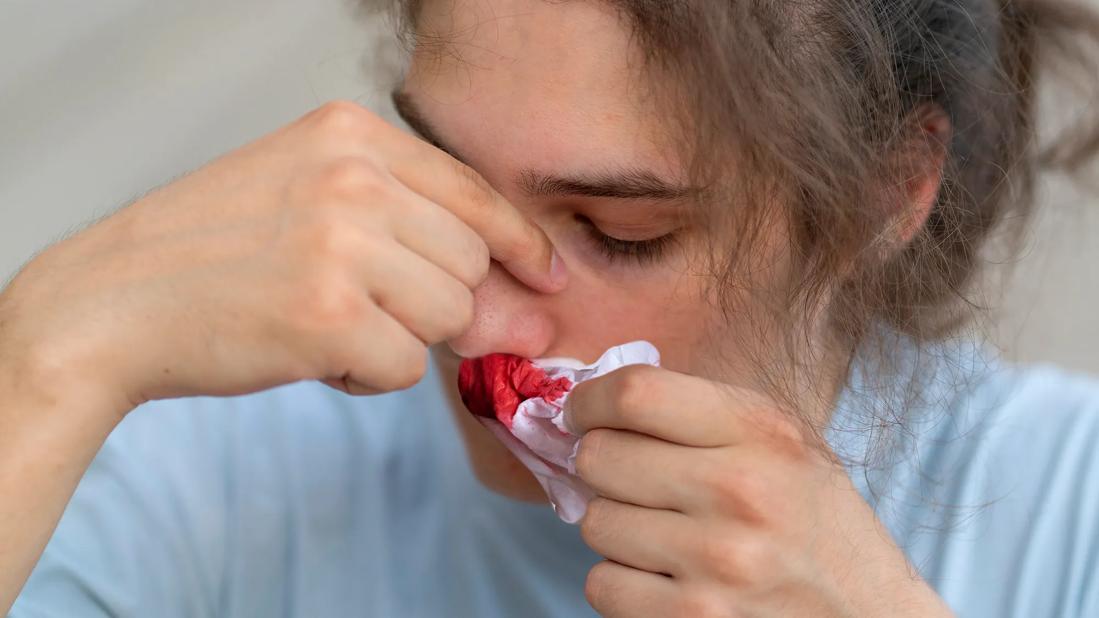
Image content: This image is available to view online.
View image online (https://assets.clevelandclinic.org/transform/8886075f-096e-4a89-9979-077f026433bd/nosebleed-pinch-nose-1790054625-r)
Person with bloody tissue up against their nostril, pinching their nose to stop a nosebleed
A nosebleed has a way of turning any moment into what can feel like a personal crisis. The situation usually looks worse than it is — but when it’s your own nose, it can feel surprisingly urgent.
Advertisement
Cleveland Clinic is a non-profit academic medical center. Advertising on our site helps support our mission. We do not endorse non-Cleveland Clinic products or services. Policy
The good news is that stopping a nosebleed is pretty simple once you know what to do. We asked otolaryngologist (ear, nose and throat specialist) Mohamad Chaaban, MD, to walk us through the dos and don’ts.
Nosebleeds (also known as epistaxis) are fairly common, with 60% of the population experiencing one at some point. They happen when the tissue within the lining of your nose starts to bleed.
A nosebleed typically starts when the tiny blood vessels within your nose become irritated or dry. But a variety of other factors — ranging from injuries and allergies to medications — could get blood flowing, too.
“A nosebleed can start for all sorts of reasons,” says Dr. Chaaban. “But whatever the cause, there’s a basic approach to take to make it stop.”
Here are five basic steps to stop a nosebleed.
Bleeding can make anyone squirmy, but try to stay calm. The more you panic, the longer it may take for the bleeding to stop, says Dr. Chaaban. Heightened stress can increase your blood pressure, which can cause blood vessels to dilate more and worsen bleeding.
So, take a deep breath and try to relax. (The same advice holds if you’re helping someone else deal with their nosebleed. If you seem calm, others are more likely to follow suit.)
Advertisement
Your positioning can help control your nosebleed and where the blood goes.
Sitting upright reduces pressure on the blood vessels in your nose to slow the flow of blood. Leaning slightly forward sends the blood out through your nostrils instead of back toward your throat.
“This can help prevent coughing, gagging or nausea from swallowed blood,” says Dr. Chaaban. “You’d rather have the blood drip out than go down your throat.”
You know how pinching a hose stops or slows the flow of water? The same principle applies to a nosebleed.
Gently pinching the soft part of your nose compresses blood vessels in the front part of your nasal septum, giving them a chance to clot and seal. This area is rich with blood vessels and is the usual source of nosebleeds.
It’s important to pinch the soft lower part of the nose, not the bony bridge. Press that fleshy area against the middle part of your nose, or the septum.
“It’ll feel like you’re pinching your nose shut,” Dr. Chaaban explains.
Get comfortable as you pinch your nose because you’re going to be doing it for a while.
That gentle squeeze should continue for 10 to 15 minutes, recommends Dr. Chaaban. That’s usually enough time for the blood vessels to close and stop leaking. (It may take longer if you’re on a blood thinner.)
It’s important to maintain steady pressure the entire time, even if you feel like the bleeding has stopped. Set a timer to make sure you go long enough.
“You need that time to allow your body to do its repair work,” he adds. “The goal is not just to slow the bleeding, but to give it a real chance to stop. Holding pressure for the full 10 to 15 minutes makes that more likely.”
If you’re still bleeding, try pinching your nose for another 10 to 15 minutes.
Once the bleeding stops, a little “chill” time may help with the healing.
Applying a cold compress to your nose narrows blood vessels in the area, which may reduce bleeding and swelling, says Dr. Chaaban. It can ease pain if you’ve been hit in the nose, too.
Try to avoid doing the following while you’re dealing with a nosebleed and after you’ve got the bleeding under control.
Advertisement
While the steps outlined will stop the vast majority of nosebleeds, some aren’t resolved that easily. This is particularly true if the bleeding is coming from larger blood vessels in the back of your nose.
Dr. Chaaban advises seeking immediate medical attention if:
But overall, nosebleeds usually resolve quickly and aren’t a reason to panic.
“Most nosebleeds look more alarming than they really are, and many will stop on their own with a little time,” reinforces Dr. Chaaban. “But if it’s more than that, or if you get nosebleeds frequently, it’s a good idea to see your healthcare provider.”
Advertisement

Sign up for our Health Essentials emails for expert guidance on nutrition, fitness, sleep, skin care and more.
Learn more about our editorial process.
Advertisement

Correct positioning is one of the keys to getting the best results

If your nose is constantly running, it could be allergies, chronic sinusitis, nasal polyps or other concerns
Allergies, indigestion and the effects of gravity can all mess with your nose at night

Dry air, allergies or nose-picking may be to blame for nighttime epistaxis

Take care of your runny or stuffy nose by staying hydrated, using a humidifier and considering a medication

Allergies, acid reflux and even pregnancy can increase drainage and upset your stomach
Seek help if bleeding doesn’t stop or they’re interfering with your life

It’s usually the way your nose manages airflow, but sometimes, it could be other issues

Skin cancer can sometimes itch, but it’s not usually the most common symptom — a persistent itch still warrants a visit to a healthcare provider
The first symptoms of schizophrenia can be subtle, but recognizing them may help you get treatment sooner
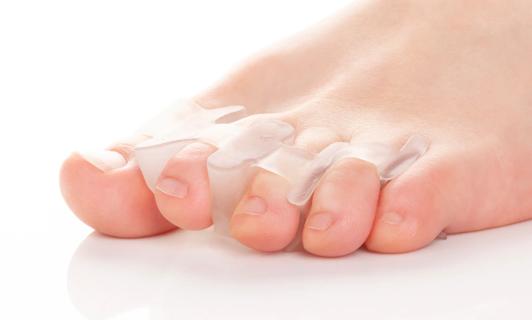
Toe separators can help create space between crowded toes, but they’re not a permanent fix











