Locations:





Options like almond, oat and coconut flours offer a decent amount of protein and fiber
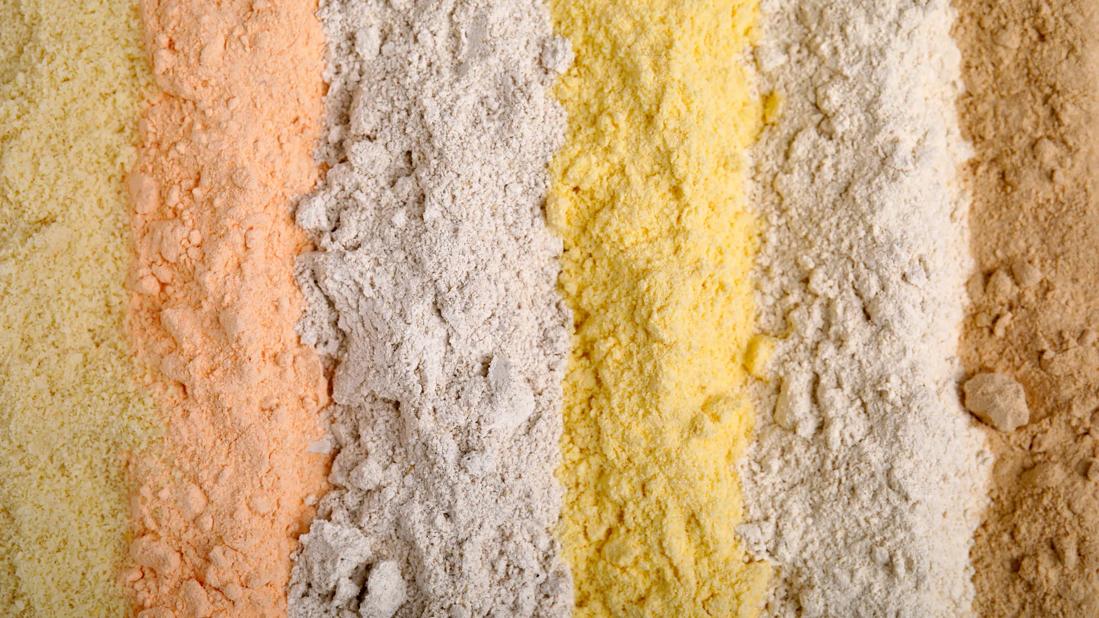
Image content: This image is available to view online.
View image online (https://assets.clevelandclinic.org/transform/4fcb8cac-ed1f-4ad6-a930-e39183795bc3/flour-varieties-1735994383)
Different types of flour poured out in rows
Most of us know that refined white flour isn’t good for us. The white, fluffy powder offers our bodies little nutritional benefits. And the blood sugar spike that it’s known for? No, thank you.
Advertisement
Cleveland Clinic is a non-profit academic medical center. Advertising on our site helps support our mission. We do not endorse non-Cleveland Clinic products or services. Policy
“White flour is limited in nutritional value, containing small amounts of fiber, protein or healthy fat for the calories it supplies,” says registered dietitian Elyse Homan, MS, RD, LD. “Alternative flours can be a great way to create healthy recipes and add nutrients to your favorite dishes.”
In a world crazed with healthy alternatives and swaps, you may wonder if there’s one flour that’s considered the healthiest flour?
Homan provides a deeper look at some of the most nutrient-dense flours out there.
Made from peeled and finely ground almonds, this type of flour is known to increase the feeling of fullness, helping you feel more satisfied. It’s also high in protein, healthy fats and fiber and reduces glycemic (blood sugar) impact after a meal or snack.
A 1/2 cup of almond flour contains:
Almond flour is a heart-healthy option that’s suitable for grain-free, low-carb, paleo and keto diets. And you can substitute almond flour for an equal amount of all-purpose flour in recipes.
This option of flour is made from — you guessed it — dried and ground-up coconuts. It’s packed with fiber and healthy fats and contains digestible carbohydrates.
Advertisement
But keep in mind that when it’s used in recipes, it may require more moisture — and it’s not a straight one-for-one substitute for white flour. For most recipes, it’s recommended that you use another flour and only substitute a quarter amount for coconut flour.
A 1/2 cup of coconut flour contains:
Coconut flour is suitable for grain-free, paleo and keto diets. It’s also a great alternative to almond flour for those with nut allergies.
This substitute is simple, as it’s made from ground-up rolled oats. It can be purchased or made inexpensively at home with a food processor or blender. It’s also high in fiber and protein compared to all-purpose wheat flour.
A 1/2 cup of oat flour contains:
Oat flour is fitting for gluten-free diets when prepared with gluten-free rolled oats. It’s suggested that you can replace up to 20% of all-purpose flour in recipes with oat flour.
With this whole-grain flour, the tiny seeds are ground into a fine powder. Quinoa flour, which is gluten-free, is high in protein, fiber, unsaturated fats and iron.
A 1/2 cup of quinoa flour contains:
Quinoa flour is also a good substitute for baked goods, as it tends to result in a tender and moist texture. In most recipes, it’s best to substitute quinoa flour for half the amount of all-purpose flour.
Made of ground buckwheat seeds, this gluten-free flour has a nutty flavor. And it contains a decent amount of fiber and protein, as well as B vitamins.
A 1/2 cup of buckwheat flour contains:
It’s important to know that you can’t totally replace buckwheat flour in recipes that call for all-purpose flour. It’s recommended that you use it in combination with other flours and only sub out about a quarter of the amount for buckwheat flour.
Whole-wheat flour tends to be a healthier option than all-purpose flour (which removes the bran and germ from wheat kernels).
You’ll find a good amount of protein and fiber in whole-wheat flour. And while there are gluten-free options when it comes to flour, note that whole-wheat flour does contain gluten. If you have celiac disease or a gluten intolerance or sensitivity, you should avoid recipes with whole-wheat flour.
Advertisement
A 1/2 cup of whole wheat flour contains:
In most cases, you can substitute whole-wheat flour for the equal amount of all-purpose flour in recipes. Keep in mind that whole-wheat flour tends to result in a denser bake.
Made from chickpeas (or garbanzo beans), this kind of flour boasts a decent amount of protein and fiber — and it typically has fewer calories than other healthy alternatives.
A 1/2 cup of chickpea flour contains:
You can substitute about half of the flour in a recipe for chickpea flour. You may also prefer to use chickpea flour as a binder in breads, muffins and fritters rather than recipes that have a sweeter taste.
Typically made from a mix of gluten-free grain and legumes (beans and peas), this type of flour is higher in protein compared to all-purpose wheat flours. It can also be used cup-for-cup in most recipes calling for traditional flour, but be sure to read the labels for product variations.
The nutritional makeup of gluten-free all-purpose flour depends on the brand and how much of each ingredient is used. This type of flour is a good option for those following a gluten-free diet.
Advertisement
All-purpose flour is everywhere, and it can be easy to get confused about how to substitute it for alternative, healthier options. Which all-purpose flour replacements are a one-to-one substitution? Which ones need adjustments to help with density and moisture?
Homan says not to be afraid of experimenting — there are many options available at your grocery store or online. Many products will have recipe ideas and tips for how to bake with them, too.
“These alternatives are a wonderful way to enjoy your favorite baked goods while adding a boost of nutrients,” encourages Homan. “One of my favorite ways to use these healthy flours is a fresh batch of muffins that I can pair with a protein shake or eggs for a quick and delicious breakfast that keeps me full until lunch.”
Advertisement

Sign up for our Health Essentials emails for expert guidance on nutrition, fitness, sleep, skin care and more.
Learn more about our editorial process.
Advertisement

This East Asian and subtropical fruit is packed with delicious nutrition
Lean meats, fish, dairy and plant proteins can help you meet your protein needs without piling on saturated fat and sugar
Choosing snacks with protein can help curb hunger, support muscle health and keep your energy steady between meals

Fish packs plenty of protein, heart-healthy fats and other body-boosting nutrients into every bite

Both are healthy choices, but wild-caught salmon offers a few more benefits
These bright berries are packed with nutrients and antioxidants that may support your eyes, immune system and overall well-being

The general rule is 1.2 to 1.6 grams of protein per kilogram of body weight — but that may not be exactly right for you
Prepping ingredients ahead of time, rethinking your snacks and making smart protein swaps can up your daily intake

Hormonal changes, a slower metabolism and muscle loss can make weight gain more common around menopause — healthy habits can help you manage it

Life-threatening complications include sepsis, stroke, pneumonia and more

Fruity-smelling breath can happen when your body burns fat for energy, and in some cases, can signal a medical emergency
 Search










