Locations:





A whole grain, sorghum is chock-full of antioxidants and nutrients that boost energy, support a healthy immune system and more
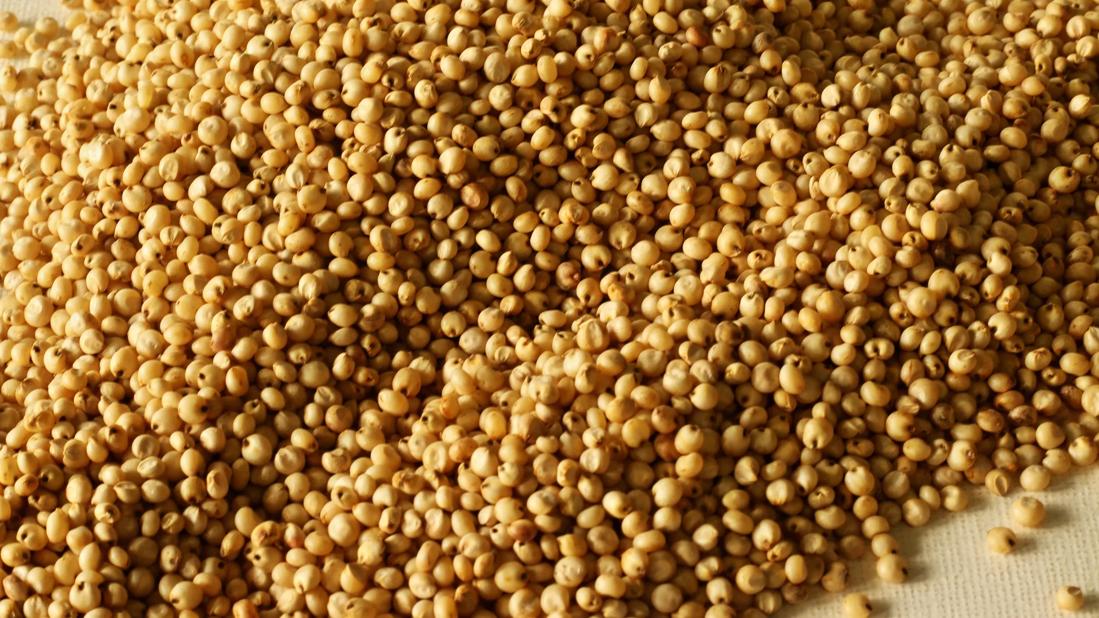
Image content: This image is available to view online.
View image online (https://assets.clevelandclinic.org/transform/3abcaeef-d722-46c9-8b1b-064d04a69056/sorghum-millet-1337918159)
Pile of whole-grain sorghum
Sorghum might not be as well-known as other whole grains, but people around the world have been growing and enjoying this ancient grain for thousands of years.
Advertisement
Cleveland Clinic is a non-profit academic medical center. Advertising on our site helps support our mission. We do not endorse non-Cleveland Clinic products or services. Policy
Sorghum originates from Africa. But the United States now grows more sorghum than any other country. There’s a good reason for this popularity: Sorghum health benefits are plentiful.
Registered dietitian Julia Zumpano, RD, LD, shares why you should give this whole grain a try.
Sorghum is a cereal grain, the edible seed (grain) of a grass plant. It’s the fifth-most produced cereal grain in the world after rice, wheat, corn and barley.
Sorghum grains tend to be small, round and white (or light yellow). But there are also black, brown, purple and red sorghum varieties.
There are different types of sorghum:
Advertisement
Two-thirds of a cup (100 grams) of uncooked whole-grain sorghum has approximately:
The same amount of sorghum also provides these nutrients:
A gluten-free grain, sorghum is rich in antioxidants, nutrients, protein and fiber. It’s also naturally cholesterol-free and low-fat. Here’s a look at sorghum’s health benefits:
Sorghum is rich in polyphenols. These and other antioxidants in sorghum help reduce cell damage, oxidative stress and inflammation caused by free radicals. In one study, participants who ate pasta made with red whole-grain sorghum flour had higher antioxidant levels and less oxidative stress.
But pasta made with white whole-grain sorghum flour didn’t have the same effects. Dark-colored sorghum grains get their coloring from anthocyanins. This plant compound or flavonoid has antioxidant properties.
Studies suggest that foods with antioxidants can reduce the risk of diseases, such as:
Sorghum is a good source of soluble and insoluble fiber. High-fiber foods help fill you up and stave off hunger pains.
“Fiber can help you lose weight and keep it off,” notes Zumpano.
A study found that participants with obesity who ate one-third cup of sorghum daily for eight weeks lost more body fat than those who ate wheat. In a different study, participants who ate biscuits made with sorghum flour (versus wheat) felt fuller. They also experienced a drop in hunger-inducing hormones and an increase in appetite-suppressing hormones.
High-fiber foods also:
A serving of whole-grain sorghum provides about a whopping 10 grams of plant-based protein, twice the protein as quinoa. It’s also higher in protein than an ounce of beef or chicken.
Your body needs protein, a macronutrient, to build healthy muscles, organs and tissues. Sorghum’s high-protein content makes it a great choice for people who follow plant-based diets, including vegetarian and vegan meal plans.
Advertisement
Similar to fiber, protein keeps you feeling full longer because it takes longer to digest. As a high-protein, high-fiber food, sorghum may promote weight loss.
Sorghum is one of the best sources of B vitamins. These micronutrients are natural energy boosters. They change carbohydrates from foods into fuel.
“Your body can’t store these water-soluble vitamins, so it’s important to get the recommended amount each day,” Zumpano recommends.
A two-thirds cup of whole-grain sorghum provides a significant amount of:
Whole-grain sorghum is rich in minerals that support a host of body functions. A two-thirds cup of whole-grain sorghum nets you much of your recommended daily amount of:
Advertisement
Because sorghum is a grass plant, people with pollen allergies may have an allergic reaction. A sorghum allergy is an uncommon food intolerance or allergy. People from Asian countries who eat a lot of sorghum are most at risk.
An allergic reaction to sorghum can cause:
Whole-grain sorghum has a firm texture and mild, nutty, sweet flavor. Pearled sorghum is softer. You can cook sorghum grains on the stove or in a rice cooker or oven just as you would other whole grains.
Unlike rice and similar grains, sorghum keeps its taste and texture when you freeze and reheat it.
“You can easily make a big batch of sorghum with different broths and spices and freeze it for easier meal preparation in the future,” says Zumpano.
Advertisement

Sign up for our Health Essentials emails for expert guidance on nutrition, fitness, sleep, skin care and more.
Learn more about our editorial process.
Advertisement
This East Asian and subtropical fruit is packed with delicious nutrition
Lean meats, fish, dairy and plant proteins can help you meet your protein needs without piling on saturated fat and sugar

Choosing snacks with protein can help curb hunger, support muscle health and keep your energy steady between meals

Fish packs plenty of protein, heart-healthy fats and other body-boosting nutrients into every bite

Both are healthy choices, but wild-caught salmon offers a few more benefits
These bright berries are packed with nutrients and antioxidants that may support your eyes, immune system and overall well-being

The general rule is 1.2 to 1.6 grams of protein per kilogram of body weight — but that may not be exactly right for you
Prepping ingredients ahead of time, rethinking your snacks and making smart protein swaps can up your daily intake

Hormonal changes, a slower metabolism and muscle loss can make weight gain more common around menopause — healthy habits can help you manage it

Life-threatening complications include sepsis, stroke, pneumonia and more

Fruity-smelling breath can happen when your body burns fat for energy, and in some cases, can signal a medical emergency
 Search










