Locations:





This medication only works well for short periods of time and when paired with other treatments
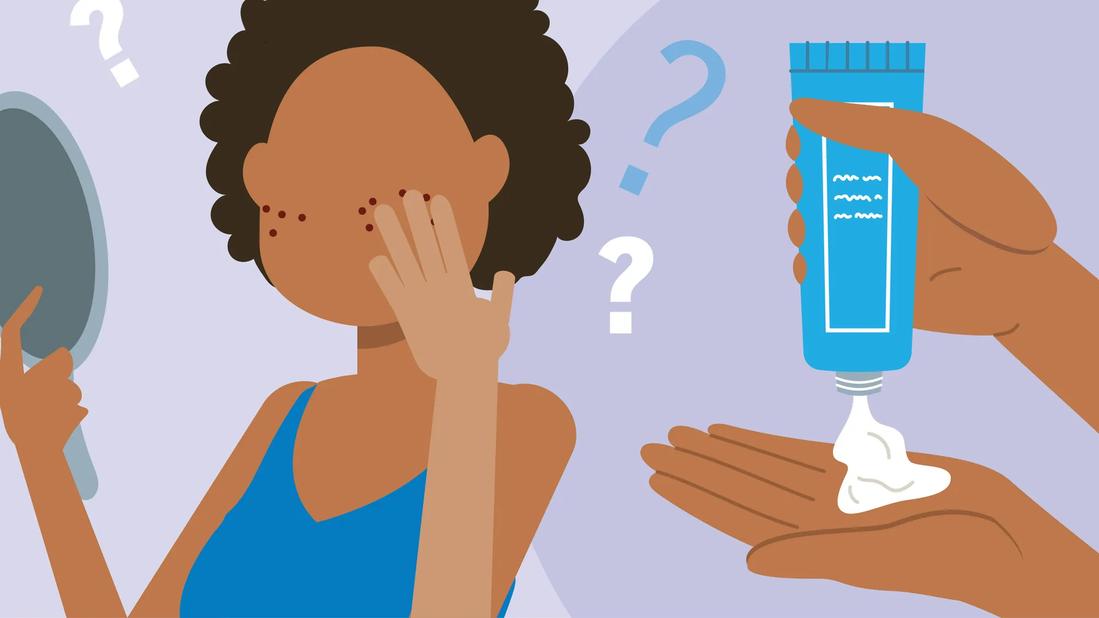
Image content: This image is available to view online.
View image online (https://assets.clevelandclinic.org/transform/6ce31a8f-281e-4ae5-accc-75209b164e0c/look-face-mirror-acne-1368362032)
Person checking acne on face in mirror, wondering which acne creams to use
Available over the counter in pill form and in creams and lotions, hydrocortisone is a medication that’s easily accessible in low doses. But is it safe to use as an acne treatment?
Advertisement
Cleveland Clinic is a non-profit academic medical center. Advertising on our site helps support our mission. We do not endorse non-Cleveland Clinic products or services. Policy
Dermatologist Jonathan Braue, MD, explains why people think hydrocortisone is a popular go-to solution for acne, and why you may want to try something else.
Hydrocortisone works in a few different ways. When it comes to your skin, it’s often used in a cream or lotion to calm your body’s immune system. By blocking your body’s inflammatory response, it helps reduce:
“It’s most commonly used for eczema, psoriasis and other types of inflammatory dermatitis on the face,” says Dr. Braue. “But acne involves a very chronic type of inflammation that requires constant treatment, and hydrocortisone is often not enough to get the job done.”
As a treatment for acne, hydrocortisone works best when it’s used for a short period of time and paired with other acne treatments, like:
“Hydrocortisone only suppresses part of the inflammation and it won’t treat the acne long term,” explains Dr. Braue. “Instead, it’s going to put a bandage on it to allow the other treatments to catch up and start managing the acne a little better.”
Hydrocortisone can also be used to treat severe flares of inflammatory acne or if you have acneiform (acne-like) eruptions in response to certain chemotherapies.
Advertisement
“A lot of drug-induced acne is very itchy, so hydrocortisone is an effective short-term treatment in those situations,” he adds. “If you have a really deep inflammatory cyst that’s not improving, we could inject a cousin of hydrocortisone called triamcinolone to bring that flare down, too.”
If you have a bacterial infection on your skin, hydrocortisone can interfere with and suppress your body’s ability to fight it off. Using hydrocortisone can also lead to several side effects if you overuse it, including:
“Hydrocortisone only shuts down maybe one of four different mechanisms within acne,” clarifies Dr. Braue. “When you stop using hydrocortisone and pull it back, you can get a rebound effect where your symptoms return because all those other components are still there.”
While hydrocortisone may provide momentary relief, he emphasizes that it should never be used to treat acne by itself unless recommended by a healthcare provider.
“You should talk with your dermatologist before using a topical steroid like hydrocortisone for acne because it’s only a brief answer to the problem,” Dr. Braue states. “There are safer things to try over the counter and with the direction of your healthcare provider.”
Advertisement

Sign up for our Health Essentials emails for expert guidance on nutrition, fitness, sleep, skin care and more.
Learn more about our editorial process.
Advertisement
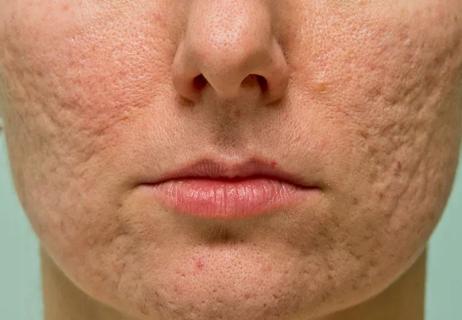
Achieve clearer skin with chemical peels, dermabrasion, fillers and laser resurfacing

Antibiotics should be used for short periods alongside other treatments to help with inflammation
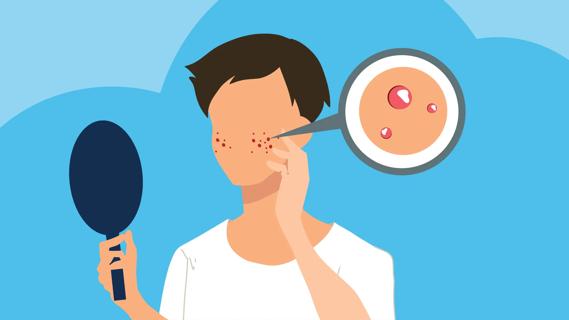
It’s best to avoid picking at zits, which can damage your skin (though there are ways to minimize the risk)
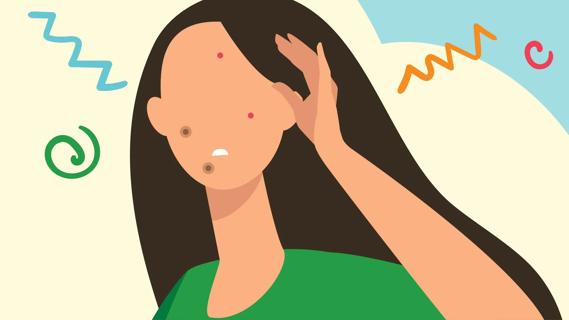
‘Zit stickers’ can help heal a new or popped pimple, but they’re limited when it comes to managing acne
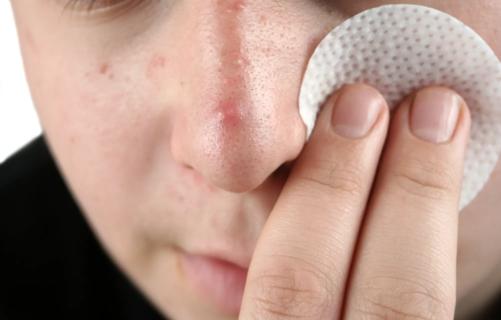
Try exfoliating and using salicylic acid to treat this pesky skin care issue
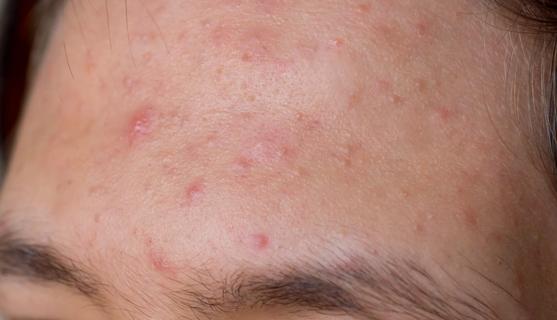
Wear light, breathable clothing, shower after you exercise and change your sheets regularly
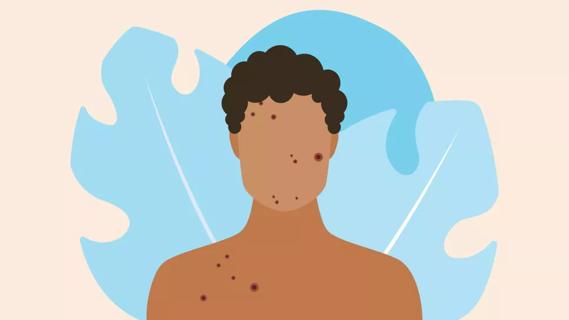
As you age, hormones can continue to play a big role in breakouts

Some remedies might help banish breakouts, but others are best avoided

Managing your weight through physical activity may lower your chances of getting this common cancer

It typically starts in October and winds down in early spring, with cases at their highest in the middle of winter

Anxiety disorders, health conditions and past trauma can make driving nerve-wracking — help is available
 Search










