Locations:





This prebiotic is found in a lot of foods that you probably already eat
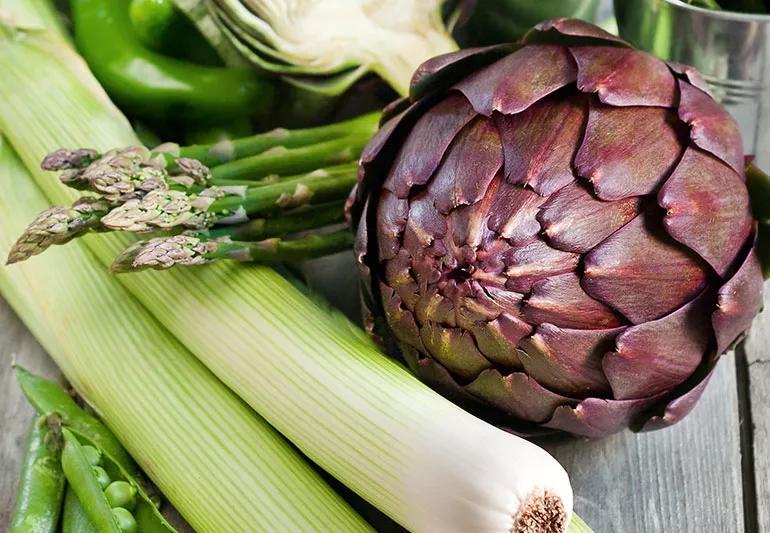
Image content: This image is available to view online.
View image online (https://assets.clevelandclinic.org/transform/e71815d5-a93f-4e40-bf69-13a12b982991/Inulin-485737323-770x533-1_jpg)
Stalks of celery, asparagus and artichoke sit on a wooden table.
While you might not be familiar with inulin, it’s pretty much everywhere.
Inulin is created by plants and is then used as an energy source by them. This prebiotic dietary fiber is a type of carbohydrate that’s not digested in your body, but is used as “food” by your gut’s good bacteria. Sounds promising, right? But should you hop on the inulin train or pass this natural prebiotic on by? Registered dietitian Kendra Weekley, RD, breaks it all down for us.
Advertisement
Cleveland Clinic is a non-profit academic medical center. Advertising on our site helps support our mission. We do not endorse non-Cleveland Clinic products or services. Policy
Inulin is a prebiotic fiber that’s produced by plants. It’s found in many fruits, grains and vegetables like:
Inulin is frequently used as a fat substitute or sweetener. It can be used as an alternative to eggs in baked goods and added to ice cream to prevent ice crystals and reduce the amount of fat.
Inulin is available in capsule, gummy, tablet and powder forms, too. The inulin that’s used for most of these purposes tends to come from chicory root.
When it comes to gut feelings, inulin seems to put things at ease. Here are some of the reported benefits.
“Because it is dietary fiber, inulin can stimulate bowel movements,” says Weekley. “Fiber helps keep our bowels regular, which is important for overall intestinal health. Fiber can also help get things moving, prevent constipation and solidify loose stools. So, it is very important to balance of amount fiber and fluid in one’s diet.”
Inulin is a soluble fiber. When this fiber mixes with water or other fluids in your body, it turns into a gel. This gel makes your stomach empty much slower, so you end up feeling fuller longer. “Fiber helps keep us full and stabilizes our blood sugars. This can prevent us from over-eating and help us make better food choices,” Weekley says.
Advertisement
According to Weekley, some studies have shown that inulin can help repair the gut microbiome (a network of tiny microorganisms in your intestines that help control digestion and other functions) when it’s been damaged by health conditions like Type 2 diabetes, gastrointestinal diseases, obesity and prolonged appetite suppression. She adds that in addition to stabilizing blood sugars, inulin can help lower cholesterol and reduce your risk for certain types of cancers, like other types of fiber can.
Some studies have found that adding inulin into your diet can increase the variety of good bacteria in your gut, which can lead to a healthy gastrointestinal tract. “Many studies have connected a healthy gut to a healthy mind. Some have even suggested that a well-balanced microbiome and healthy bowel habits may be linked to lower levels of anxiety and depression,” says Weekley.
Inulin is safe for the most part, but Weekley says that too much of it might cause uncomfortable side effects for some, including:
She adds that artificial sources of inulin can aggravate some conditions like irritable bowel syndrome. So, before you start taking an inulin supplement, talk to your healthcare provider to avoid any potential problems.
Advertisement

Sign up for our Health Essentials emails for expert guidance on nutrition, fitness, sleep, skin care and more.
Learn more about our editorial process.
Advertisement
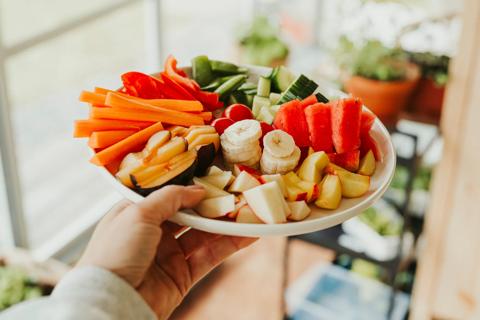
Eating a healthy diet, reducing stress, and focusing on exercise and sleep can help keep your digestive system in top form
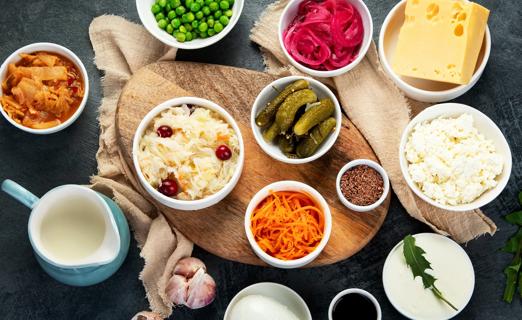
Yogurt, sauerkraut, kimchi and other fermented foods are a good way to get those beneficial microbes
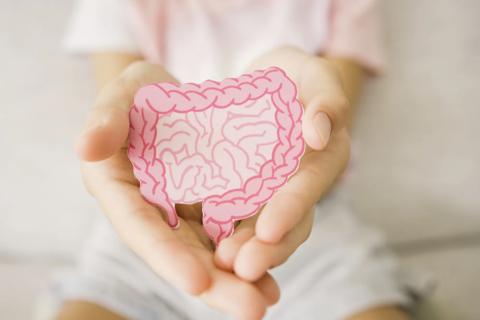
Probiotics are ‘good’ bacteria that help your gut, while prebiotics are foods that fuel the bacteria
Taking your probiotics in the morning with food is a great strategy — but consistency is key

There’s little evidence that probiotics cause weight loss, but having a healthy gut microbiome may set the stage for it

You don’t need a strenuous or expensive fitness routine to keep your digestive tract in shape
A healthy gut benefits your entire digestive system — and more
Here’s why prebiotics matter

Managing your weight through physical activity may lower your chances of getting this common cancer

It typically starts in October and winds down in early spring, with cases at their highest in the middle of winter

Anxiety disorders, health conditions and past trauma can make driving nerve-wracking — help is available
 Search










