Locations:





Some gum can rebuild enamel and keep teeth clean — but chewing for too long could spell trouble for your jaw

Image content: This image is available to view online.
View image online (https://assets.clevelandclinic.org/transform/2759c5f5-f536-45f5-ac5d-5e1a39d16c71/is-gum-bad-2233025553)
Person blowing a bubble with gum, walking, looking at cell phone
If you feel like you get mixed messages about gum, you’re not alone. One gum’s commercial declares that “9 out of 10 dentists agree” it promotes better oral health, while another gum is shelved right next to the candy in the grocery store.
Advertisement
Cleveland Clinic is a non-profit academic medical center. Advertising on our site helps support our mission. We do not endorse non-Cleveland Clinic products or services. Policy
So, is chewing gum bad for you or not? We asked periodontist Sasha Ross, DMD.
Chewing gum has several potential benefits, but only if you:
Perhaps the biggest perk of chewing gum (besides that minty-fresh feeling) is the increase in saliva that comes with it.
“Chewing gum can stimulate salivary production by over 10 times,” Dr. Ross reports. In addition to preventing dry mouth, all that extra spit may:
Chewing gum’s other big benefit is mechanical.
Dr. Ross says that moving gum around in your mouth is a great way to remove tiny bits of food that get trapped in your teeth or gumline, which can help prevent cavities.
Chewing gum can be a healthy habit for some people, but there are risks, too.
Advertisement
For starters, chewing gum strains the joints in your jaw, which are called temporomandibular joints. Gum can also put added stress on your jaw muscles and teeth. All that extra movement can cause soreness, imbalance and misalignment. Common signs include
“For some people, even a small shift in their temporomandibular joint can cause severe pain,” Dr. Ross reports. “And in rare cases, chewing gum can cause otherwise healthy teeth to fracture — to split in two.”
Setting aside that nightmare fuel, she notes the act of chewing gum can also cause a wide range of tummy troubles.
“When you’re chewing gum, you swallow air, which can lead to bloating and gas,” she elaborates. “What’s more, sugar substitutes like sorbitol can cause stomach cramps and diarrhea in some people.”
There are some people who should avoid chewing gum. Check in with your dentist if you:
If you’ve decided the benefits of chewing gum outweigh the risks, Dr. Ross recommends that you:
“Chewing gum — like many things in life — can be OK in moderation,” Dr. Ross concludes. “If you do it occasionally for short periods of time and opt for a mint, sugar-free gum, it can be a healthy part of your oral health routine.”
Advertisement
Advertisement

Sign up for our Health Essentials emails for expert guidance on nutrition, fitness, sleep, skin care and more.
Learn more about our editorial process.
Advertisement
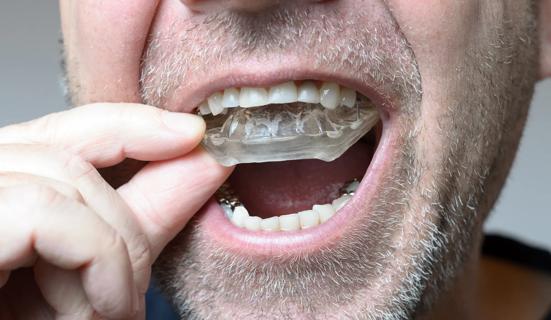
If you grind your teeth at night, a mouthguard might help relieve jaw discomfort

The soreness could be from the way you sleep, teeth grinding, bite misalignment or other issues

If you have discomfort and pain in your face, it could mean something serious is going on

A variety of OTC products and professional treatments can be effective at removing stains on teeth
Fluoride has the power to make your teeth stronger
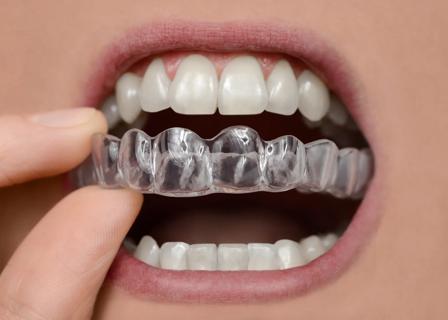
Protect your teeth and ease strain with a nightguard, better sleep habits and other changes
Daily oral hygiene goes a long way to keeping your mouth healthy and your smile bright

Most kids start losing baby teeth around age 6 — but there’s some wiggle room in the timeline

Hormonal changes, a slower metabolism and muscle loss can make weight gain more common around menopause — healthy habits can help you manage it

Life-threatening complications include sepsis, stroke, pneumonia and more

Fruity-smelling breath can happen when your body burns fat for energy, and in some cases, can signal a medical emergency
 Search










