Locations:





This fruit has clear nutritional benefits — but there’s little evidence it can prevent or treat illness
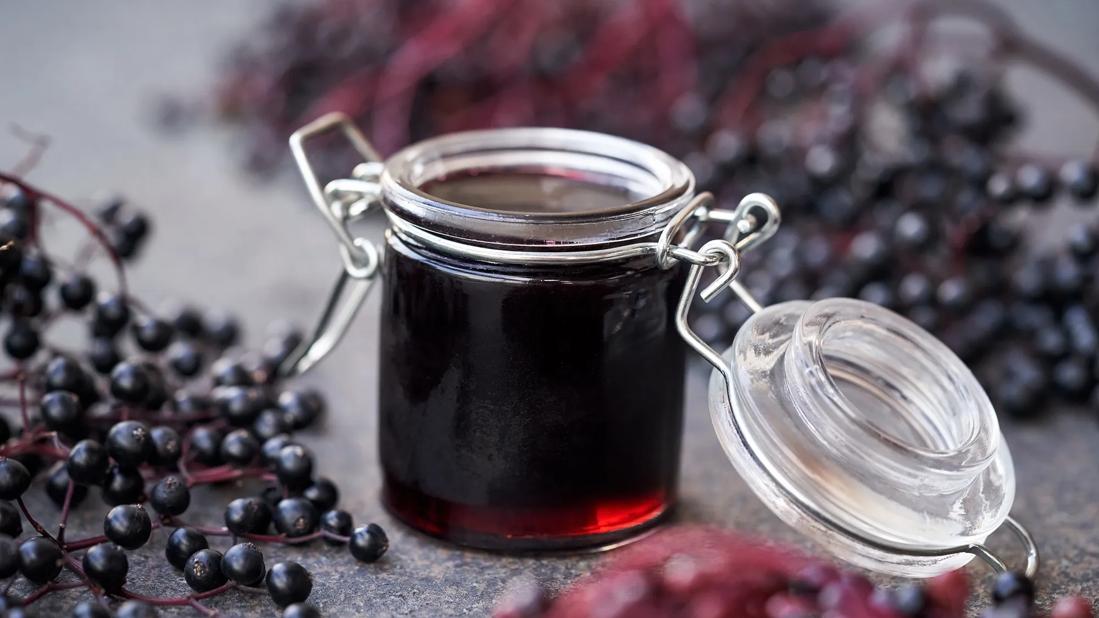
Image content: This image is available to view online.
View image online (https://assets.clevelandclinic.org/transform/f39ec6f4-096d-4f08-a9d5-5a79925c1403/elderberry-jam-1771377149)
Jar of elderberry jam, with elderberry fruit nearby
Wouldn’t it be great if a pie filling doubled as medicine? It’s a thought you may have when walking past shelves filled with elderberry gummies, extracts and pills.
Advertisement
Cleveland Clinic is a non-profit academic medical center. Advertising on our site helps support our mission. We do not endorse non-Cleveland Clinic products or services. Policy
But what is elderberry? Does elderberry actually work? And if it does, what is elderberry good for exactly?
The honest answer is: We don’t know.
Integrative medicine specialist Naoki Umeda, MD, explains.
Elderberries — the fruit of flowering plants in the Sambucus genus — have been used in food and traditional medicines for thousands of years. The berries must be cooked before they’re consumed. They’re toxic when eaten raw and can cause diarrhea, nausea and vomiting.
What does elderberry taste like? Once cooked, elderberries have a tart, earthy flavor that pairs well with sweet fruits, citrus fruits and honey. They’re used to make jams, jellies, wines and more. Some people dry them and add them to baked goods for extra zing and a pop of color.
Dr. Umeda says elderberry is a common ingredient in traditional Native American and European medicine. It’s perhaps best known today as a natural cold and flu treatment, but advocates say it works on everything from headaches to sciatica. You can buy elderberry products in many forms, ranging from pills and syrups to lozenges and lotions.
But can elderberries really prevent or treat health conditions? What does elderberry do that other good-for-you berries don’t?
Advertisement
Dr. Umeda explains that while there’s no harm in eating foods with cooked elderberries, there’s no reason to take a supplement.
Elderberries are rich in many key nutrients, but there’s little evidence to support their use as a home remedy. But is elderberry good for you?
“Elderberries are considered a healthy food,” Dr. Umeda states. “They’re a low-calorie source of antioxidants, dietary fiber and vitamin C.
“But there isn’t any definitive data about the health benefits. So, in that regard, I’m pretty skeptical.”
There’s not much research on elderberries. And the studies that do exist often contradict each other. That’s likely due to problems like small sample sizes, issues controlling for outside factors, and variation in elderberry type, age, preparation and dosing. That’s why the U.S. National Center for Complementary and Integrative Health says there isn’t enough evidence to draw conclusions.
The best evidence we have that elderberries have healing properties comes from personal experiences, not controlled experiments. They’ve been used for thousands of years, and many people swear by them.
That’s a good reason to do more research. But it’s not enough for providers like Dr. Umeda to recommend elderberry supplements.
Here are some of the most common health claims about elderberries.
Elderberries are perhaps best known as a cold-and-flu treatment. But studies to determine how well they work have had mixed results.
For example, a 2019 study found that elderberry fights the flu in many different ways. A little over a year later, another study found no evidence that elderberry reduces the length or severity of the flu.
Some test tube studies, like one from 2024, suggest elderberry might help lower cholesterol levels without harming your liver. But more research is needed to confirm that effect in people.
A lab study suggests that elderberries can reduce both blood sugar and insulin production (thereby lowering insulin resistance) without causing major side effects.
It’s an exciting idea, but thorough human testing is needed to prove that elderberry could be a useful addition to a diabetes management program.
Elderberries are sometimes used to treat constipation, but there’s little science proving it’s an effective laxative. If it is, it’s likely because elderberries contain fiber and antioxidants, which are both crucial for a healthy microbiome.
Of course, the same is true of many other fruits, not just elderberry. There’s nothing special about it, at least in this regard.
Advertisement
A 2023 test tube study found that the antioxidants in fermented elderberry extract may reduce inflammation and protect skin cells from damage. But more research is needed to assess whether it could be a useful ingredient in anti-aging products.
While some studies have been promising, there’s not enough evidence to suggest that elderberry products can kill any viruses. In fact, the U.S. Food and Drug Administration (FDA) issued several warning letters in 2020 over claims that they could prevent, treat or cure COVID-19.
It’s worth noting that, in the case of COVID-19, elderberries may even be harmful. A 2022 study raised concerns that elderberries could provoke a cytokine storm in people with COVID-19 — sending their immune system so far into overdrive that it causes tissue damage and organ failure.
A 2021 study found that the phenolic acids and flavonoids in elderberries have antibacterial properties. But the study didn’t address whether it has the same effect in a human body that it does in a test tube. And you can find phenolic acids and flavonoids in all sorts of fruits and veggies, not just elderberries.
A 2017 test tube study found that certain phytochemicals in elderberries may be helpful in killing cancer. More studies are needed to determine whether elderberry has the same effect on cancer cells inside the human body.
Advertisement
There’s no standardized daily recommended dose of elderberry. The advice you see online usually comes from supplement companies. It’s not based on a set clinical or dietary standard.
The FDA doesn’t regulate supplement companies. So, you can’t be sure their dosing and safety information is accurate — even for their own products. And you really can’t assume other products will work the same way theirs do.
Why? To start, syrups, juices, lozenges and tinctures all contain different concentrations of elderberry. And those are just a few of the many types of supplements you can buy!
And even if your supplement is advertised as “pure” elderberry, it’s going to have other things in it, like preservatives, binders and stabilizers. The end product’s strength and potency can also change based on how it’s prepared.
While there’s little evidence to support the health claims around elderberries, Dr. Umeda says they’re usually considered safe for most people to eat. But some people shouldn’t take elderberry supplements.
Consider skipping them if you:
Advertisement
If you’re considering taking elderberry supplements, Dr. Umeda recommends speaking with your provider first.
Again, the FDA doesn’t review supplements. And, again, as raw elderberries are toxic, it’s important to only buy third-party tested products that are certified safe. If you experience any side effects, stop using them.
The health benefits of elderberry are likely overstated. And they could be harmful in certain situations and for certain people. But what if you’re just a fan of cooking with them? Do you have to wash your nana’s prize-winning elderberry jam down the drain?
Dr. Umeda doesn’t think so.
“Many people enjoy the taste of elderberries. And that’s totally OK,” he reassures. “If you like elderberry syrup or jam, you can eat it. It’s a healthy food when cooked properly.
“But do I think you need to add it to your diet or take a supplement? No.”

Sign up for our Health Essentials emails for expert guidance on nutrition, fitness, sleep, skin care and more.
Learn more about our editorial process.
Advertisement

This famously funky-smelling fruit is packed with fiber, vitamins and minerals
This citrus fruit delivers vitamin C, fiber and other nutrients that can support your heart, immune system and skin
Protein is essential in your diet, but piling more onto your plate isn’t always better
Eating about 20 to 30 grams of protein for your first meal can help you feel fuller longer and fend off cravings

The best choices are high in omega-3s and protein and low in mercury

This vibrant purple yam offers vitamin C, fiber and antioxidants in every bite

Look for foods with a variety of nutrients that last a long time and work in multiple meals — like legumes, whole grains and frozen or canned produce

The traditional hot dog isn’t exactly a nutritious choice, but that doesn’t mean you can’t enjoy one here and there

Managing your weight through physical activity may lower your chances of getting this common cancer

It typically starts in October and winds down in early spring, with cases at their highest in the middle of winter

Anxiety disorders, health conditions and past trauma can make driving nerve-wracking — help is available
 Search