Locations:
Search IconSearch

Itchy Scalp? Common Causes and Solutions

Dandruff, allergic reactions and lice can get you scratching your head

Cartoons tell us that scratching your head means you’re thinking really hard and about to hatch a brilliant plan. But in real life, an itchy scalp is more likely to leave you with questions — like what’s making you itch and how can you make it stop?

Advertisement

Cleveland Clinic is a non-profit academic medical center. Advertising on our site helps support our mission. We do not endorse non-Cleveland Clinic products or services. Policy

Dermatologist Melissa Piliang, MD, explains common causes and treatments for an itchy scalp.
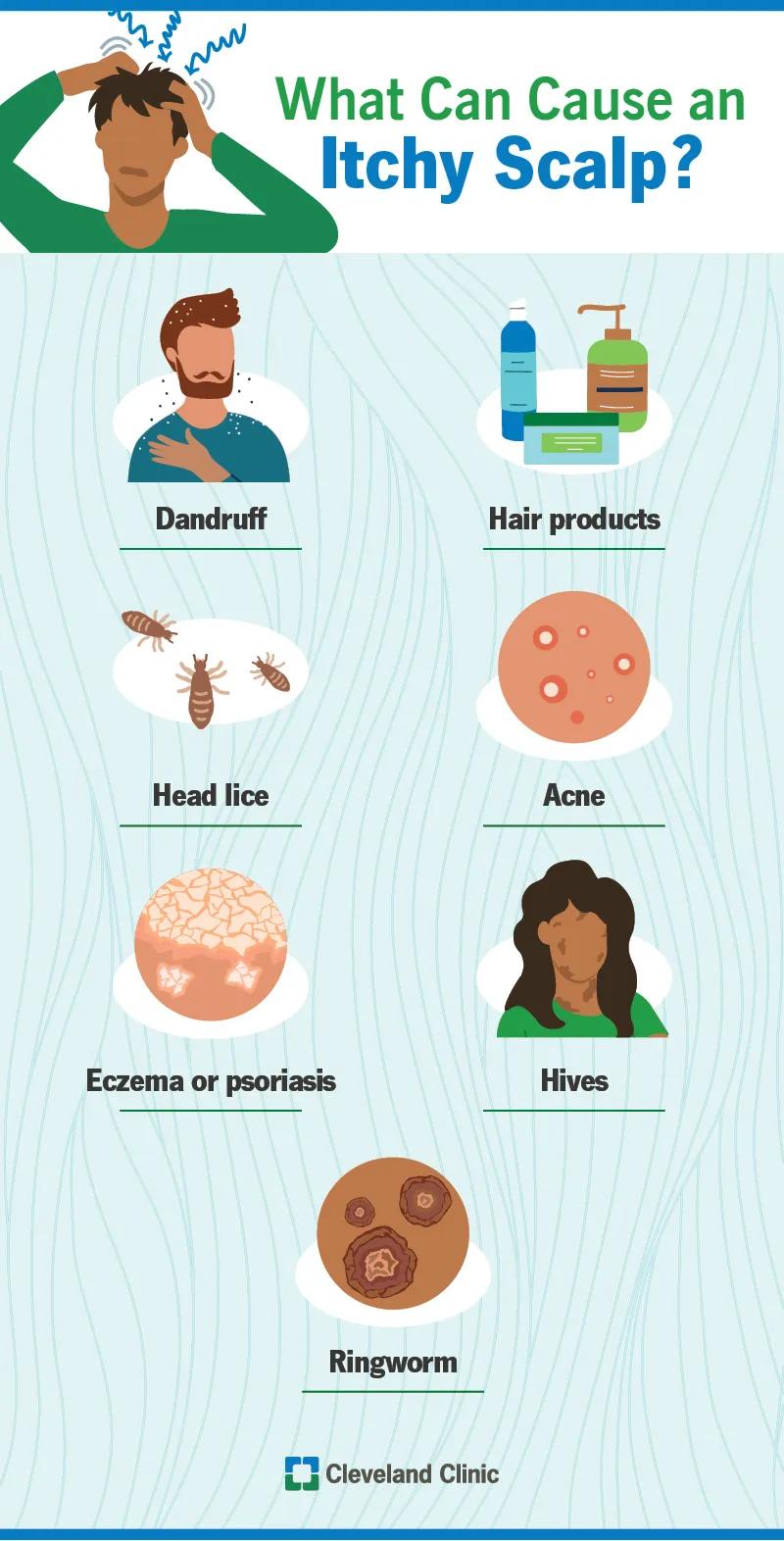
8 causes of an itchy scalp

Causes of itchy scalp, including dandruff, ringworm and head lice

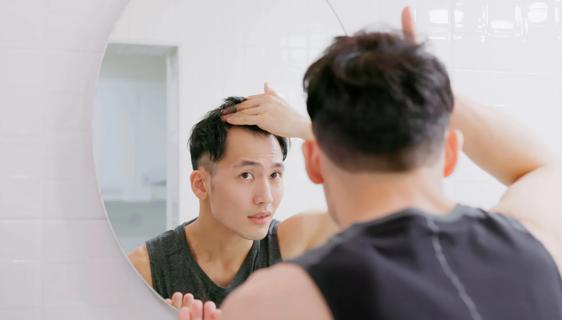
Unfortunately, there’s no single reason why your scalp is so itchy. But there are some common suspects. In many cases, other symptoms — like flakes, bumps, rash or hair loss — can help narrow down the cause.

Dr. Piliang outlines some of the most likely reasons for an itchy scalp.

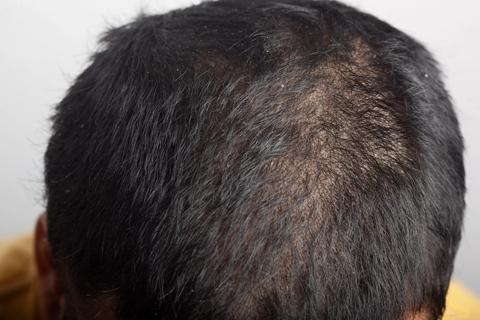
  • Seborrheic dermatitis: The most common cause of an itchy scalp, this skin condition causes dandruff, itching and flaking. It happens when your body has an inflammatory response to an overgrowth of yeast on your scalp. “Yeast normally lives on the scalp and other hairy areas of the body, but the problem arises when there’s too much yeast,” Dr. Piliang explains.
  • Hair products: When your scalp comes into contact with something that irritates it or that you’re allergic to, you can get an itchy rash called contact dermatitis. Hair dye is a common trigger, particularly products containing para-phenylenediamine (PPD). Shampoos, conditioners and styling products can cause irritation, too.
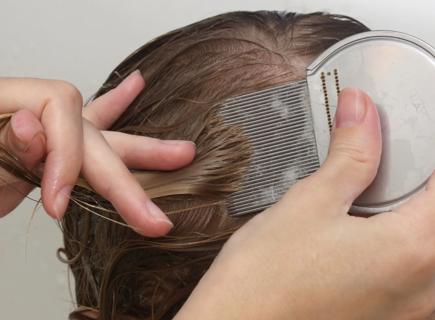
  • Head lice: These tiny insects live on your scalp and feed on small amounts of your blood. Their bites can trigger intense itching. Contrary to popular belief, lice aren't a sign of poor hygiene. They actually may prefer clean hair.
  • Acne: Pimples can develop on your scalp just as they do on your face, chest and back. Sweat, excess oil and certain hair products can contribute to scalp acne, which may be itchy, tender or painful.
  • Eczema: Atopic dermatitis is a kind of eczema that causes dry, inflamed and intensely itchy skin. “The itchiness can be so severe that it interferes with school, work and sleep,” Dr. Piliang says. Atopic dermatitis is a lifelong condition that often appears in childhood — but late-onset eczema is also possible.
  • Hives: These itchy, raised welts can develop anywhere on your body, including your scalp. They may be caused by an allergic reaction, stress, sweat or other triggers.
  • Psoriasis: Scalp psoriasis is a chronic autoimmune condition that causes raised, reddish patches covered with silvery scales. While experts don’t fully understand what causes it, genetics appears to play a role.
  • Ringworm: Also called tinea capitis, scalp ringworm is a fungal infection that invades your hair follicles. It can cause itchy, scaly patches and areas of hair loss that may gradually get bigger over time.

Advertisement

Treatment options

The best treatment for an itchy scalp depends on what’s causing it. That’s why getting the right diagnosis matters.

Some common treatment options include:

  • Over-the-counter medicated shampoos: Shampoos containing selenium sulfide or zinc pyrithione can help manage seborrheic dermatitis. Products with coal tar or salicylic acid may help manage scalp psoriasis.
  • Prescription-strength shampoos: If over-the-counter products aren't helping, a dermatologist may recommend a stronger medicated shampoo to better manage inflammation, yeast overgrowth or other underlying causes.
  • Topical medications: Medicated foams, creams and ointments can help reduce itching, inflammation and irritation. They’re often go-to treatments for itching caused by conditions like eczema, psoriasis and seborrheic dermatitis.
  • Oral medications: Some causes of itchy scalp require treatment from the inside out. Scalp ringworm, for example, typically requires oral antifungal medication. “These are powerful medications,” Dr. Piliang says. “Your provider will want to verify what’s actually causing the problem before they prescribe them.”
  • Targeted treatments: Head lice are typically treated with medicated shampoos designed to kill lice and nits. “Each head lice shampoo formula has its own treatment protocol,” Dr. Piliang explains. “You must follow the instructions on the box exactly to get rid of lice.”
  • Avoiding triggers: If contact dermatitis causes your itchy scalp, avoiding the ingredient that’s causing the reaction is often the key to relief. “Pinpointing the ingredients that are causing the reaction can be challenging on your own,” Dr. Piliang acknowledges. “You may need specialized tests in a dermatologist’s office to sort out the cause.”

While it may be tempting to try internet remedies, proceed with caution. Home treatments aren’t always effective and can sometimes make the problem worse.

Final thoughts

Most itchy scalps aren’t dangerous, but that doesn’t mean you should ignore persistent symptoms.

It’s a good idea to see a dermatologist if your itchy scalp isn’t improving, keeps coming back, or is accompanied by hair loss, rash or pain. They can help identify the cause of your symptoms and recommend the safest, most effective treatment plan.

Advertisement

Cleveland Clinic icon
Health Essentials logo
Subscription icon

Better health starts here

Sign up for our Health Essentials emails for expert guidance on nutrition, fitness, sleep, skin care and more.

Learn more about our editorial process.

Related Articles

Hands combing wet hair with head lice comb
October 13, 2025/Skin Care & Beauty

Do Lice Jump? And Other Must-Know Facts

Lice don’t jump — but they can spread with direct head contact
Closeup of a head with scalp psoriasis
April 16, 2024/Skin Care & Beauty

Experiencing Scalp Psoriasis? Learn How To Treat and Reduce Hair Loss

Calm an itchy scalp by using medicated shampoo, avoiding blow-drying and resisting the urge to scratch
Dandruff in hair
July 20, 2020/Skin Care & Beauty

What’s Best for Dandruff That Won’t Go Away?

The short answer from a dermatologist
Concerned person holding handful of hair with extra hair in the brush
May 19, 2026/Skin Care & Beauty

Why Is My Hair Falling Out?

Natural shedding, alopecia and stress are just a few possible reasons for hair loss

Concerned woman in bedroom with hairbrush full of hair
May 19, 2026/Women’s Health

When To Worry About Hair Loss

Things like stress, heated styling and other health conditions may cause you to lose more hair than normal

Person applying oil to the ends of their hair
May 15, 2026/Skin Care & Beauty

Can the Sun Damage Your Hair?

Yes, but you can protect yourself with hats, scarves or even hair sunblock

Face of person, with coifed hair, and vitamins types and foods around
March 23, 2026/Skin Care & Beauty

The Best Vitamins and Supplements for Hair Growth

Iron, biotin and omega-3 fatty acids can help boost hair growth

Rosemary oil in glass bottle and fresh rosemary in wooden bowl
January 16, 2026/Skin Care & Beauty

Rosemary Oil for Your Hair: How It Works

Rosemary oil’s antioxidant, anti-inflammatory and antimicrobial properties could help stimulate hair growth

Trending Topics

Peson sitting at table with laptop, elbows on table and hands at their temples

How To Get Past ‘Analysis Paralysis’

Simplifying choices, a reassuring attitude and avoiding information overload can help you overcome indecision

Person holding their nose in a smelly home

Is Thirdhand Smoke a Hidden Health Risk?

Nicotine and other lingering chemicals from smoking can harm people who don’t smoke, including children

Bottles of essential oils alongside plants

Essential Oils and Allergies: What the Science Says

The research is mixed, but experts agree: The risks outweigh the benefits

Ad