Locations:





Anxiety, grief and anger are common after an advanced prostate cancer diagnosis — support and healthy coping strategies can help

Image content: This image is available to view online.
View image online (https://assets.clevelandclinic.org/transform/e4aee2bc-a586-4f8b-88b5-74bf1796e52e/older-man-support-group-1959565600)
Older man speaking during a support group meeting
An advanced prostate cancer diagnosis can shift your world in big ways. It can change your relationships, your plans for the future and even your sense of self.
Advertisement
Cleveland Clinic is a non-profit academic medical center. Advertising on our site helps support our mission. We do not endorse non-Cleveland Clinic products or services. Policy
If you’re feeling scared, overwhelmed or angry, know that you’re far from alone.
We talked with clinical psychologist Mary Moeller, PhD, about how advanced prostate cancer can affect your mental health — and what you can do to care for yourself.
Living with advanced prostate cancer can bring a wave of emotions.
You may suddenly be juggling doctor visits and difficult decisions. Androgen deprivation therapy can affect your mood and energy. Add in concerns about your job, relationships and daily routine, and it’s a perfect storm for stress and emotional upheaval.
“When you have a really difficult life situation thrown at you, it’s no surprise you may experience more anxiety or depression than is typical for you,” Dr. Moeller acknowledges. “That’s why one of the most common things we see in men who are diagnosed with advanced prostate cancer is called an adjustment disorder — meaning that your life has changed in a big way and you’re figuring out how to cope.”
A cancer diagnosis can bring on some heavy feelings, like:
But how you express those emotions may be different from what others may expect. “Snapping” at your loved ones or jumping to anger are common experiences.
Advertisement
“Men are often taught to ‘man up’ and not express vulnerable emotions,” Dr. Moeller explains. “So, when you’re in the midst of this very stressful time, your feelings may come out less like sadness or tearfulness and more like irritability, frustration or anger.”
Dr. Moeller recommends several ways to protect your emotional well-being while undergoing treatment for advanced prostate cancer.
No doubt about it, cancer treatment can be a real slog. And it can be easy to get caught up in the details of navigating appointments, researching lab results and managing medications.
“So much of coping is staying connected to what we call the ‘why of the fight,’” Dr. Moeller says.
When you’re feeling overwhelmed by appointments and treatments, taking a step back and remembering what you’re fighting for can help put those day-to-day challenges into perspective.
Whether that’s spending time with family or continuing hobbies you love, keeping those priorities front and center can help give you momentum during difficult days.
Advanced prostate cancer treatment may change what you’re able to do, but it doesn’t mean putting your life completely on hold.
If going on a family camping trip isn’t realistic right now, maybe you have a family movie night instead. If going out to dinner feels exhausting, maybe you order your favorite takeout and eat together at home instead.
“It’s about asking yourself, What do I enjoy, and what are any small ways I can continue to engage in that while I go through this?” Dr. Moeller advises.
Finding ways to continue doing the things that bring you joy — even if you have to do them differently — can help you feel more like yourself during treatment.
Staying as active as you’re able can help you feel your best.
Physical activity can help boost your mood and maintain your energy levels. Even a short walk can help.
When treatment makes more demanding activities harder, finding small ways to contribute can improve your outlook. Try:
“Oftentimes, our identity is wrapped up in the things we do,” Dr. Moeller recognizes. “So, finding ways to feel like you’ve accomplished something can help, even if you can’t do what you normally would.”
Practical support — like rides to appointments, cooking meals or running errands — can ease some of the day-to-day stress that comes with advanced prostate cancer and treatment.
But emotional support matters just as much.
When friends or family offer to drive you to treatment, bring over dinner or simply sit and listen while you vent, consider saying yes. Accepting support isn’t a sign of weakness. It allows you to focus your energy on healing while reminding you that you don’t have to go through cancer alone.
Advertisement
Talking with people who understand what you’re experiencing can make you feel less alone.
Dr. Moeller recommends prostate cancer support groups for both you and your loved ones. These communities can offer practical advice, emotional support and reassurance from people who’ve been through similar experiences.
Some emotional ups and downs are expected when you’re living with advanced prostate cancer and all it entails. But if you’re consistently feeling unlike yourself, it may be time to ask for more support.
Talk with your healthcare team if:
Your providers can connect you with a psychologist, psychiatrist or other mental health professionals.
For some people, antidepressants or anti-anxiety medications may also be appropriate. That can be especially true if you’re taking androgen deprivation therapy.
“Mood changes can have a very real biological component,” Dr. Moeller notes. “They’re not simply a sign that you’re ‘not coping well enough.’ You could be the best coper in the world, and a change in hormones is still going to have an impact.”
Advertisement
Advanced prostate cancer affects your mind as much as your body.
Feeling anxious, grieving the life you expected or struggling with changes to your identity doesn’t mean you’re failing. It means you’re human.
With support from your loved ones and your healthcare team, you can care for your emotional well-being while continuing to live a meaningful life during treatment.
“Cancer comes with a lot of grief,” Dr. Moeller empathizes. “You can’t ignore your way through grief. But support and healthy coping strategies can help you get through it.”
Advertisement

Sign up for our Health Essentials emails for expert guidance on nutrition, fitness, sleep, skin care and more.
Learn more about our editorial process.
Advertisement

Your care team can determine if you’re a good match for this newer type of targeted treatment

Your PSA numbers matter for diagnosing and monitoring advanced prostate cancer — but they may not tell the whole story

Cancer that’s spread beyond the prostate is considered ‘advanced’
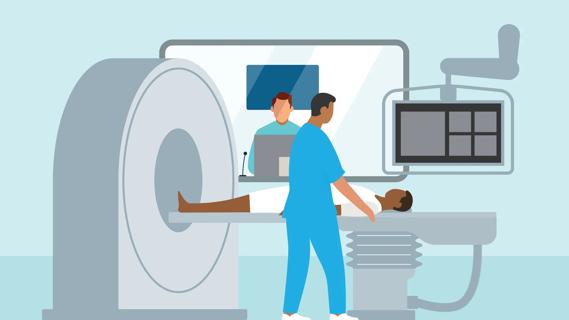
This imaging can help your care team see where the cancer has spread and determine the best treatment for you

Possible signs include slow urine flow and loss of bladder control — but if this common cancer is caught before it spreads, the prognosis is good

You don’t have to cope in silence with issues like urinary incontinence and sexual dysfunction

Family history and genetics may heighten your risk for prostate cancer

Check-in with your care team, and focus on low-impact exercises and walking for good gains

Managing your weight through physical activity may lower your chances of getting this common cancer

It typically starts in October and winds down in early spring, with cases at their highest in the middle of winter

Anxiety disorders, health conditions and past trauma can make driving nerve-wracking — help is available
 Search










