Locations:





Understanding the connection between potassium and heart health

Image content: This image is available to view online.
View image online (https://assets.clevelandclinic.org/transform/4c49fc8c-7fea-4661-b096-7436d39b8342/potassiumSources-1223823324-770x533-1_jpg)
Smoothie with kiwi avocado bananas potassium rich
Keeping track of your blood pressure and keeping it within healthy levels is an essential part of your overall long-term health. A well-balanced diet is important for this, too, making sure your body receives the necessary nutrients and vitamins, including potassium.
Advertisement
Cleveland Clinic is a non-profit academic medical center. Advertising on our site helps support our mission. We do not endorse non-Cleveland Clinic products or services. Policy
While other nutrients are important to your health, potassium is recognized particularly for its ability to help lower high blood pressure. To better understand how that happens and how to incorporate a healthy amount of potassium into your diet, we spoke to cardiovascular specialist Raghavendra Makam, MD, MPH.
Dr. Makam confirms that, yes, potassium really does lower blood pressure. “The American Heart Association (AHA) recommends having a sufficient potassium intake both as a preventative measure and a treatment option for patients with hypertension,” he notes.
Dr. Makam explains that the most direct way potassium helps lower blood pressure is in how the nutrient interacts with your kidneys and sodium. “We know too much sodium is bad for blood pressure, so kidneys have a mechanism for excreting excess sodium to maintain blood pressure,” he explains. “Potassium helps the kidneys excrete that excess sodium instead of retaining it.”
But potassium also helps improve your body’s overall vascular health, he adds. Potassium eases tension in the walls of blood vessels and that, in turn, can have other benefits on your heart health.
“Because potassium positively affects your entire vascular system, it helps reduce multiple risks,” explains Dr. Makam. “Because it helps blood vessels in your brain, kidneys and heart, it reduces the risk of stroke, kidney failure and heart disease.”
Advertisement
“Multiple surveys have shown Americans eat too much sodium and not enough potassium,” says Dr. Makam, so getting that balance right as part of a well-rounded diet is essential. “The recommended daily requirement of potassium is around 4,700 to 5,000 milligrams of potassium.”
You’ve probably heard at some point that bananas are the best source of potassium, but Dr. Makam cautions against relying on a single fruit as a staple for your daily potassium requirement.
“Since a medium banana contains about 422 milligrams of potassium, you would have to eat more than 10 bananas a day to get the recommended daily amount of potassium, which is obviously not a wise choice given the additional calories it adds to the diet,” he says.
So while bananas can be one source, it’s important to make sure you’re using other fruits and vegetables to maintain that potassium intake. Other foods Dr. Makam recommends for healthy amounts of potassium include:
Besides making sure your diet is well-balanced, Dr. Makam recommends factoring in other components, like sugar and starch contents, when choosing foods.
While some people may choose to include certain dietary supplements as part of their daily intake, Dr. Makam notes, “Nature trumps man-made stuff. It’s always preferable to get these nutrients and vitamins in adequate amounts from natural sources.”
Because of the unregulated nature of supplements, he says, it’s always best to talk to your healthcare provider about ways to improve your intake of certain nutrients and vitamins before buying any supplements.
Just as with anything, it’s possible to have too much potassium, says Dr. Makam. “Too much potassium can cause severe muscle weakness and heart rhythm problems that can be serious if not diagnosed and corrected early.”
Dr. Makam notes that angiotensin-converting enzyme (ACE) inhibitors, Angiotensin receptor blockers (ARBs) and Aldosterone antagonists, which are some of the common medications designed to lower blood pressure, already help your body retain potassium. If you’re taking one of these medications and include extra potassium on top of that, there are risks of complications.
He also points out that people with kidney disease should also avoid excess potassium. Damaged kidneys can’t remove excess potassium from your blood, so the amount can build to dangerous levels, if not monitored correctly.
“The key is balance,” says Dr. Makam. “Your healthcare provider will know your specific health conditions, your current medications and latest blood levels, which will help come up with the right approach for you.”
Advertisement

Sign up for our Health Essentials emails for expert guidance on nutrition, fitness, sleep, skin care and more.
Learn more about our editorial process.
Advertisement
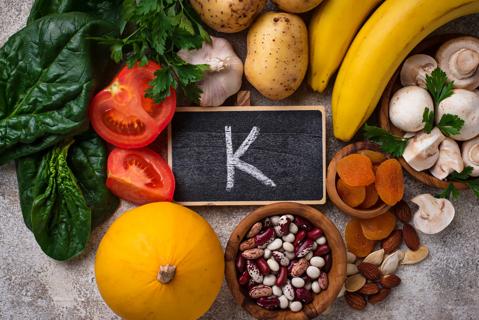
Great sources of this essential mineral include potatoes, squash, lentils and avocados
From sauerkraut to kimchi, these foods can help keep your gut healthy
This East Asian and subtropical fruit is packed with delicious nutrition

They’re both essential minerals, but they do different jobs in your body
You can get a good amount of protein from eating lentils, beans, tofu, grains, seeds and nuts
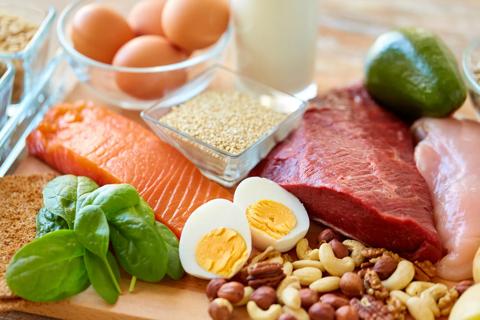
Lean meats, fish, dairy and plant proteins can help you meet your protein needs without piling on saturated fat and sugar
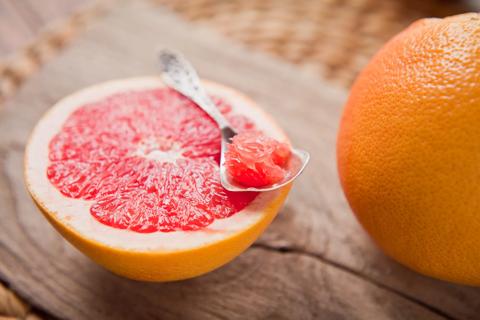
This citrus fruit delivers vitamin C, fiber and other nutrients that can support your heart, immune system and skin
Protein is essential in your diet, but piling more onto your plate isn’t always better

Managing your weight through physical activity may lower your chances of getting this common cancer

It typically starts in October and winds down in early spring, with cases at their highest in the middle of winter

Anxiety disorders, health conditions and past trauma can make driving nerve-wracking — help is available
 Search










