Locations:





One of the main ways healthcare providers can monitor your C3G is by measuring the amount of protein in your pee
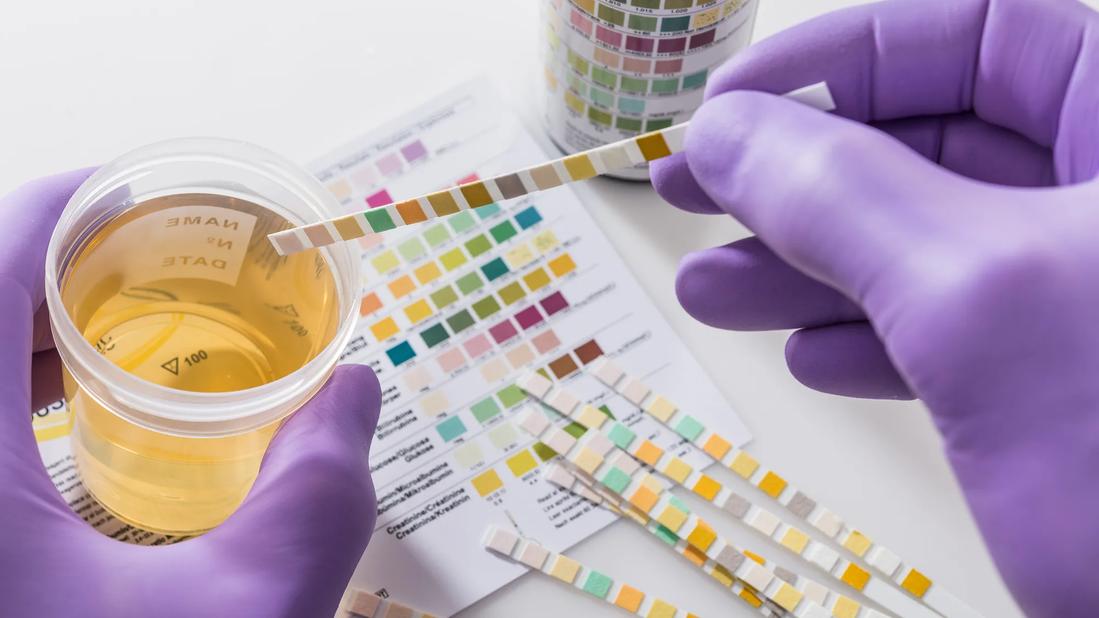
Image content: This image is available to view online.
View image online (https://assets.clevelandclinic.org/transform/102a9be4-a4bb-4433-ae44-1f2d3aaeaf00/testingUrineLab-1074853946)
Gloved hands holding cup of urine sample, testing it
If you’ve been diagnosed with complement 3 glomerulopathy (C3G), you probably know that urine protein-creatinine ratio (uPCR) testing is key to measuring the impact the disease has on your kidneys. But you may be less clear on what exactly the test is measuring.
Advertisement
Cleveland Clinic is a non-profit academic medical center. Advertising on our site helps support our mission. We do not endorse non-Cleveland Clinic products or services. Policy
We asked nephrologist Corey Cavanaugh, DO, about proteinuria in C3G. Dr. Cavanaugh explains why having high levels of protein in your pee is significant and how uPCR testing helps your healthcare provider track your kidney health over time.
Healthy kidneys filter fluids and waste out of your bloodstream, while leaving behind the substances your body needs.
But if you’ve been diagnosed with C3G, chronic inflammation is damaging your kidneys. It’s sort of like somebody’s poking holes in your filter, which allows protein — something you don’t want to lose — to spill out into your pee. This is known as proteinuria.
Meanwhile, the fluids and waste products that your kidneys are supposed to filter out can build up in your body and make you sick.
“Proteinuria is the best thing we have to predict outcomes of kidney function down the road,” Dr. Cavanaugh says.
uPCR stands for “urine protein creatinine ratio.” It’s a go-to test for measuring proteinuria. In addition to capturing the protein level in your pee, it measures the creatinine content. Creatinine is a waste product that your kidneys are supposed to filter out.
Why use this ratio? Put simply, the protein levels in your pee can vary a lot. So, to help the test be more precise, your protein score is paired with your creatinine score. Seeing these two numbers together helps your nephrologist get a more accurate picture of your kidney function.
Advertisement
According to Dr. Cavanaugh, decreasing proteinuria is generally associated with better long-term kidney outcomes. So, many C3G treatments are designed with that goal in mind.
Still, your uPCR doesn’t tell the whole story. It’s one of many data points your nephrologist needs to collect and compare over time to know how active the disease is.
Your uPCR can fluctuate for lots of reasons, and not all of them are cause for concern.
“Proteinuria test results can be incredibly varied,” Dr. Cavanaugh notes. “They can range 50% one way or the other from test to test.”
An increase in your uPCR may signal that your disease is progressing. Or it could reflect scarring in the filtering units of your kidneys, called glomeruli, from a previous flare. This damage to the filtration barrier, called glomerulonephritis, causes more protein to leak into your pee.
But it can also go up or down because of:
And sometimes, it’s none of the above.
Your uPCR could be higher because the urine sample was contaminated, you have a UTI, you’re a little dehydrated — the list goes on. That’s why it’s important that your test results are interpreted by a specialist in glomerular diseases.
It’s also why you need kidney function tests so often. A single data point isn’t enough — your nephrologist determines how well your kidneys are doing based on trends over time.
If your uPCR is trending upward, your provider needs to figure out why and what, if anything, to do about it. For example, if the increase is due to scarring from a prior flare-up, changing your C3G treatment plan won’t make a difference.
“The challenge is knowing what’s actionable,” Dr. Cavanaugh says. “We have to treat every situation differently.”
uPCR testing usually happens in your doctor’s office or at a lab. It’s not something you usually do on your own.
In other words, your provider typically contacts you if there’s cause for concern. And that’s a good thing because changes in your kidney health aren’t always noticeable.
“I sometimes have to convince someone that they have a problem,” Dr. Cavanaugh shares. “They may be feeling well, but I’m telling them, ‘There’s protein in your urine, and we really need to focus on that.’”
But you’re more than your uPCR. And other symptoms can be telling, too. Reach out to your provider if you notice:
Advertisement
These changes aren’t always a sign that something’s wrong. But they are a reason for your nephrologist to investigate further.
All the testing involved in C3G monitoring can get frustrating, especially if your lab results don’t seem to match the way you feel, or if your numbers fluctuate for no clear reason.
That’s why Dr. Cavanaugh says it’s important to have a good relationship with your provider.
“When your nephrologist tells you that you have more or less protein in your urine than before, you need to be able to trust them enough to follow their lead and take the therapeutic steps they’re suggesting,” he emphasizes.
But if you’ve been living with C3G for a long time, trust may be in short supply.
“Nephrologists used to have to tell people with C3G that there was nothing that could be done for it,” he recounts. “We told them, ‘Stick around. In 10 years, things could change.”
It was a big ask with little reward, he notes, so many people with C3G checked out. But if you fit in that category, Dr. Cavanaugh hopes you’ll re-engage.
“The last two or three years have been huge for C3G research,” he encourages. “There are therapies for you now — therapies that really work. And the last thing we want is for you to miss out on them.”
Advertisement

Sign up for our Health Essentials emails for expert guidance on nutrition, fitness, sleep, skin care and more.
Learn more about our editorial process.
Advertisement

Pacing yourself, listening to your body and accepting help are key to living well with this rare kidney disease

You can help your loved ones understand what you’re living with through simple conversations and small examples of daily life challenges

Testing can both reveal the likelihood that you’ll pass on complement 3 glomerulopathy and identify possible treatments
Regular visits with your nephrologist, at-home testing and symptom tracking ensure you’re doing all you can to preserve kidney function

It’s a way to further glomerular disease research and expand your treatment options

Expect some new prescriptions, as well as recommendations to avoid other medications
You may not notice any symptoms of kidney disease until later stages

When you have kidney disease, low-sodium and nutrient-rich foods are the dietary ‘golden rules’

Eyes typically increase to full size during two growth spurts in childhood

To start, opt for calorie-dense foods that are rich in protein and healthy fats

Pre-birth injections and monoclonal antibodies can help prevent serious complications
 Search










