Locations:





 Search
Rosemary oil’s antioxidant, anti-inflammatory and antimicrobial properties could help stimulate hair growth
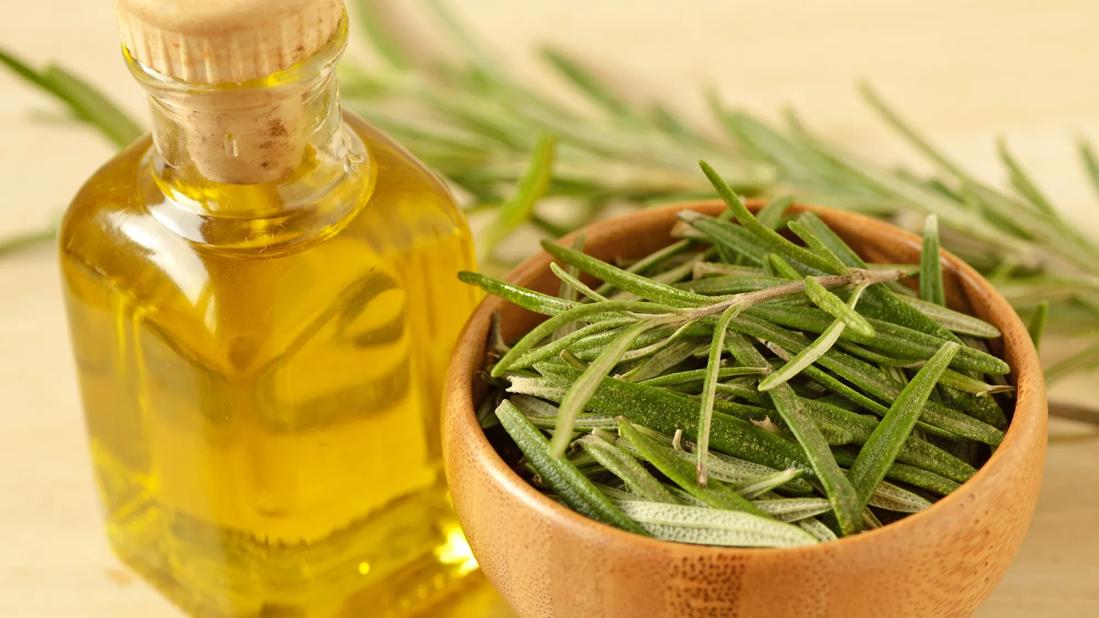
Image content: This image is available to view online.
View image online (https://assets.clevelandclinic.org/transform/fbf5f7b6-dea8-4005-bfdb-88c9ab816b33/rosemary-oil-and-herb-1281818482)
Rosemary oil in glass bottle and fresh rosemary in wooden bowl
Rosemary isn’t just for cooking. It’s also used in an essential oil for a variety of benefits. Among them is the ability to stimulate hair growth and reduce inflammation.
Advertisement
Cleveland Clinic is a non-profit academic medical center. Advertising on our site helps support our mission. We do not endorse non-Cleveland Clinic products or services. Policy
Dermatologist Shilpi Khetarpal, MD, explains why rosemary oil might be good for your hair and how to use it safely.
In recent years, studies have found rosemary oil to be a good alternative treatment for androgenic alopecia (pattern baldness) and hair loss. When compared with minoxidil (Rogaine®), it’s been found to be as effective at encouraging hair regrowth because of its:
We need more research to determine the exact reasons why it’s so effective for hair growth. But some older studies suggest carnosic acid in the plant can help revive damaged nerves and tissue.
Massage has long been used with other natural treatments to boost blood flow to the scalp and support hair growth — and rosemary oil may make it even more effective.
“If you increase blood flow to the scalp, you give your hair the nutrients it needs to shed less, grow more and just be a bit healthier,” explains Dr. Khetarpal.
If you’re looking to work rosemary oil into your hair care routine, Dr. Khetarpal offers these tips:
Advertisement
While rosemary oil is considered safe, it isn’t recommended if you’re pregnant or breastfeeding. Warning labels on some 100% rosemary products warn that using them could affect the fetus or lead to a miscarriage.
When using rosemary oil for hair growth, start with a small area of your scalp before coating your whole head with it, particularly if you have fine hair or atopic dermatitis. “That’s a good way to test to see if it causes a reaction on your skin,” says Dr. Khetarpal.
Even then, rosemary oil should only be used in small quantities — just a few drops at a time will do. Overusing it may result in:
If you experience any irritation or side effects, stop using it and consult a dermatologist. Dr. Khetarpal also cautions against expecting dramatic results, as hair growth takes time and rosemary oil may not work for everyone.
“You want to be realistic,” she stresses. “If you’ve had hair loss for over 20 years, don’t expect it to work wonders. Rosemary oil might help a bit, particularly if your hair loss is just starting, but hair growth is variable. There are no guarantees.”
Advertisement

Sign up for our Health Essentials emails for expert guidance on nutrition, fitness, sleep, skin care and more.
Learn more about our editorial process.
Advertisement
Scalp cancers can occur because of long-term sun exposure
Soften your skin with warm water and shaving cream before shaving with the grain of the hair
Age is the most likely reason for typical graying, but premature graying may be caused by stress, diet, smoking or autoimmune disease

Focus on nutrition, gentle styling habits and adapting to your hair type

How often you lather up your locks can depend on various factors, like hair type, age and ethnicity

Eating whole grains, salmon, fruits and vegetables can help you achieve longer, healthier locks

Your genes, ethnicity, diet and stress levels may all affect your facial hair

Your hair removal routine will depend on your pain tolerance, budget and skin sensitivities

Recovery takes about 12 weeks, but you’ll likely feel a lot better by six weeks after surgery

Both respiratory illnesses cause coughing, but croup brings a distinctive ‘barking’ sound
If you grind your teeth at night, a mouthguard might help relieve jaw discomfort











