Locations:





Tetanus is easy to prevent but tough to treat — vaccines are your best defense
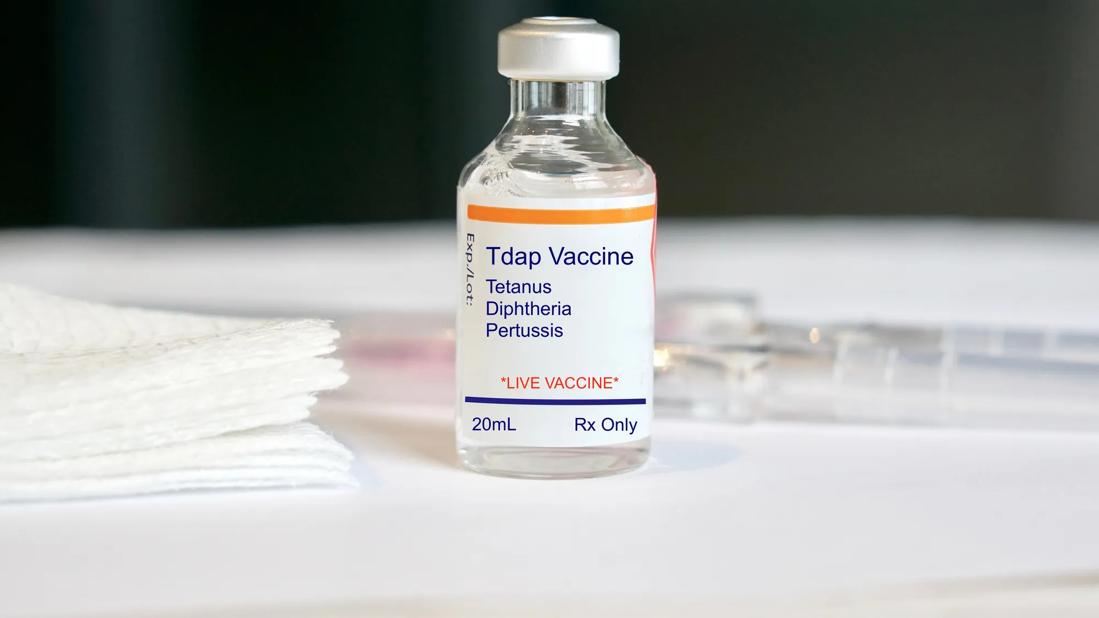
Image content: This image is available to view online.
View image online (https://assets.clevelandclinic.org/transform/dd5e01d0-db25-4385-94be-0a8dfcad9559/tetanus-1387330503)
Vial of Tdap vaccine, with gauze pads
Step on a rusty nail? Time for a tetanus shot, right? That’s First Aid 101. While that’s true, it’s only part of the story.
Advertisement
Cleveland Clinic is a non-profit academic medical center. Advertising on our site helps support our mission. We do not endorse non-Cleveland Clinic products or services. Policy
Family medicine specialist Neha Vyas, MD, explains when tetanus shots are really needed — and why staying up to date matters more than you might think.
Babies and kids should get a series of tetanus shots to build up immunity to the tetanus-causing bacteria Clostridium tetani. Tetanus boosters are advised in adults every 10 years, at minimum. (More on the ins and outs of that in a bit.)
But there are times when you’re best off getting a tetanus shot before that once-in-a-decade event. Dr. Vyas shares when to get your shots.
Video content: This video is available to watch online.
View video online (https://cdnapisec.kaltura.com/p/2207941/sp/220794100/playManifest/entryId/1_8aganm6g/flavorId/1_5f3sgelj/format/url/protocol/https/a.mp4)
Learn what causes tetanus and how to identify the most common symptoms.
Head to the urgent care or your primary care provider and ask about a tetanus shot if you have a cut, scrape or puncture wound that’s:
That’s especially important if you haven’t had a tetanus booster in the last five years. Or if you’re not sure when your last booster was.
“You can get tetanus from a puncture wound, like from a nail,” Dr. Vyas says. “But the bacteria can also live in soil, dust and animal waste.”
Still debating on whether your injury really rises to tetanus-shot level?
Err on the side of caution, Dr. Vyas advises. “If you have a puncture injury or deep cut, it’s worth consulting a healthcare provider. Getting an extra tetanus booster is much safer than getting infected with tetanus.”
Advertisement
If you’ve sustained an injury, wash the area well with soap and water and cover it with a clean bandage. For best results, get a tetanus shot within 48 hours of the injury.
Tetanus vaccines are most often given as a combination vaccine called Tdap. It protects you from tetanus, as well as diphtheria and pertussis (whooping cough).
Pregnant women are advised to get Tdap vaccines in the first trimester. People who live with or care for infants are advised to get Tdap shots, too. That’s because whooping cough is dangerous for infants — the tetanus protection is a bonus.
People who should consider a Tdap booster include:
Tetanus is a dangerous infection, and it doesn’t take an emergency room-level injury to contract it. Even small wounds — like splinters, bug bites or garden scratches — can let in the bacteria.
That’s why staying on schedule with tetanus shots is key. Think about it: You’re probably not going to run to the ER after you get a few scratches from working in the garden. But those scrapes could still be entryway enough for bacteria to set up shop if you’re not up to date on your tetanus vaccines.
Babies and children should be immunized with a series of six tetanus shots when they’re:
Adults should keep up with getting a tetanus shot every 10 years, or more if needed.
Fun fact: Kids under 7 receive the DTaP vaccine, while older kids and adults get Tdap. Both protect you against tetanus, diphtheria and pertussis (whooping cough). Both give you a full dose of tetanus protection. Tdap has lower doses of diphtheria and pertussis to help maintain your immunity, rather than build it from scratch.
Tetanus affects your nervous system. And it’s fatal in about 10% of cases, according to the U.S. Centers for Disease Control and Prevention (CDC).
Tetanus doesn’t take long to take hold. Some people begin to see effects, like lockjaw and difficulty swallowing, in as little as three days after exposure to the bacteria.
“Once tetanus is underway, there is no stopping it,” Dr. Vyas warns. “Tetanus can only be managed, not cured.”
The good news? It’s easy to prevent. Stay up to date on vaccines, and if you’re injured, don’t wait to ask about a booster.
Advertisement

Sign up for our Health Essentials emails for expert guidance on nutrition, fitness, sleep, skin care and more.
Learn more about our editorial process.
Advertisement

Older studies suggesting a link have been completely discredited — vaccinations are safe and effective

From influenza and COVID-19 to pneumococcal, shingles and more, vaccines help keep you healthy

Baby’s caregivers should be up-to-date on flu, COVID-19 and Tdap vaccines to protect the newborn in their lives

The answer varies from person to person and vaccine to vaccine
Getting routine vaccinations together can save you time and may be more effective

They can stop an infection before it gets you sick or prevent you from becoming seriously sick

Previous vaccines against smallpox might provide some protection

Pain after a vaccine is normal — but here's how you can avoid it

Managing your weight through physical activity may lower your chances of getting this common cancer

It typically starts in October and winds down in early spring, with cases at their highest in the middle of winter

Anxiety disorders, health conditions and past trauma can make driving nerve-wracking — help is available
 Search










