Locations:





While it’s not medically recognized that our adrenal glands can ‘tire out,’ adrenal disorders are a very real thing
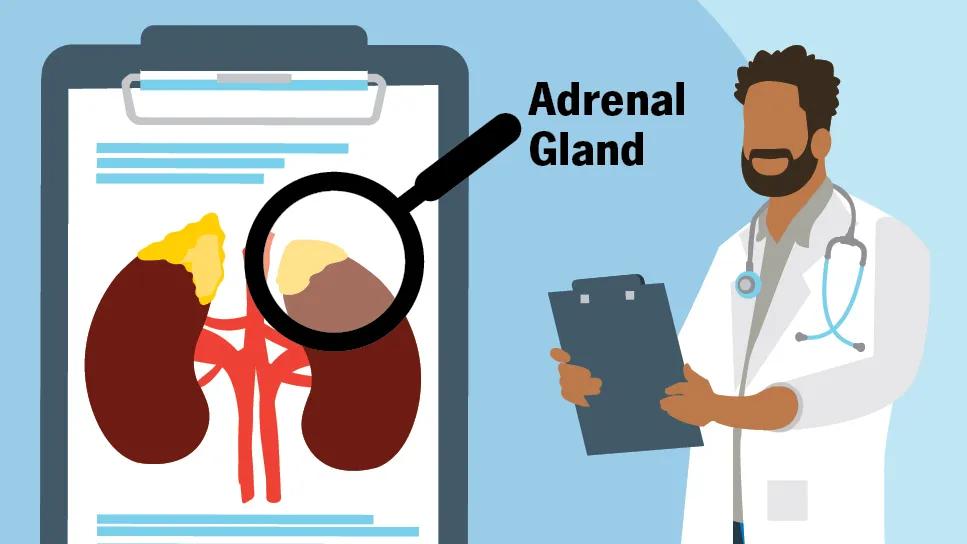
Image content: This image is available to view online.
View image online (https://assets.clevelandclinic.org/transform/74c1ccb6-6015-4871-bc1a-0170a0b54394/doc-kidneys-adrenal-gland-check-1465502784)
Healthcare provider holding clipboard, with view of kidneys and adrenal gland on clipboard chart
It’s no surprise that stress can cause many health issues. But can it get so bad that it “tires out” your adrenal glands? You may have heard that “adrenal fatigue” is the cause of your excessive fatigue, sleeping problems and trouble concentrating.
Advertisement
Cleveland Clinic is a non-profit academic medical center. Advertising on our site helps support our mission. We do not endorse non-Cleveland Clinic products or services. Policy
But the problem with the term “adrenal fatigue” is that it’s not an officially recognized diagnosis. Rather, it’s just used to describe a group of symptoms when nothing else can explain them.
We get it. Feeling fatigued and not knowing why it’s happening can be exhausting (in more ways than one). But it’s better to know exactly what’s going on so it can be treated properly.
Endocrinologist Pratibha Rao, MD, MPH, discusses the truth about “adrenal fatigue” and how a proper diagnosis and comprehensive care can lead to symptom relief.
Our adrenal glands play a big role in how our body works. Just like your heart and lungs, they have a huge functional capacity. “Adrenal fatigue” is a term used to explain feelings of tiredness, fatigue, body aches and sleep disturbances that happen when our adrenal glands get overwhelmed by stress.
While adrenal glands are tied to our stress hormones, the term is misleading.
“The adrenal glands do have a big job,” Dr. Rao reiterates. “They’re responsible for producing, secreting and regulating specific hormones in your body, including cortisol.”
But the idea of “adrenal fatigue” is based on the assumption that your adrenal glands have the capacity to get tired. But this doesn’t actually happen. “They don’t simply tire out,” she states.
Advertisement
In reality, your symptoms could point to a separate issue that should be handled differently. For instance, you may be experiencing an actual adrenal disorder (more on that in a moment) or something else entirely.
“Often, someone who believes they have adrenal fatigue may have postural orthostatic tachycardia syndrome (POTS), a surprisingly common condition,” Dr. Rao points out. “You may also have other underlying illnesses, making a thorough workup with your primary care team a vital part of your care plan.”
Unfortunately, adrenal fatigue doesn’t truly explain what’s going on in your body, which, again, can lead to misdiagnosis, mistreatment and unpleasant side effects. In addition, a diagnosis of adrenal fatigue can potentially mask something else going on in your body — something that should be further explored with your care team.
For example, if you’ve been misdiagnosed with an adrenal disorder, you may get prescribed prednisone (a type of steroid) or advised to purchase expensive adrenal supplements to replace the cortisol that’s presumed to be missing.
“But there are no benefits from taking these medications — and in fact, taking prednisone or any other steroids when you do not need it can result in negative side effects and could ultimately suppress your body’s own ability to produce cortisol,” warns Dr. Rao.
While your symptoms may not be explained by adrenal fatigue, they could point to a specific adrenal gland issue.
Some symptoms could include:
Adrenal insufficiency happens when your adrenal glands don’t function properly and can’t release the vital hormones your body needs to function normally. The exact cause of adrenal disorders isn’t known, so it can be hard to pinpoint why it happens.
The term “adrenal fatigue” refers to a theory that stress can affect the adrenal glands when it can’t keep up with cortisol levels. But it’s not an accepted diagnosis.
Certain risk factors can play a role in adrenal disorders, like:
When these things happen, it can lead to problems like Addison’s disease (when your adrenal glands don’t make enough hormones) or Cushing syndrome (when they make too much cortisol). Adrenal disorders can cause a bunch of different symptoms, like feeling tired all the time, changes in weight and changes in blood pressure.
Advertisement
If it turns out there’s a problem with your adrenal glands, there are steps you can take to help. The best way to do that is to talk to a healthcare provider so you can get an accurate diagnosis.
“Sometimes, we can help you immediately by making modifications to your diet, prescribing an exercise routine and/or recommending specific supplements,” Dr. Rao shares.
To assess adrenal function, your healthcare provider will conduct a one-hour ACTH stimulation test, which is a reliable way to test if your adrenal glands can make enough cortisol. They’ll likely also look for thyroid issues and diabetes.
After ruling out possible endocrine disorders, your endocrinologist can refer you to other specialists, including urologists, cardiologists, rheumatologists, allergists/immunologists and infectious disease physicians.
If you’re diagnosed with POTS or another disorder, these specialists will work together to manage your health and develop a targeted treatment plan — putting you on the path to symptom relief.
If you think the symptoms you’re experiencing are tied to your adrenal glands, the best way to find answers is to talk to a healthcare provider. It can be difficult not knowing why you feel a certain way, but an accurate diagnosis is the first step to get you feeling better.
Advertisement
Advertisement

Sign up for our Health Essentials emails for expert guidance on nutrition, fitness, sleep, skin care and more.
Learn more about our editorial process.
Advertisement

The kind of testing you need depends on your symptoms

Socializing is linked to a healthier and more resilient brain, while loneliness can lead to an increase in dementia symptoms

Delirium is a sudden change in mental status, while dementia is a long-term, progressive decline

Everything you see, hear, taste, touch and smell impacts your ability to think, feel and process information

Drowsiness can be a side effect of inflammation, disrupted sleep and, sometimes, your allergy medicine

Symptoms like constant fatigue, shortness of breath and chills could all be signs of low iron

Fatigue is one of the most common symptoms of myositis, but knowing why it happens can help you manage it more effectively

Healthy habits and reminders can support your brain health and help slow cognitive decline

Managing your weight through physical activity may lower your chances of getting this common cancer

It typically starts in October and winds down in early spring, with cases at their highest in the middle of winter

Anxiety disorders, health conditions and past trauma can make driving nerve-wracking — help is available
 Search










