Locations:





You may need a mental shift to start caring for your physical and mental well-being
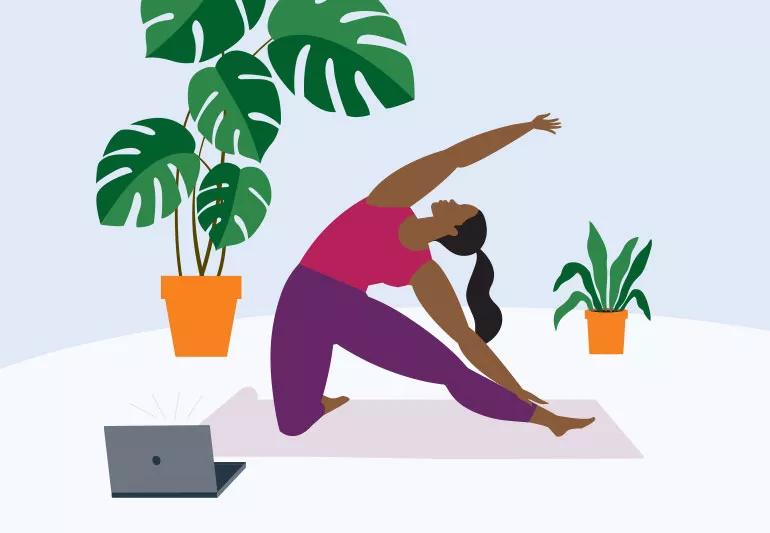
Image content: This image is available to view online.
View image online (https://assets.clevelandclinic.org/transform/b84a241f-1244-42f9-a3a6-431373d688f8/wmnSelfCare-1217890863-770x533-1_jpg)
illustration of woman performing yoga
What comes to mind when you think of “self-care”? Does the concept come across as self-indulgent or selfish? Maybe your mind instantly turns to expensive beauty treatments, high-end vacations or extravagant shopping trips. Or maybe you think that self-care is reserved for people who have time and money to spare.
Advertisement
Cleveland Clinic is a non-profit academic medical center. Advertising on our site helps support our mission. We do not endorse non-Cleveland Clinic products or services. Policy
If that’s the case, it’s time to rebrand what this term really means, especially to women.
“We often see the message of self-care in advertising directed at women, but it’s generally as a sales pitch for something we don’t need,” explains wellness and preventive medicine physician Sandra Darling, DO, MPH.
“We’re told, ‘You deserve it,’ so it makes sense that many people associate the practice of self-care with pampering themselves and spending money.”
But self-care is so much more (and so much less expensive) than spa trips and vacation days — and it’s actually a critical element of your physical and mental health. Dr. Darling breaks down what self-care actually means and why it’s so crucial that you make time for it.
“Self-care is just another name for taking care of yourself, which is vital for your health and well-being,” Dr. Darling says. “More specifically, self-care means identifying and meeting your needs, which is something that most women struggle with.”
In our society, women often feel obligated to be caretakers, which can lead you to put everyone else’s needs — those of your children, spouse, parents, friends and even pets — before your own.
So, it may feel awkward and even selfish to suddenly shift the balance from caring for everyone else to caring for yourself. But Dr. Darling says it’s time to start viewing self-care differently and enter into this uncharted territory, despite the initial discomfort it can bring.
Advertisement
“Self-care simply means you’re taking time to care for yourself,” she says, “and if you don’t properly care for yourself, your body will let you know in negative ways.”
Chronic stress wreaks havoc on your health. It weakens your immune system, inflames your body and makes you more susceptible to health issues like:
“These physiological changes are compounded by the poor choices that can sometimes come with feeling like you’re at the end of your rope,” Dr. Darling notes. Reacting to stress with numbing activities — like zoning out in front of the TV or bingeing on junk food and alcohol — also contribute to stress-related health issues.
But stress-relieving activities quiet your mind and lower cortisol, known as the stress hormone. Relaxation practices may help lower your blood pressure, improve your brain health and help you feel happier and more relaxed, overall — all good things.
“I advocate for self-care to prevent my patients from getting to this point,” Dr. Darling says. “Rather than succumbing to the ‘rosé all day’ approach to managing life’s stressors, treat yourself with love, respect and kindness — but also discipline.”
Self-care means taking care of yourself, which includes making time for ongoing habits like keeping up with your doctor’s appointments, moving your body and eating foods that will keep you nourished and thriving.
But it’s also important to engage in practices and activities that help you center yourself. Dr. Darling recommends starting your self-care routine by simply taking some time each day to pause. One study found that even just 15 minutes of alone time can help lower stress, so go solo in ways that will help you unwind.
“Find an activity that promotes inner peace and calm,” Dr. Darling says. “This will allow you to unwind from stress and get in touch with your needs.”
You may already know what type of self-care works best for you. Maybe it’s going for a run, playing with your pet or cooking up a delicious dinner. But if you’re not yet sure, or if your idea of relaxation involves bingeing an entire TV series in one sitting, it’s important to experiment with different self-care practices and see what feels best.
Here are a few simple self-care ideas for beginners or for anyone who wants to try something new:
Advertisement
Don’t see your favorite relaxation practice listed here? Self-care is different for everyone, so if it helps you relax, makes you happy and doesn’t harm your health, it can fall into the category of self-care.
So, let the “me time” commence! Your body and mind will thank you.
To hear more on this topic, listen to the Health Essentials Podcast episode, “How To Start (or Re-Start) a Self-Care Routine.” New episodes of the Health Essentials Podcast publish every Wednesday.
Advertisement

Sign up for our Health Essentials emails for expert guidance on nutrition, fitness, sleep, skin care and more.
Learn more about our editorial process.
Advertisement
From hydration to meditation, little changes can yield big benefits

The safety risks outweigh any potential benefits these products may offer
Practices range from simple lifestyle changes to extreme experiments — and not all approaches come with the same level of risk

Cold-water immersion offers benefits like sore muscle relief, but the therapy comes with risks, too

These wearable devices can help you understand your body and stay active — but how you use them matters most
The process delivers nutrients quickly and efficiently, but research is limited on many claimed benefits

Hot tub sessions can help relieve stress, soothe sore muscles and improve heart health
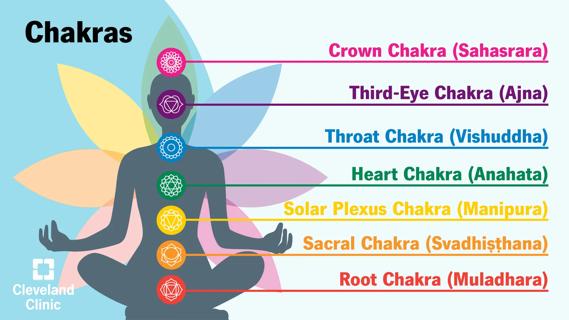
Different types of yoga poses, meditation and breathwork may help you feel more emotionally balanced

Hormonal changes, a slower metabolism and muscle loss can make weight gain more common around menopause — healthy habits can help you manage it

Life-threatening complications include sepsis, stroke, pneumonia and more
Fruity-smelling breath can happen when your body burns fat for energy, and in some cases, can signal a medical emergency
 Search










