Locations:





If you find a tick attached to your skin, pulling it out the right way can lower your risk of infection
After a day of hiking or some other outdoor activity, your eyes catch a glimpse of a small dark bump on your skin. Hmmm… What could that be?
Advertisement
Cleveland Clinic is a non-profit academic medical center. Advertising on our site helps support our mission. We do not endorse non-Cleveland Clinic products or services. Policy
The bump’s tiny legs provide the answer: It’s a burrowed-in tick — and it’s feeding on you.
“This can be very emotional to find,” says infectious disease specialist Frank Esper, MD. “It’s scary to find a tick burrowing in, and there’s a lot of concern about the diseases ticks can transmit.”
So, what should you do once you find that creepy and unwanted guest? We asked Dr. Esper and wilderness medicine specialist Christopher Bazzoli, MD, to walk us through how to remove a tick and what comes afterward.
For starters, take a deep breath and try to relax. A tick bite typically isn’t an emergency. While you certainly want to remove the tick from your body sooner rather than later, there’s no need to feel rushed.
“A couple of minutes isn’t going to be life or death here,” emphasizes Dr. Bazzoli.
Once you’re ready, here’s how to get the tick out.
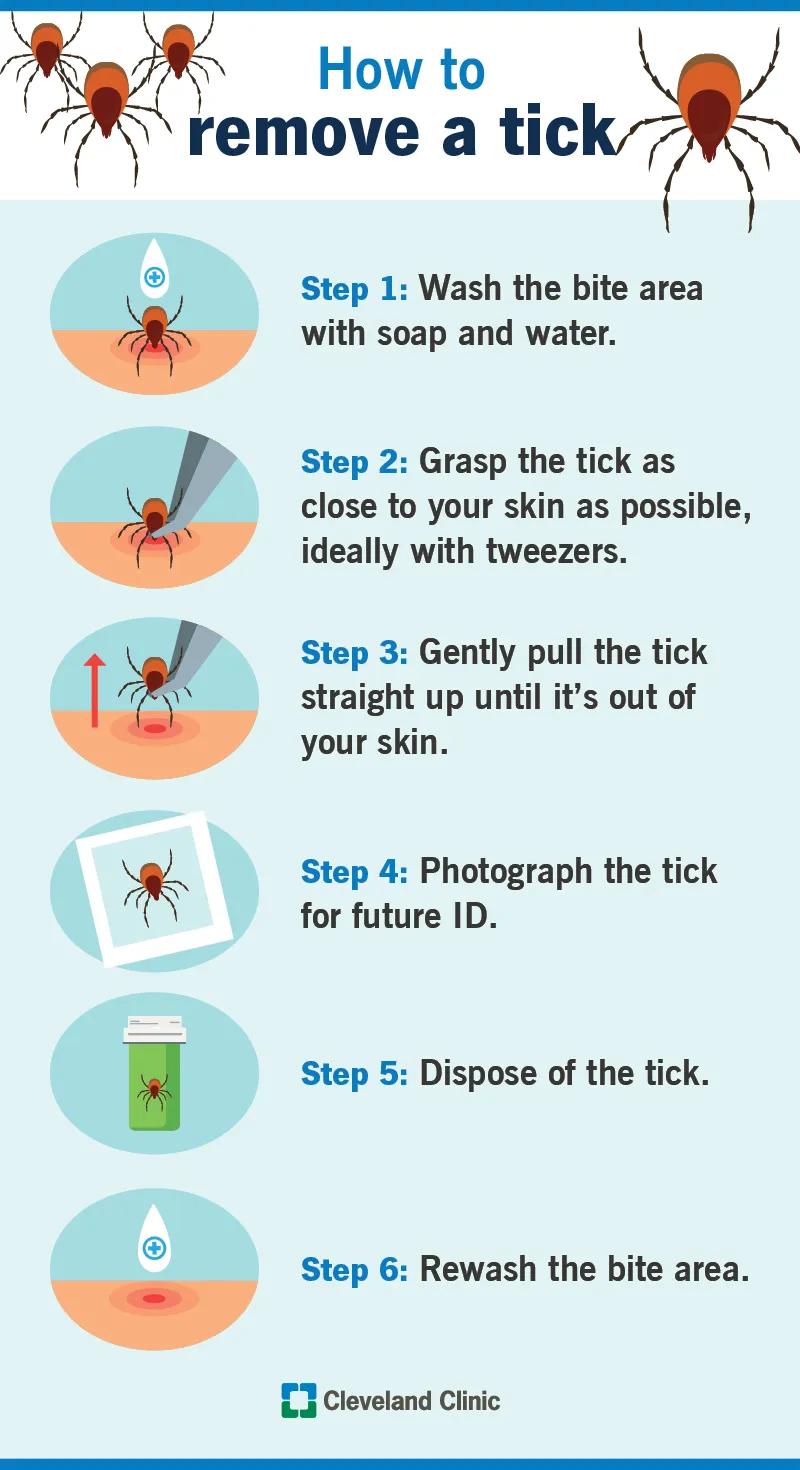
Image content: This image is available to view online.
View image online (https://assets.clevelandclinic.org/transform/a9b24910-3a54-4141-b483-8670b1b59f3c/RemoveTick-infographic-800x1470)
Gently wash the tick bite area with soap and water. (Don’t scrub!)
“The tick created an entry point, or opening, when it burrowed in,” explains Dr. Bazzoli. “Cleaning the area first helps lower the risk of a secondary infection from any bacteria that may be on your skin.”
It’s time to start the extraction. Ideally, you’ll use a clean pair of blunt-tipped tweezers for the job. No blunt-tipped tweezers? A clean pair of regular tweezers will do. If you don’t have tweezers, use your fingers.
Advertisement
You’ll want to grasp the tick as close to your skin as possible. This is to improve your chances of removing the entire tick, including the mouthparts hooked below your skin, and limit the chance of infection.
If you grab hold of the tick farther away from your skin, you risk squeezing its body and forcing potentially harmful pathogens — like bacteria or viruses — out of the tick into your bloodstream. (Ick, right?)
Once you have a firm grip on the tick, gently pull it straight up at a 90-degree angle to the skin.
“Pulling straight up increases the chances of getting the entire tick out,” says Dr. Esper. “Don’t jerk to the side, twist or scrape because you might remove the body but leave portions of the head in the skin.”
What should you do if part of the tick breaks off? Try to remove detached mouthparts with your tweezers. If you can’t remove the bits easily, leave them alone. Your body will naturally push out the remains over time.
There’s no need to keep the live tick once it’s pulled out. You can safely dispose of it by:
Take a picture of the tick before getting rid of it, suggests Dr. Bazzoli. This may be helpful later if you get sick. “If we can identify the type of tick that bit you, it narrows down the list of potential diseases,” he says.
It isn’t necessary to test the tick itself for potential disease.
Always wash your hands thoroughly after removing a tick. Also, don’t crush a live tick with your fingers, as that could expose you to bacteria or viruses.
After the tick is removed, wash the bite area again with warm, soapy water and gently scrub. This second cleaning helps make sure no small mouthparts remain and reduces the risk of infection.
You can apply a small amount of antibiotic ointment to the wound or simply cover the spot with a bandage to protect the open skin.
If you search online, you may find some … well, interesting ideas on how to remove a tick. Don’t be tempted to try them. They don’t work well and may increase infection risk by causing the tick to regurgitate its stomach contents into you.
Methods to avoid include:
“Don’t try anything drastic,” urges Dr. Bazzoli. “Using tweezers is your safest and most effective option.”
After removal of a tick, you enter what Dr. Bazzoli calls a “watch and wait” period for about two weeks. Monitor the bite site and contact a healthcare provider if you experience symptoms like:
Advertisement
But before you worry too much, know this: While illnesses like Lyme disease, Rocky Mountain spotted fever and others are a concern after a tick bite, the odds of infection are low — even if you live in a tick disease hotspot.
“If you’ve been bitten by a tick and it’s been fewer than 36 hours, the likelihood of it transmitting Lyme disease is less than 3%,” reports Dr. Esper. “For transmission, the tick has to have been feeding on you for two days or more.”
And even after that length of time, he adds, the risk of transmission is around 25%. “So, that’s a 75% chance you’re not going to get the infection.”
If you need help deciding whether to see a healthcare provider, check out the U.S. Centers for Disease Control and Prevention (CDC)’s Tick Bite Bot. Answering a quick series of questions is all it takes to determine whether you may need medical treatment.
Advertisement

Sign up for our Health Essentials emails for expert guidance on nutrition, fitness, sleep, skin care and more.
Learn more about our editorial process.
Advertisement

Taking proper precautions — like wearing long pants and using bug spray — can protect you against Lyme disease and other tick-borne illnesses
Keep ‘mozzies’ at bay by avoiding scented body products, beer and certain colored clothes
Vanilla extract won’t keep mosquitoes away for long, if at all — and could even attract other bugs, like wasps or flies
Alpha-gal syndrome has become more common and is a leading cause of anaphylaxis
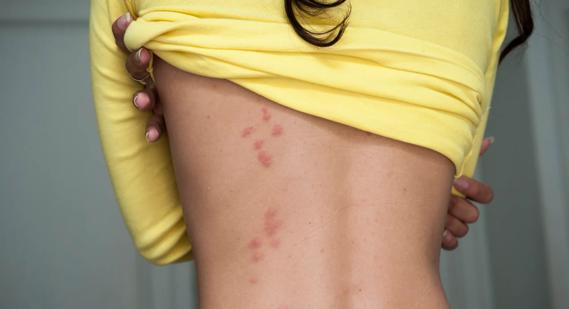
These red, raised bites often show up in a zigzag pattern on areas of your skin that come into contact with bedding
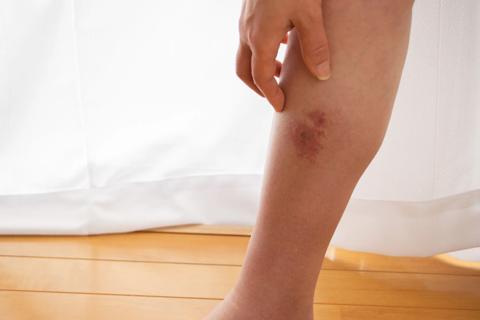
Bug bites create tiny openings in your skin that can let in dangerous bacteria

Using insect repellent, covering up and keeping your property dry can help keep the buggers at bay

Kissing bugs are insects that can carry a dangerous parasite that causes Chagas disease

Managing your weight through physical activity may lower your chances of getting this common cancer

It typically starts in October and winds down in early spring, with cases at their highest in the middle of winter

Anxiety disorders, health conditions and past trauma can make driving nerve-wracking — help is available
 Search










