Locations:





Aim for soft, bland foods and extra hydration in the first 24 hours after the procedure
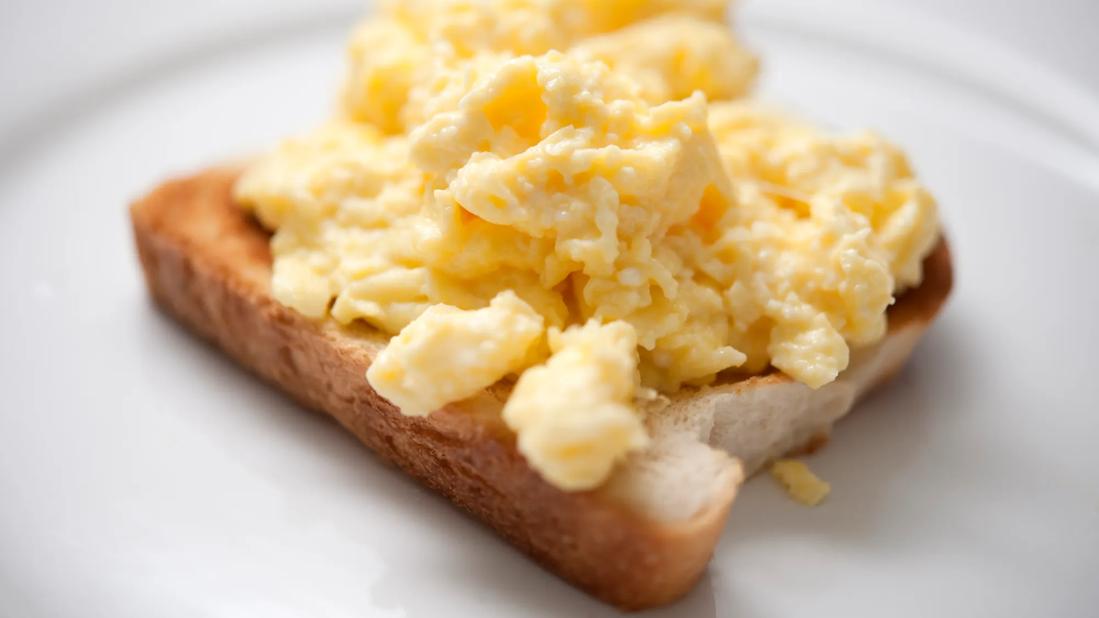
Image content: This image is available to view online.
View image online (https://assets.clevelandclinic.org/transform/fe1fb061-c12e-4551-b843-720e7d8ad23e/scrambled-eggs-toast-173649938)
Plain scrambled eggs on a piece of toast
Mealtime choices typically change before a colonoscopy as you adjust what you eat to empty your bowels. In fact, the day ahead of the procedure, you’ll be limited to a clear liquid diet. (Bring on the broth!)
Advertisement
Cleveland Clinic is a non-profit academic medical center. Advertising on our site helps support our mission. We do not endorse non-Cleveland Clinic products or services. Policy
Given those diet restrictions as part of your colonoscopy prep, it’s safe to say that you may feel a bit hungry by the time your intestinal examination is complete.
So, what can you eat in the hours after a colonoscopy to quiet your growling stomach? Let’s set a post-procedure menu with the help of gastroenterology nurse practitioner Bryn DeSantis, CNP.
The general rule of thumb is to eat lightly in the hours after a colonoscopy, with a focus on soft and bland foods, says DeSantis. She compares it to how you might eat if you’re battling a stomach bug.
The idea is to take it easy on your gastrointestinal system with easy-to-digest foods during that first day. The list of edible options could include:
“These are all foods that are going to be better tolerated by your system when you get home after the colonoscopy,” emphasizes DeSantis. “Go with smaller portions as you ease back into eating, too.”
Advertisement
Increasing fluid intake is also important, as the colonoscopy process may lead to mild dehydration. “Push liquids more than usual for the first 24 hours after the procedure,” she adds.
Options could include:
As you might expect, the list of foods to avoid when you return home after a colonoscopy is much longer. DeSantis explains that it’s best NOT to fill your plate with foods that are slower and more difficult to digest.
The list includes:
While you’re rehydrating, it’s best to avoid drinks with alcohol and caffeine given their diuretic powers. (In other words, they make you pee more — making it more of a challenge to reverse dehydration.)
In addition, alcohol thins the blood and can increase your risk of bleeding if any polyps were removed during your procedure, explains DeSantis.
Try to stay away from carbonated drinks, too. The reason? You may be gassy after a colonoscopy given that air gets pumped into your colon to inflate it during the procedure. Fizzy drinks can make that worse.
So, what happens if you eat something you probably shouldn’t? “You may feel nauseous or throw up,” cautions DeSantis. “Extra gas, diarrhea or intestinal cramping are also possible.”
Now the good news: Most people can return to their regular meal choices the day after their colonoscopy. “In general, you should be able to eat like you normally do within 24 hours,” says DeSantis.
If you had many polyps removed during your colonoscopy, you may be put on a more restrictive diet for a few days. Your healthcare provider will offer guidance.
Bottom line? “‘Easy-does-it’ would be the best advice when it comes to eating after a colonoscopy,” says DeSantis. “Just give your system a day to reset. After that, the full menu should be open to you. In fact, that is the perfect time to start a gut-healthy high-fiber, high-fluid diet.”
Advertisement

Sign up for our Health Essentials emails for expert guidance on nutrition, fitness, sleep, skin care and more.
Learn more about our editorial process.
Advertisement
Both procedures offer a look inside the large intestine, but a colonoscopy is more thorough
They might not be fun, but colonoscopies are low-risk, high-reward procedures
If you’re at average risk, it’s recommended that you get your first colonoscopy at age 45
Larger polyps can be difficult to remove, but there are options
Consider the severity and location of your arthritis to decide on the right support
Eyes typically increase to full size during two growth spurts in childhood
Pre-birth injections and monoclonal antibodies can help prevent serious complications
These medications help calm the overactive brain signals that cause involuntary movements
Managing your weight through physical activity may lower your chances of getting this common cancer
It typically starts in October and winds down in early spring, with cases at their highest in the middle of winter
Anxiety disorders, health conditions and past trauma can make driving nerve-wracking — help is available
 Search










