Locations:





 Search
From planning ahead to resisting bargains, these tips could also save you money

Image content: This image is available to view online.
View image online (https://assets.clevelandclinic.org/transform/21e26185-62a2-46bd-8994-e2aefcee4c59/ShoppingSmartGroceries-891600956-770x533-1_jpg)
person pushing shopping cart with greens while looking at phone
Grocery shopping takes on many forms. There’s the quick pop-in to the store because you forgot a staple, like milk or eggs. Maybe you schedule a weekly trip to make sure you have enough food for the week. In some cases, you could be planning a big party and need to buy items in bulk for the festivities.
Advertisement
Cleveland Clinic is a non-profit academic medical center. Advertising on our site helps support our mission. We do not endorse non-Cleveland Clinic products or services. Policy
Whether your grocery shopping excursion is quick or time-intensive, registered dietitian Jennifer Hyland, RD, CSP, LD, offers tips on how to shop smart for groceries — and maybe save money in the process.
Hyland notes that planning ahead before heading to the store is beneficial any time of year. But she especially recommends planning “when you’re trying to make health-smart and budget-friendly decisions.”
For example, planning your trip ensures you can find (or remember to bring) valuable coupons. You can also check out the store’s deals on your phone app ahead of time, rather than doing so frantically as you walk down the aisles.
A planning session also gives you the time to peruse healthy recipes you’re interested in trying and determine ingredients you might need. This will help you avoid over-purchasing items and lead to less food waste.
As part of planning ahead, make a shopping list. List out each ingredient you need for meals to feed your family for the next one to two weeks.
While you might not be able to buy everything in one trip — after all, some veggies go bad if bought too far in advance — at least you can get most of what you need.
“This process not only benefits your wallet, but your time later in the week when it comes to figuring out what to make for meals,” Hyland says. “This will also ensure you don’t have to make an extra trip out because you forgot that pesky onion.”
Advertisement
Some people prefer going old school and using pen and paper. Or you can easily use a grocery list-specific app on your phone or simply type out your list in your notes app. Do whatever works best for your unique organizational style.
“Use your list-making time as a time to relax on the couch with a hot cup of coffee before you brave the crowds at the store,” Hyland suggests.
Even if you’re convinced that you’re out of peanut butter and need a giant new jar, double-check the cupboards just to make sure. You might be surprised at what’s hiding there.
“You’ll be able to avoid over-purchasing staple items and cluttering the cabinet — like purchasing two jars of peanut butter, only to find later that you already have three in the cupboard. I just did that with salsa last week,” Hyland recounts.
Not only will this save you money, but it’ll also keep your kitchen less cluttered, as you won’t have huge jars of nonperishable food gathering dust.
Getting your entire family involved is a great way to make grocery shopping and meal prep easier. “Have your children help plan some meals and contribute to the grocery list,” Hyland recommends.
“Not only does this help bring the family together, but it may help eliminate the chorus of protests when you serve your family these meals later.”
Being part of the planning process also starts teaching kids how to manage money, as well as build math and cooking skills.
Once you’re at the store, plan your visit wisely. Stick to going where you know you need to buy food — and try to avoid idle browsing in aisles full of tempting snacks or treats.
Luckily, stores typically have similar layouts. For example, staples such as fruits, vegetables and dairy — in other words, healthier stuff — are usually on the perimeter of the store. Most nonperishable staples are on the inside aisles. If you know you’re tempted to go off-list, stick to outside aisles.
Even vigilant stores have items on the shelf that are moldy or past their expiration date. That’s why it’s smart to always check expiration dates before buying a loaf of bread, for example.
The freshness of fruits and veggies can be tougher to judge. Be selective about what you buy by checking out texture and firmness.
This is also where your grocery list can come in handy. If you know you aren’t cooking something for a few days, don’t buy veggies that feel ready to eat that day. Chances are, they’ll go bad before then.
If all else fails and you over-purchase, you can freeze just about anything before it goes bad. Just don’t forget to check your freezer before your next shopping trip.
Advertisement
When you see something on sale, it’s tempting to buy it. After all, saving money is always a good thing, especially if the item’s on your list anyway. But if you don’t need something on sale, put it back.
Impulse buys are often inevitable. We all do it — it’s not a moral failing, but human nature. But where at all possible, stick to your shopping list. That’ll ensure you stay on budget and won’t overwhelm your kitchen.
Advertisement

Sign up for our Health Essentials emails for expert guidance on nutrition, fitness, sleep, skin care and more.
Learn more about our editorial process.
Advertisement

These bright berries are packed with nutrients and antioxidants that may support your eyes, immune system and overall well-being

The general rule is 1.2 to 1.6 grams of protein per kilogram of body weight — but that may not be exactly right for you
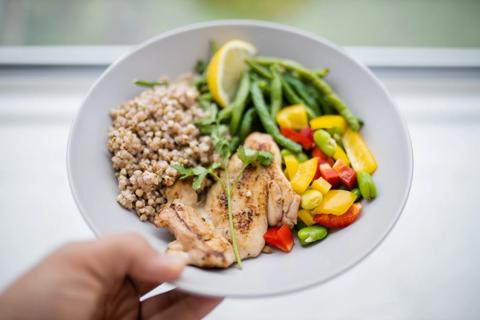
Prepping ingredients ahead of time, rethinking your snacks and making smart protein swaps can up your daily intake

It’s a good on-the-go option and can help build muscle and aid in weight loss
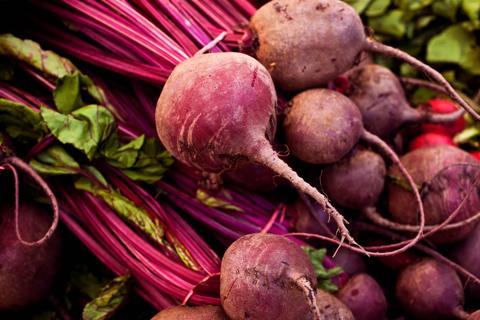
From fighting inflammation to boosting athletic performance, this colorful root veggie offers plenty of health benefits

A mango a day may help keep hunger and bloating away

These tinned fish are rich in nutrients that support whole-body health

Anchovies are packed with nutrients, but be cautious of salt-cured options

Gradually increasing your training, choosing proper footwear and listening to your body can help keep shin pain from sidelining your workouts

Self-stimulating behaviors can help you self-regulate or cope with intense emotions

At-home remedies may help calm symptoms and make it easier to relax at bedtime











