Locations:





 Search
The lowdown on how (and where!) to disinfect
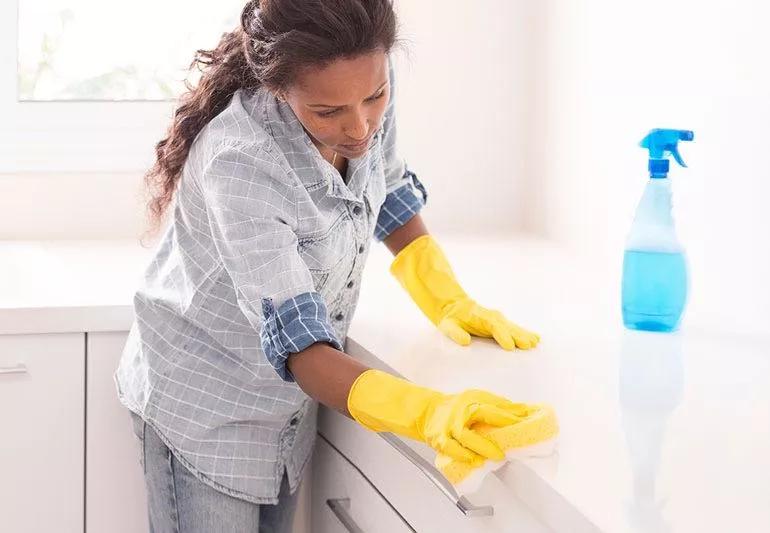
No matter whether it’s a cold, the flu or a stomach bug that strikes, you know you’ll need to break out the cleaning supplies to protect everyone else in your household. But does your method (or the products you use) matter?
Advertisement
Cleveland Clinic is a non-profit academic medical center. Advertising on our site helps support our mission. We do not endorse non-Cleveland Clinic products or services. Policy
Family medicine physician Dan Allan, MD, says once someone in your house has been infected with a bug, it’s best to break out the cleaning gloves and the bleach.
“I would definitely recommend a bleach-based cleaner,” he says. “There are certain infections, like Norovirus, which are not killed by normal mechanisms — even hand sanitizer will not work on that particular illness.”
It’s important to clean thoroughly after everyone in the house is healthy. Dr. Allan recommends starting with things that are frequently touched, like counters, doorknobs, refrigerator handles, remote controls and especially cell phones.
“Cell phones can have more germs than a toilet seat. It’s amazing what is on a cell phone. You definitely want to clean those routinely,” Dr. Allan says.
Pay close attention to the kitchen, not only because it’s a place where many people gather and touch things, but also because it’s where food and drink are being prepared.
Bacteria and viruses can live on surfaces for a while — sometimes days or even weeks, Dr. Allan says.
He also recommends washing bedding and stuffed animals in hot water and wiping down other objects that can’t be easily washed using a bleach-based cleaner, if possible.
Advertisement
An often-overlooked way to try to stop the spread of illness, Dr. Allan notes, is to change our habits, as difficult as that may be.
“One of the key things that’s hard for people is to not touch their face,” he says. “We touch our faces so many times a day, and half of the time we don’t even realize it. You rub your eye, your nose, scratch your face, lean on your hand — and this is probably one of the biggest habits to stop doing to prevent sickness.”
Dr. Allan also points out that it’s important for those who come down with a contagious illness to stay home from work and school until they’re starting to improve to help prevent it from spreading to other households.
Advertisement
Sign up for our Health Essentials emails for expert guidance on nutrition, fitness, sleep, skin care and more.
Learn more about our editorial process.
Advertisement
Open the windows, keep a clean house and consider putting in preventive features like carbon monoxide detectors
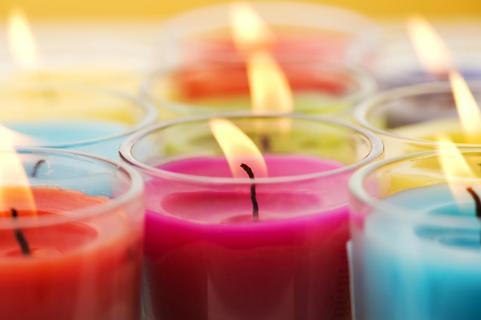
Though they release a small amount of VOCs into the air, there isn’t enough strong evidence to say they’re dangerous to your health
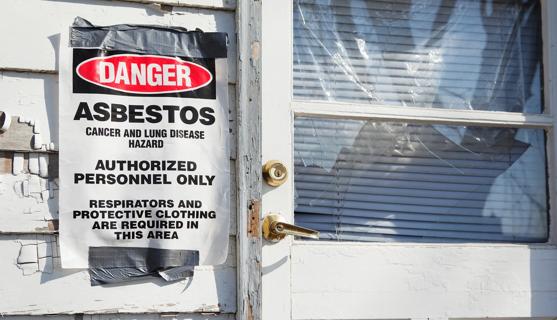
There’s no safe way to find, handle, repair or remove asbestos yourself — it’s always a job for a professional

Investing in a humidifier and keeping yourself hydrated can help you stay healthy despite dry air
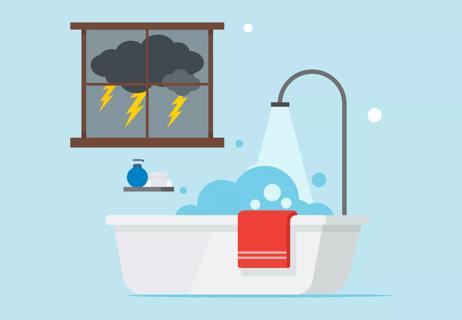
Lightning can strike indoors, even with plastic plumbing — and that includes in the shower
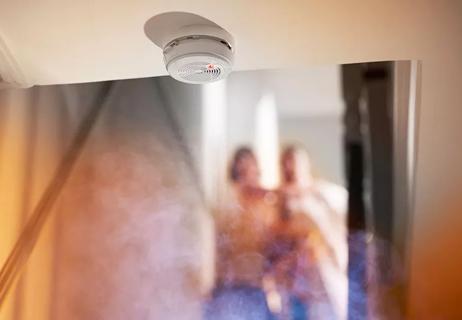
Most post-fire deaths occur because of smoke inhalation
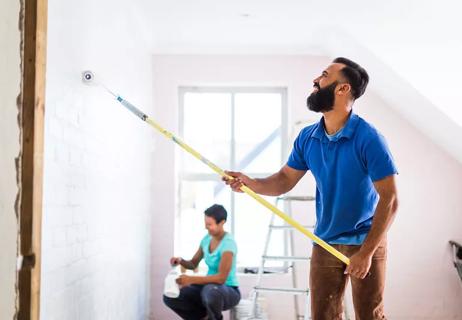
6 tips for protecting your lungs while you work
Benefits may go beyond breathing

Even small moments of time outdoors can help reduce stress, boost mood and restore a sense of calm

A correct prescription helps your eyes see clearly — but as natural changes occur, you may need stronger or different eyeglasses

Both are medical emergencies, but they are very distinct events with different causes











