Locations:





Not drinking enough, drinking too much at once and overdoing it on caffeine can all leave your body short on fluids
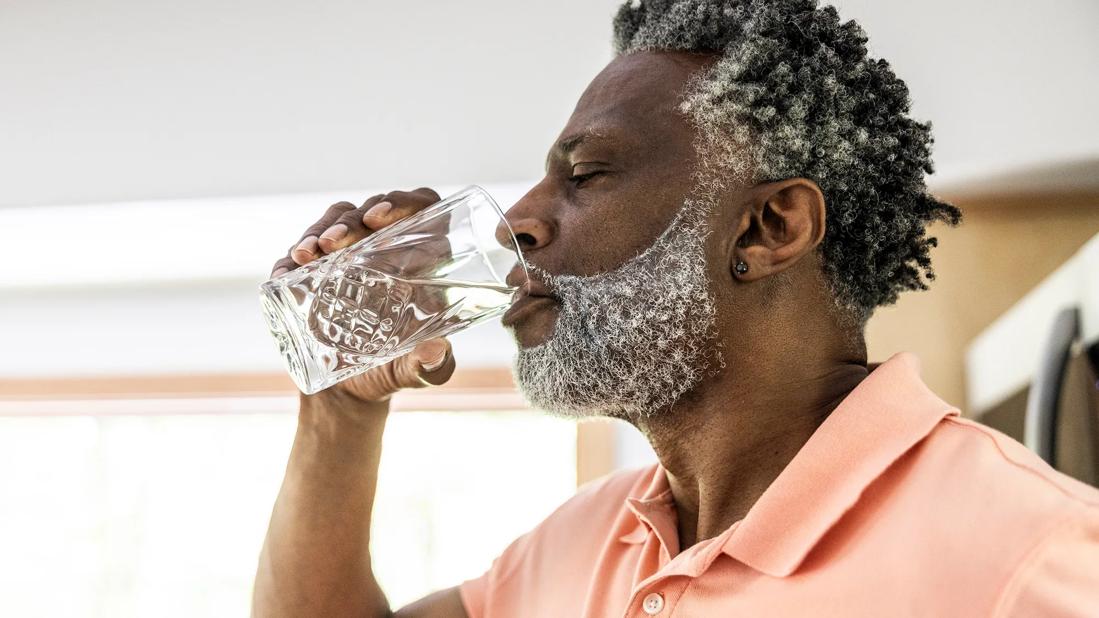
Image content: This image is available to view online.
View image online (https://assets.clevelandclinic.org/transform/34f5e5c6-c8da-44a2-955f-a978dc8266d0/person-drinks-water-2150316216)
Older person drinking a glass of water
We all know it’s important to drink plenty of water. But what if you’re gulping the stuff down and still experience dehydration symptoms on a regular basis?
Advertisement
Cleveland Clinic is a non-profit academic medical center. Advertising on our site helps support our mission. We do not endorse non-Cleveland Clinic products or services. Policy
It could be a sign that something else is going on. Internal medicine specialist Kayla Rapp, DO, explains eight factors that may be influencing your fluid levels.
There are many reasons you could be dehydrated. Some of them may surprise you — but not this first one!
You may think you’re getting enough water each day. But it’s easy to come up short without realizing it. That’s because most people believe (incorrectly) that eight glasses are all we need.
The recommended daily amount is actually:
That’s a rough guideline. But how much water you need depends on ... well, you! It’s important to consider not only your sex, but also how active you are, how often you’re outside, how much you sweat, the food choices you make and more.
“A general rule of thumb is drink when you’re thirsty,” Dr. Rapp says.
But for some people, the sensation of thirst diminishes with age. Lack of thirst is also a common issue for young children.
If you rarely feel thirsty, consume at least the recommended daily amount of water a day, even if you don’t feel like you need it.
Water is important. But it’s not enough.
“Water has hydrogen and oxygen,” Dr. Rapp explains. “But it doesn’t have the electrolytes your body needs.”
Advertisement
Electrolytes regulate the fluid levels in your cells, which means they’re key to maintaining proper hydration. They also help support blood flow, along with nerve, muscle and brain function.
You can get many electrolytes — like sodium, potassium, calcium and magnesium chloride — from the food you eat. In a pinch, try sports drinks and rehydration solutions instead.
If you chug a gallon of water each morning, you may be doing more harm than good.
When you overload your system with water, it gets rid of the excess when you pee. That wouldn’t be a problem, except that it takes precious electrolytes along for the ride.
Instead, aim to stay evenly hydrated throughout the day instead of trying to get it out of the way at one time.
When you sweat, you lose fluids and electrolytes. Unless you replenish what you’ve lost, this can lead to dehydration.
Dr. Rapp reminds us that water, while essential, isn’t enough to keep you hydrated when you’ve been sweating up a storm. You also need to top up your electrolytes. It’s one of the many reasons orange slices are a go-to sports snack for little leaguers and pro athletes alike!
While it’s tempting to count your morning cup of coffee as a glass of water — there’s water in it, after all — that’s not how hydration works. Several popular drinks have a diuretic effect. That means they can make you pee more, which can lead to dehydration. Examples include:
Battling a bug? From the flu to food poisoning, illness is a common cause of dehydration. That’s because vomiting, sweating and diarrhea all rob you of fluids.
If you’re under the weather, make a point of sipping water and other clear liquids throughout the day. Spreading out your fluid intake makes it easier for your body to handle. Dr. Rapp recommends drinking electrolyte or sports drinks, tea and chicken broth.
“The beauty of chicken soup is that it has salt, which helps keep water in your body,” she adds.
Some medications cause dehydration. And that might be intentional: Diuretics, for example, are designed to remove excess water from your body.
Fluid loss can also be an unfortunate side effect of medications like:
If dehydration is listed as a side effect of a medication you take, it’s important to talk to your healthcare provider.
“If you have heart failure or issues with fluid retention, talk to your doctor about making a plan to keep you hydrated,” advises Dr. Rapp.
Dehydration deserves a conversation with your provider. It may be a sign of a more serious health condition.
Diabetes might be the first thing you think of. But there’s a long list of medical conditions — some acute, some chronic — that can cause dehydration. Examples include:
Advertisement
Dr. Rapp advises treating dehydration like you would any other symptom. If something changes (like your thirst level, your urine color or your fluid intake), let your provider know.
Dehydration can happen for lots of different reasons. And yes, knowing the “why” is important. But before you worry about that, you need to hydrate. Your symptoms may improve within five to 10 minutes of drinking a glass of water.
If you’re experiencing signs of moderate or severe dehydration, seek medical treatment immediately. A healthcare provider can give you intravenous (IV) fluids and, if needed, run tests to determine why you’re dehydrated.
Advertisement

Sign up for our Health Essentials emails for expert guidance on nutrition, fitness, sleep, skin care and more.
Learn more about our editorial process.
Advertisement
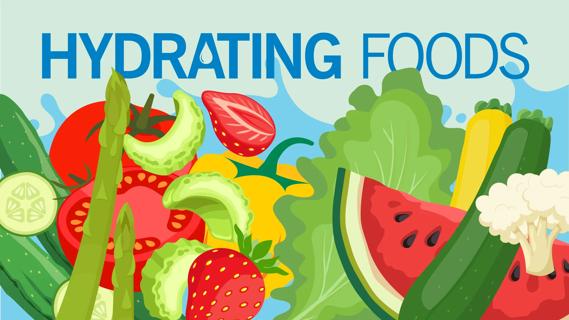
Cucumbers, celery and (of course) watermelon are among foods with high water content

Being short on fluid causes hormonal imbalances, brain fog, sleep issues and more
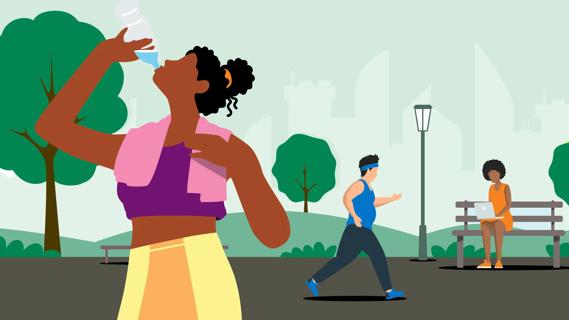
Consumption needs vary based on activity, weather, metabolism and other factors

A glass of lemon water in the morning can help with digestion and boost vitamin C levels, and may even help get you into a better routine
Mold and bacteria in your reusable water bottle can cause health issues, like infections, respiratory issues and allergic reactions
Adding salt to your water isn’t going to have measurable benefits — but there may be plenty of downsides

Drinking untreated water can have dangerous consequences, like bacterial infections

Raisins have a number of health benefits when eaten — but raisin water probably won’t do much for you

Managing your weight through physical activity may lower your chances of getting this common cancer

It typically starts in October and winds down in early spring, with cases at their highest in the middle of winter

Anxiety disorders, health conditions and past trauma can make driving nerve-wracking — help is available
 Search










