Locations:





 Search
This glorious green superfood is full of vitamins, minerals and lots of other healthy stuff
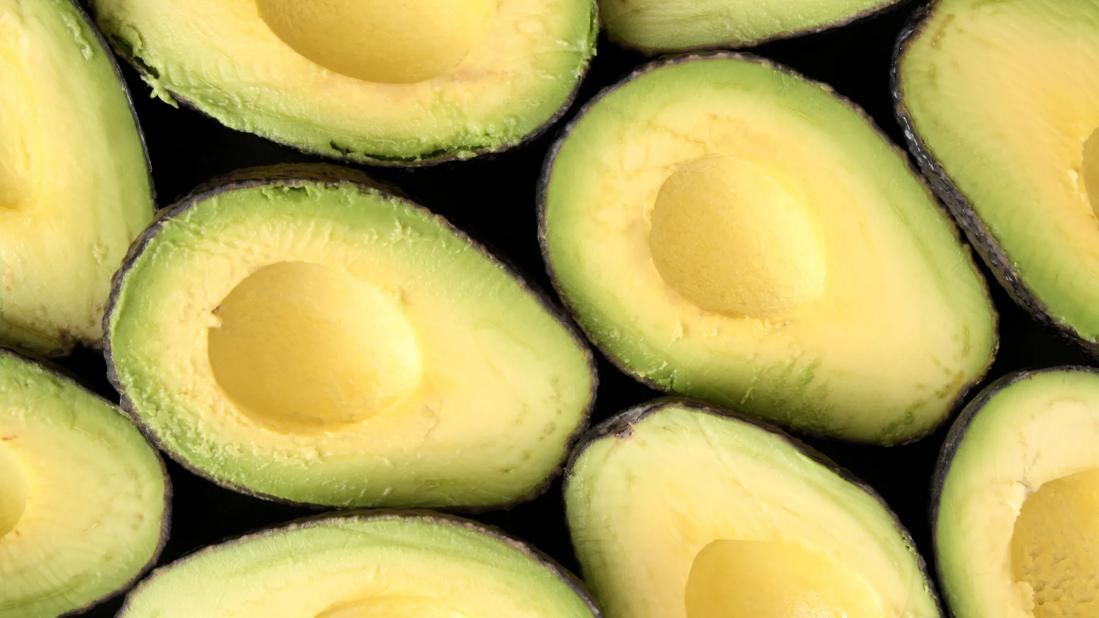
Image content: This image is available to view online.
View image online (https://assets.clevelandclinic.org/transform/95ebe6f5-44f4-408f-b5f3-25c75a2b4691/avocados-157616234)
Many halved and pitted avocados
You may have gotten flak for ordering avocado toast in a pancake-and-sausage world — but you may be onto something. Avocados are as nutritious as they are delicious, and they’re jam-packed with vitamins and nutrients.
Advertisement
Cleveland Clinic is a non-profit academic medical center. Advertising on our site helps support our mission. We do not endorse non-Cleveland Clinic products or services. Policy
Registered dietitian Julia Zumpano, RD, LD, shares some avocado benefits and a few ways to give these wrinkly green fruits a try.
Yes, avocados are healthy. One half of an avocado (100 grams) provides:
It also contains these healthy nutrients:
When it comes to avocado nutrition, they’re also high in monounsaturated fats (the “good” fats). And though most fruits are high in natural sugars, avocados rank very low on the sweetness scale.
“A whole avocado has under 1.5 grams of sugar, while one medium apple, by comparison, has about 19 grams,” Zumpano points out.
Whether you’re adding a slice to a salad or sandwich or dicing them as an ingredient in a more complicated recipe, Zumpano says avocados may:
One of the main avocado health benefits? “Those heart-healthy monounsaturated fats in avocados can help lower your LDL, or ‘bad’ cholesterol,” Zumpano says. “Low LDL levels reduce your risk of heart disease and stroke.”
The American Heart Association recommends that most of the fats you eat should be monounsaturated or polyunsaturated. Avocados fit the bill.
Advertisement
The potassium found in avocados can also help your heart, as the essential mineral is beneficial for blood pressure management and heart health. Low blood potassium can increase your blood pressure.
“Avocados actually contain more potassium than bananas,” she reveals.
Half a large avocado provides about 364 milligrams (mg) of potassium, more than the 420 mg in a whole banana. (Most adults need 2,600 to 3,400 mg of potassium per day.)
Avocados are a good source of fiber, which is a type of carbohydrate that your body can’t digest. You need both soluble and insoluble fiber — and lucky for you, avocados have both.
“Fiber can keep you regular, as well as lower cholesterol and blood sugar,” Zumpano states. Most adults need 25 to 35 grams of fiber per day, depending on age and sex. Half an avocado provides about 7 grams.
Thanks to the high amounts of fiber and healthy fats, research shows that avocados may help you manage your body weight.
“Fiber can help you feel full and satisfied after a meal,” says Zumpano. “Additionally, if you use avocado to replace animal fats, you can enjoy the flavor and nutrients and also cut down on saturated fats.”
Avocados contain lutein and zeaxanthin, powerful carotenoids that have been linked to playing a significant role in eye health. They may help reduce age-related macular degeneration (AMD), retinal detachment and uveitis (inflammation of the middle layer of your eye).
“Lutein and zeaxanthin can help protect your eyes from the damage of sunlight and free radicals,” says Zumpano.
Folate is a B vitamin that’s important for normal cell function and tissue growth. It helps your body form red blood cells and DNA, which is especially critical when you’re pregnant (but still important if you’re not).
“About half an avocado has about 20% of your daily recommended amount of folate,” shares Zumpano.
Researchers believe that lutein, folate, monounsaturated fats and other compounds in avocados may contribute to your overall brain health.
Lutein may help improve your cognitive function, while folate may help regulate your mood. And all those healthy fats play a role in how your blood flows throughout your body.
“Avocado and avocado oil are sources of alpha-linolenic acid, which is the plant form of omega-3 fatty acids,” explains Zumpano. “Omega-3s are a potent antioxidant, which are proven to support brain health by minimizing damage from free radicals and decreasing inflammation.”
Vitamins C and E and other compounds in avocados may protect your skin from oxidative stress and ultraviolet (UV) damage.
“Due to their high fat, antioxidant and nutrient composition, avocado can potentially help moisturize, protect and firm skin,” says Zumpano.
Advertisement
Vitamin K, which is found in avocados, may interact with blood thinners like warfarin. So, if you take blood thinners, talk to your healthcare provider before eating avocados.
People living with IBS (irritable bowel syndrome) may also need to watch how much avocado they eat because avocados are considered a high FODMAP food. Consuming too much could lead to abdominal pain and digestive problems.
Overall, you don’t want to go overboard with avocados. While they’re packed with nutrients, they’re also packed with calories.
The recommended serving size is a 50-gram portion — about a third of a medium-sized avocado — which has about 75 calories. An entire large avocado can add upward of 400 calories to your daily diet.
Like most things, Zumpano says that moderation is key. “As long as you’re paying attention to portion sizes, avocados are a very healthy food to include in your food repertoire.”
There are many ways to enjoy avocados. A ripe-but-not-too-ripe avocado is a time-limited treasure, so dive right in and get creative with your avocado.
You can even swap avocado in for less-healthy fats in your home cooking. Here are some ways you can add this smooth, creamy fruit to your diet:
Advertisement
“Avocados are a great addition to a healthy diet, and there are hundreds of varieties to choose from, ranging from big to small and wrinkly to smooth,” encourages Zumpano.
Advertisement

Sign up for our Health Essentials emails for expert guidance on nutrition, fitness, sleep, skin care and more.
Learn more about our editorial process.
Advertisement
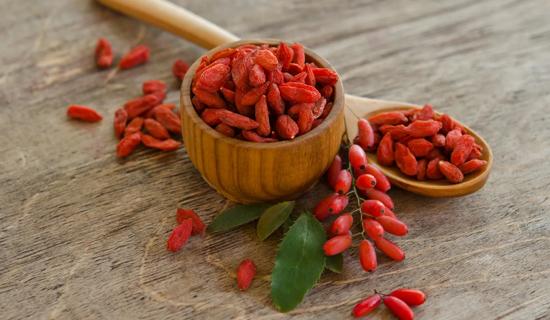
These bright berries are packed with nutrients and antioxidants that may support your eyes, immune system and overall well-being

The general rule is 1.2 to 1.6 grams of protein per kilogram of body weight — but that may not be exactly right for you
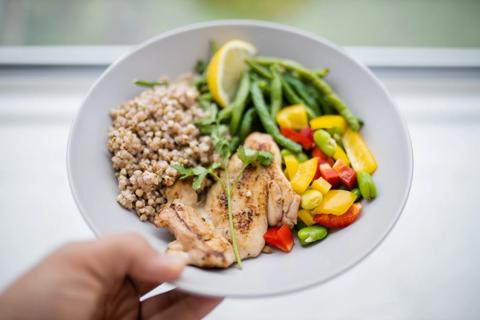
Prepping ingredients ahead of time, rethinking your snacks and making smart protein swaps can up your daily intake

It’s a good on-the-go option and can help build muscle and aid in weight loss
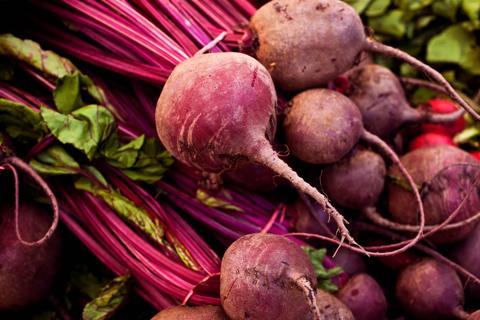
From fighting inflammation to boosting athletic performance, this colorful root veggie offers plenty of health benefits

A mango a day may help keep hunger and bloating away

These tinned fish are rich in nutrients that support whole-body health

Anchovies are packed with nutrients, but be cautious of salt-cured options

Gradually increasing your training, choosing proper footwear and listening to your body can help keep shin pain from sidelining your workouts

Self-stimulating behaviors can help you self-regulate or cope with intense emotions

At-home remedies may help calm symptoms and make it easier to relax at bedtime











