Locations:





After knee arthroplasty, swelling-related pain is common, but infection and blood clots are also risks
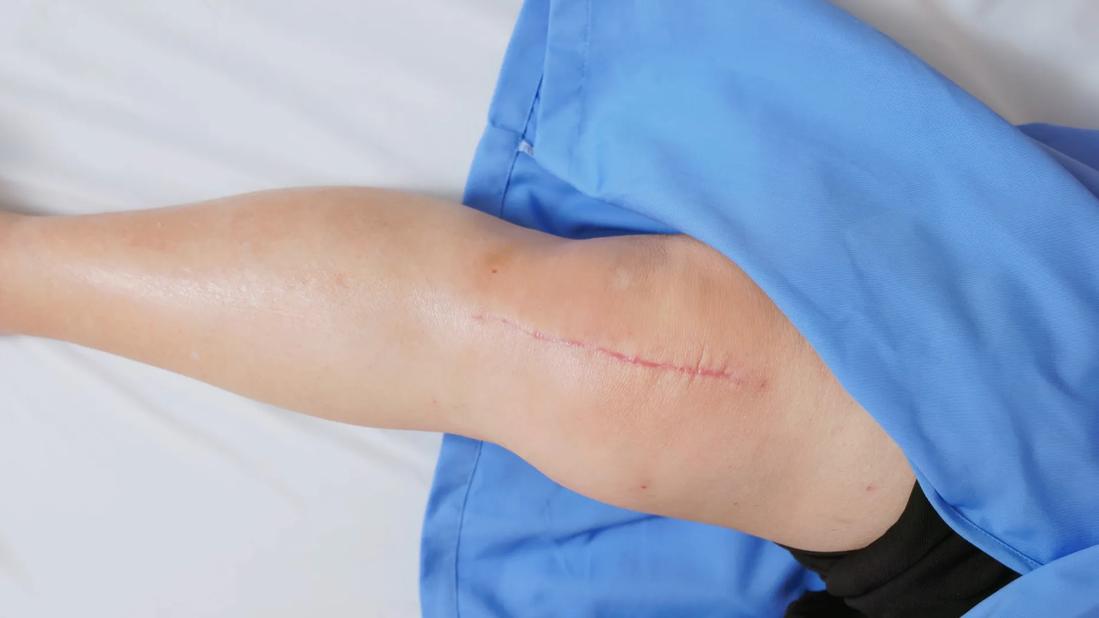
Image content: This image is available to view online.
View image online (https://assets.clevelandclinic.org/transform/730260ca-9268-4441-b549-82614f92a4d5/post-knee-surgery-2220268425)
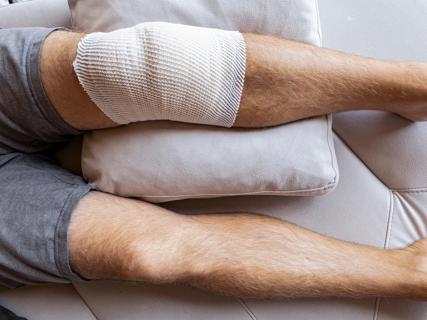
Knee with surgery scar
You had total knee replacement surgery because you were hoping to find relief from debilitating pain. But after surgery, you’re still hurting.
Advertisement
Cleveland Clinic is a non-profit academic medical center. Advertising on our site helps support our mission. We do not endorse non-Cleveland Clinic products or services. Policy
What gives? What causes pain after a knee replacement, and when can you expect to feel better?
First things first: You’ve just had surgery! Some degree of pain is to be expected in the days, weeks and even months after a knee replacement (aka knee arthroplasty).
“Recovery from surgery can take several months,” confirms orthopaedic surgeon Michael Erossy, MD, “so it’s not unusual to still have soreness in the knee that was replaced.”
Right after surgery, pain is often related to swelling. But you could also experience an infection, a blood clot or a problem with the hardware inside your knee, among other possibilities. Let’s take a closer look.
Postoperative edema, or swelling after surgery, is when fluid builds up in the tissues around your incision. It’s usually a sign of healing. But it can be painful, too.
“Though swelling is a normal response after surgery, it’s often a major source of pain for patients,” Dr. Erossy says.
Before you’re discharged from the hospital, your care team will teach you how to reduce swelling and manage your pain by using cold packs, taking medication and elevating your leg. Gentle movement, like walking, also helps decrease swelling and prevent complications like blood clots.
Advertisement
After a total knee replacement, you’ll start physical therapy to regain your strength and learn to use your new knee. This can cause pain or discomfort, but it’s important to stick with it.
“As the intensity of rehabilitation exercises increases, you’re putting more strain on muscles and joints that you haven’t used in a period of time,” Dr. Erossy explains. “Bending and stretching your knee may hurt at first, but re-training your body to move normally will help with recovery in the long run
But always communicate with your physical therapist, so they know what you’re feeling. If something really hurts or just doesn’t feel right, it’s important to speak up.
After a total knee replacement, one of the biggest risks is an infection, whether superficial (at the surgical site) or deeper into the joint (around the implant itself). In addition to pain, signs of an infection after knee surgery include:
“Infections after knee replacement surgery can be notoriously difficult to manage and to treat,” Dr. Erossy notes, “so the best medicine is prevention.”
A big part of that prevention happens before surgery, when your care team works with you to manage chronic conditions, like diabetes, that can cause complications. You’ll also need to quit smoking, as it raises your risk of infection.
“Proper preparation will give you the best outcome and lowest risk of any kind of infection after the surgery,” he adds.
After surgery, a blood clot can travel to your lungs and cause serious complications. A blood clot that starts in your leg is called deep vein thrombosis, or DVT. Warning signs include:
If you develop any of these symptoms, call 911 (or an emergency line) immediately.
“You’ll be given medication after surgery to prevent blood clots,” Dr. Erossy says. “And another key factor in prevention is mobility. Getting up and moving right away helps prevent blood clots and also helps overall with pain and recovery.”
Scar tissue forms to repair damaged skin after an injury or surgery. But sometimes, too much scar tissue can form around a joint, which can cause pain and restrict your movement. This is called arthrofibrosis.
To help prevent or treat mild scar tissue buildup, follow your provider’s instructions for:
Advertisement
If you have significant stiffness and decreased range of motion in your knee, it’s important to talk to your healthcare provider. In severe cases, you may need additional surgery to remove the scar tissue.
Though uncommon, some people experience lasting nerve pain after knee replacement surgery. It can feel like:
Modern knee implants are made to last, but problems can arise over time.
“The polyethylene plastics we use nowadays are incredibly strong, but theoretically, implants can wear out over time,” Dr. Erossy explains. “Fortunately, it doesn’t happen as often as it used to.”
Wear and tear — along with other factors, like infection and stress on the knee — can cause your implant to loosen, which can cause pain and a feeling of instability in your knee. This may require additional surgery to correct.
No matter your age or physical ability, you’re at a higher risk of falling after joint replacement surgery. Falling can lead to periprosthetic fracture, a broken bone around your prosthesis, like your thigh bone (femur), shin bone (tibia) or kneecap (patella).
Advertisement
“These types of injuries can sometimes require more surgery,” Dr. Erossy cautions. So, it’s important to try to prevent falls by not pushing yourself to do more than you’re able.
When you’ve had surgery to address pain in your knee, it can be frustrating to continue to feel it after surgery. But be kind to your body while it heals. It takes some time!
“Pain in the knee following your operation can last from six months to as long as one year,” Dr. Erossy says, “but don’t get discouraged. Once it’s fully healed, knee replacement surgery will help provide pain relief and improve your knee function in the long term.”
If you’re experiencing pain that doesn’t start to ease (or that gets worse) within a few months of surgery, follow up with your healthcare provider to try to figure out the cause.
Advertisement

Sign up for our Health Essentials emails for expert guidance on nutrition, fitness, sleep, skin care and more.
Learn more about our editorial process.
Advertisement
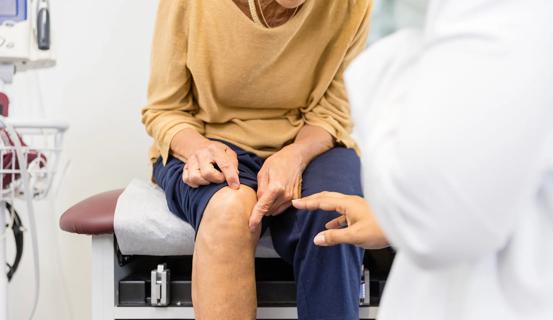
Like other surgeries, there are small risks for complications and potential long-term restrictions
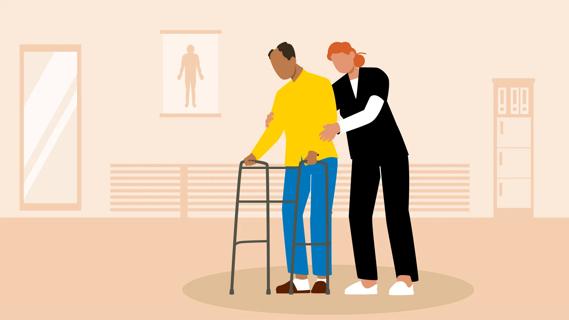
Full recovery takes a year or more, but you’ll likely be walking and driving within a few weeks if you follow your provider’s recovery plan

Nighttime knee pain could be from inflammation, injury or another condition that gets worse with pressure and positioning
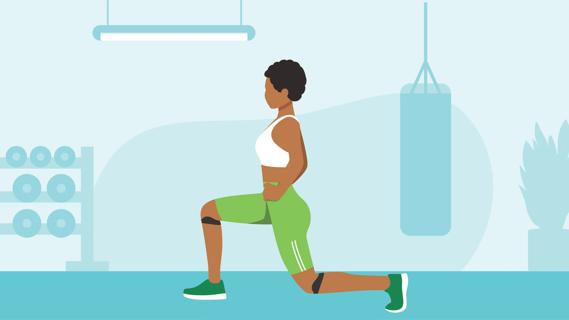
The adjustable strap offers added stability that can reduce irritation to your patellar tendon

Arthritic knees can benefit from bridging, mini squats, balancing exercises and other stretches
You may have to keep your leg straight, but you can sleep in any position
Keep the area clean and monitor your incision site for discharge, odor or a change in appearance
Running doesn’t cause knee arthritis, but you can take steps to minimize cartilage damage

Managing your weight through physical activity may lower your chances of getting this common cancer

It typically starts in October and winds down in early spring, with cases at their highest in the middle of winter

Anxiety disorders, health conditions and past trauma can make driving nerve-wracking — help is available
 Search










