Locations:





 Search
As long as it’s done correctly, knuckle cracking is safe
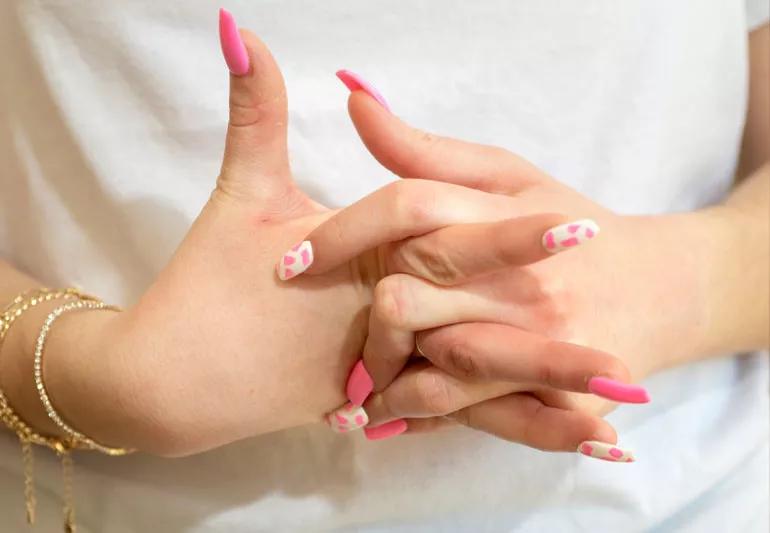
Image content: This image is available to view online.
View image online (https://assets.clevelandclinic.org/transform/6ce57ad2-2eff-4ade-9687-27843b2b85b1/crackingKnuckles1-030321-DG-770x533-1_jpg)
girl cracking her knuckles
The sound of knuckles cracking signals relief for some and sends others running for the hills. Whether you’re a habitual knuckle cracker or cringe at the thought, you’ve probably heard that cracking your knuckles enlarges them or causes arthritis in your fingers. But is that really true?
Advertisement
Cleveland Clinic is a non-profit academic medical center. Advertising on our site helps support our mission. We do not endorse non-Cleveland Clinic products or services. Policy
Nope! Conventional wisdom is wrong when it comes to knuckle cracking. As long as you’re cracking them correctly, you’re not damaging your joints.
We talked to orthopaedic surgeon Kim Stearns, MD, to find out what’s actually happening when you crack your knuckles, and whether that momentary satisfaction comes with long-term consequences.
According to Dr. Stearns, cracking your knuckles releases gas — in the form of nitrogen bubbles — from the space around your joints. The sound is triggered as the bubbles are compressed.
“Researchers aren’t sure if the sound emitted from cracking your knuckles is that of gas bubbles being formed or released,” he notes. “But either way, it’s just gas.”
We’ve established that cracking your knuckles correctly won’t enlarge them or cause you to develop arthritis. But that doesn’t mean there aren’t any risks associated with the practice.
As is so often the case, technique matters. Don’t pull or press with too much force, and be mindful of direction. You’ll know quickly if you’ve made a mistake because it’ll hurt, and cracking your knuckles isn’t supposed to hurt.
If you happen to notice swelling (or if your fingers appear crooked), Dr. Stearns advises that you go to the doctor. You may have injured a ligament or even dislocated your finger.
Advertisement
While a 1999 study found weaker hand grips and more hand swelling among knuckle-crackers, those findings haven’t held up particularly well over the decades.
And a 2017 study found exactly the opposite: There was no difference in grip strength between knuckle crackers and non-knuckle crackers. That same study did find a difference in metacarpal head cartilage thickness — which can indicate osteoarthritis — but didn’t go so far as to suggest knuckle cracking caused it.
While the existing research on knuckle cracking is thin, the available evidence tells us that there are few, if any, long-term side effects to be concerned about.
A 2011 study looked at what they called “crack years” to see if the amount of knuckle cracking one does over time might impact their risk for osteoarthritis.
The news was good: It appears that the amount and duration of knuckle cracking do nothing to increase (or decrease) your risk of joint swelling or osteoarthritis.
Knuckle cracking isn’t good for you or bad for you. It’s just a thing people do. For some, it feels like the only way to alleviate stiffness. For others, it’s just a habit. Some people do it for the noise or because it’s fun to send non-knuckle crackers running out of the room.
Whatever your reason, rest assured: Cracking your knuckles actually is all it’s cracked up to be.
Advertisement

Sign up for our Health Essentials emails for expert guidance on nutrition, fitness, sleep, skin care and more.
Learn more about our editorial process.
Advertisement

Fish, cruciferous veggies, turmeric, yogurt, ginger and green tea all reduce inflammation
It’s a normal, common occurrence, but popping with pain or swelling may be a sign of an injury
The goal is a balance of aerobic activity, flexibility exercises and muscle strengthening

Preventing flare-ups and treating the underlying cause are key to finding relief
These creams that you apply to your skin can actually help reduce localized pain, swelling and inflammation
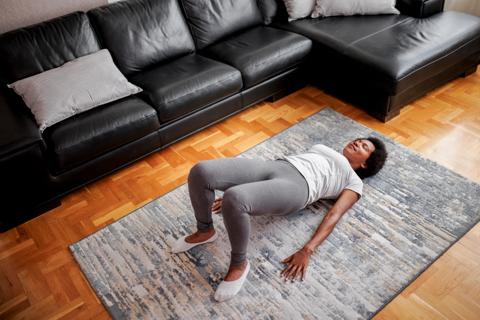
Arthritic knees can benefit from bridging, mini squats, balancing exercises and other stretches
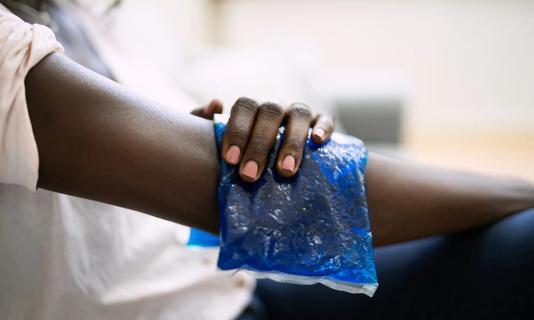
20 minutes is the max — and you may actually need a lot less
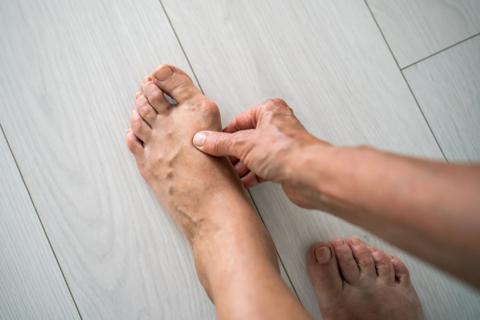
Wearing shoe inserts, maintaining a healthy weight and using cold or heat therapy may give you relief

Gradually increasing your training, choosing proper footwear and listening to your body can help keep shin pain from sidelining your workouts

Self-stimulating behaviors can help you self-regulate or cope with intense emotions
At-home remedies may help calm symptoms and make it easier to relax at bedtime











