Locations:





These steps can boost your well-being and protect your health (and energy!) for years to come.
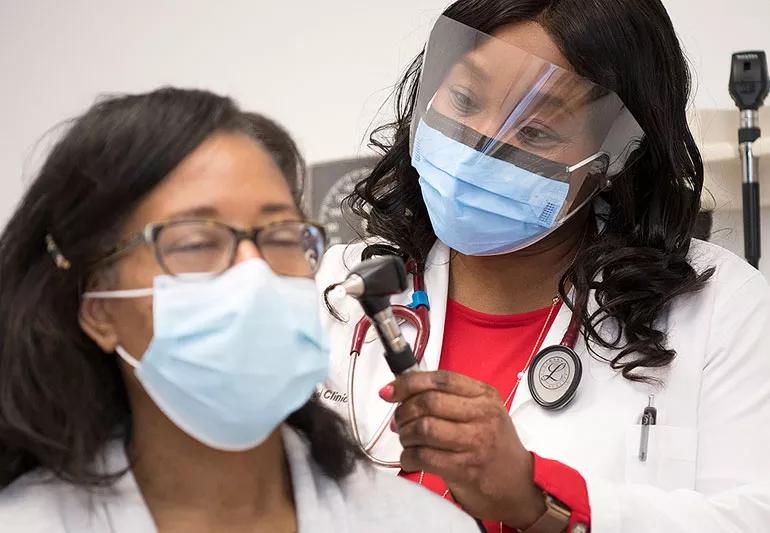
Image content: This image is available to view online.
View image online (https://assets.clevelandclinic.org/transform/7f5a2ee9-57ea-4fc6-8682-230b8cea06c2/patientWellnessVisit-020921_MK_770x533_jpg)
woman at wellness visit with doctor
If you’ve ever put your own needs on the back burner because you have so many other demands on your time — job, partner, kids, parents or even the dog! — you’re not alone. Women juggle a lot and often place themselves at the bottom of the to-do list.
Advertisement
Cleveland Clinic is a non-profit academic medical center. Advertising on our site helps support our mission. We do not endorse non-Cleveland Clinic products or services. Policy
But to get the most out of life (and to help others), you have to care for yourself, too. Ob/Gyn Edward Chien, MD, MBA, shares six health and wellness tenets to follow for big personal payoffs, now and in the future.
Staying in shape is not just about a healthy weight. Exercising improves your health, helps you sleep better and boosts your mood.
“It also makes everyday activities easier, from lifting a toddler to tying your shoes to running down an airport terminal to catch a flight,” Dr. Chien says.
You don’t have to toss huge tires or run a marathon (unless that’s what you love to do!) to be fit. Aim for exercising 150 minutes a week (think: 30 minutes a day for five days). Do a mix of heart-thumping cardio and muscle-building moves.
Trendy diets come and go, some healthier than others. But what makes the most sense is to pick a healthy eating pattern that you can stick to long-term.
Consider the Mediterranean diet or the DASH diet, both heart-healthy ways of eating. Or talk to your doctor about the best diet for your particular health goals.
You may never be a morning person, but a good night’s sleep can help you feel more chipper and think clearly. It’s also essential for good health. A solid sleep lowers your risk of getting sick or developing serious illnesses like diabetes and heart disease.
Advertisement
Adults need seven to nine hours of sleep a night. But many factors can get in the way of falling or staying asleep, like late-night worrying or even staring at a screen (hello, phone scrolling) right before bedtime. Create a sleep routine to help you get back on track.
“Stress is a normal part of life, so figuring out how to manage it is crucial for releasing tension that builds up throughout the day,” Dr. Chien says. Learn how to combat burnout and frustrations in a way that works for you.
Often called self-care, stress relief comes in various forms, from meditation or yoga to beauty rituals, playing sports or spending time on a hobby. Think about what helps you relax and how you can prioritize that, even if only for a few minutes a day.
Protecting your sexual health is important at every stage of life. You may need help figuring out what birth control method is right for you or troubleshooting a low sex drive. You may wonder if your period is normal or what to do to help you conceive. And there are so many questions around menopause, like how it affects your mood, weight, hair and skin.
Your friends may have some good tips, but the most trusted source of information is your Ob/Gyn. Be sure to voice your concerns and ask questions at your checkup. “Don’t feel embarrassed, no matter the topic — doctors have heard it all,” Dr. Chien promises.
You won’t need a Pap test (a screening for cervical cancer) every year, but your visit may include pelvic and breast exams.
Getting a regular checkup is essential for staying healthy. It gives you a chance to ask questions. And it gives your doctor the opportunity to spot problems early when they’re easier to treat. Some women get a physical exam every year, while others wait a few years — ask your doctor how often you should go.
Your primary care doctor will recommend health screenings based on your age and family history, too. These tests can discover early-stage diseases like breast cancer, osteoporosis and colorectal cancer. Don’t skip them — a health screening could save your life!
“Making your well-being a priority isn’t selfish, it’s smart,” Dr. Chien says. Staying on top of your health is essential to living the life you want — whatever that looks like for you.
Advertisement

Sign up for our Health Essentials emails for expert guidance on nutrition, fitness, sleep, skin care and more.
Learn more about our editorial process.
Advertisement

Women’s health is more than gynecological care — it addresses chronic conditions and mental health concerns, too

Managing your weight through physical activity may lower your chances of getting this common cancer

Not all breast lumps signal cancer, and not all breast cancer causes lumps — it’s important to know the facts
The kind of testing you need depends on your symptoms

Spoiler alert: Douching and feminine odor products cause more problems than they solve
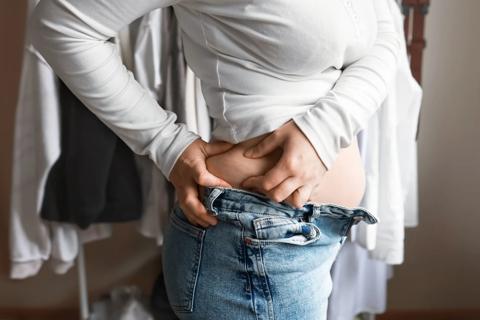
Aging and hormonal changes around menopause can shift where your body stores fat, depositing it around your midsection

Hormonal changes, a slower metabolism and muscle loss can make weight gain more common around menopause — healthy habits can help you manage it
BRCA1/2 gene mutations can raise your risk for breast, prostate and other cancers — genetic testing can help you take proactive steps
Managing your weight through physical activity may lower your chances of getting this common cancer
It typically starts in October and winds down in early spring, with cases at their highest in the middle of winter

Anxiety disorders, health conditions and past trauma can make driving nerve-wracking — help is available
 Search










