Locations:
Search IconSearch

30 Facts About Your Heart

Your life depends on this incredible organ doing its job 24/7
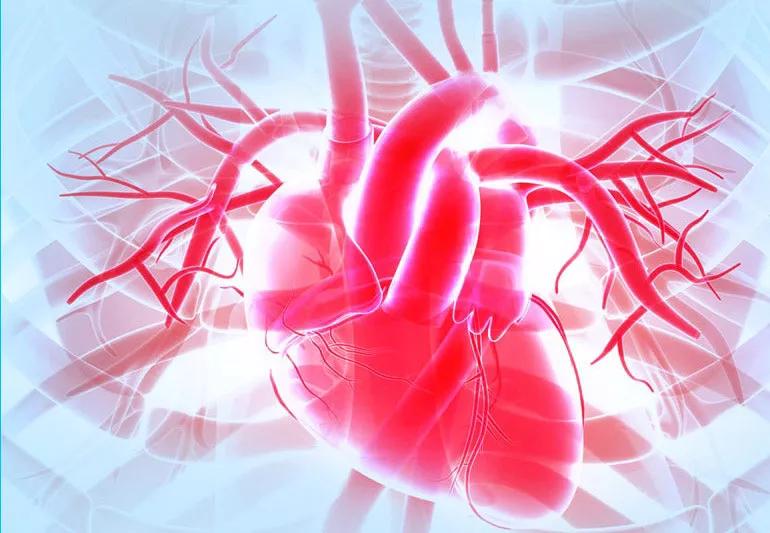
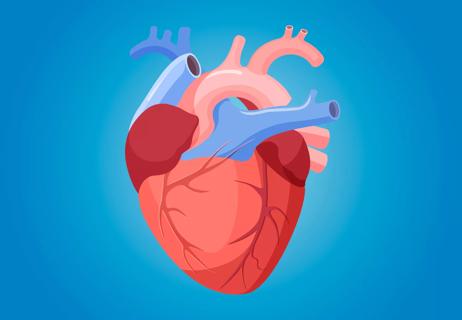
Illustration of a heart in a human chest

As you go through your day, you probably don’t spend much time thinking about your heart and all that it’s doing. But let’s take a few moments to appreciate this life-sustaining organ in your chest.

Advertisement

Cleveland Clinic is a non-profit academic medical center. Advertising on our site helps support our mission. We do not endorse non-Cleveland Clinic products or services. Policy

Your heart starts beating well before you’re born and continues its rhythmic work until the day you die. That’s just the start (and end) of its amazing story, though.

Here are a few more heart-related facts, courtesy of cardiologist Brian Griffin, MD.

  1. Your heart beats about 100,000 times per day. During the average person’s lifetime, their heart beats more than 2.6 billion times. (Your pulse is a way you can feel your heart beating.)
  2. The beating sound from your heart — lub-dub, lub-dub, lub-dub — is from the clap of valve leaflets opening and closing.
  3. A typical human heart valve is about the size of a half dollar.
  4. Each minute, your heart pumps nearly 1.5 gallons (5.7 liters) of blood. That’s a pump flow rate that could fill an Olympic-sized swimming pool in less than a year. (Talk about a gold medal effort!)
  5. Your adult-sized heart is about the size of two hands clasped together. A child’s heart is about the size of a single fist.
  6. Location is everything in life, right? That’s true for your heart, too. It’s located in the front of your chest, slightly behind and to the left of your breastbone. Your ribs offer extra protection for the vital organ.
  7. To make room for your heart, your left lung is slightly smaller than your right lung.
  8. Your heart weighs somewhere between 7 ounces and 15 ounces (200 grams to 425 grams), or less than a pound. The average male’s heart weighs 2 ounces (57 grams) more than the average female’s heart.
  9. For comparison’s sake, a blue whale — the world’s largest animal — has a heart weighing more than 1,000 pounds. A person could easily crawl through the aorta in that sized heart.
  10. The smallest animal heart can be found in fairyflies. You’d need a microscope to see the ticker in this tiny insect.
  11. Your heart works as a coordinated machine. The right side of your heart pumps “used” blood from your body into your lungs, where it refills with oxygen. The left side of your heart then pumps re-oxygenated blood back into your body.
  12. Almost every cell in your body gets blood from your heart. The outliers can be found in the corneas of your eyes.
  13. Your heart pumps blood through about 60,000 miles (96,000 kilometers) of blood vessels. To put that in perspective, this blood tubing system could circle the Earth at the equator TWICE.
  14. A female’s average heartbeat is faster than a male’s by almost eight beats a minute. The reason? Because their hearts are usually smaller in size, females need their hearts to beat more to pump the same amount of blood.
  15. A typical heart pumps approximately 4 tablespoons of blood with each beat.
  16. Your heart has its own electrical supply and will continue to beat even when separated from your body. This specialized network of cells is known as the heart’s electrical conduction system.
  17. Heart disease is the greatest single threat to your health and the leading cause of death globally. The good news? You can help manage your heart health through dietary choices, regular exercise and stress management.
  18. It’s true that some heart problems can be inherited. It’s also true that you can minimize their impact by managing blood pressure and cholesterol through a heart-healthy lifestyle. (See #15.)
  19. Runners have a 45% lower risk of heart disease or stroke.
  20. Cardiac health is an age-old issue, as evidence of heart disease has been found in 3,000-year-old mummies.
  21. Research shows that Monday — the start of the traditional work week — is the most common day of the week to experience a heart attack. It’s a phenomenon known as the “Blue Monday” effect.
  22. The holiday season is also heart attack season. More cardiac deaths occur on December 25 than any other day of the year. The second and third-deadliest days are December 26 and January 1.
  23. A joke a day may help keep the heart doctor away, as laughing can improve heart health by lowering stress and relaxing blood vessels. Happiness can lower your risk of heart disease, too.
  24. Why does the heart symbolize love? Probably because of the pitter-patter you feel in your chest when Cupid’s arrow strikes. (But in truth, your brain controls love — but that would make for a lousy Valentine’s Day symbol.)
  25. Despite your heart not being part of making a love connection, it can still be broken when relationships take a bad turn. An emotionally driven condition known as “broken heart syndrome” can temporarily weaken your heart muscle.
  26. Heart cancer is very rare because heart cells stop dividing in adulthood, making them more resistant to the sort of mutations that can lead to cancer.
  27. Modesty prompted the invention of the stethoscope, that iconic medical tool that healthcare providers use to listen to your heart. Before it existed, doctors had to press an ear directly to the chest of their patient.
  28. The world’s first “stopped-heart” surgery took place at Cleveland Clinic in 1956. Today, this type of surgery — which uses a machine to pump blood throughout the body while the heart is stopped during an operation — is commonplace.
  29. A cardiac surgeon at Cleveland Clinic pioneered coronary artery bypass surgery in the late 1960s. The surgery restores blood flow to areas of the heart using blood vessels transplanted from other parts of the body.
  30. Each year, more than 2 million people around the world have open-heart surgery to address various heart conditions.

Advertisement

Advertisement

Learn more about our editorial process.

Related Articles

Two people sitting on couch with hands clasped, having serious conversation
December 8, 2025/Brain & Nervous System
How To Tell Others About Your SPMS Diagnosis

Practice conversations ahead of time, explain what your diagnosis means and be specific about how others can support you

Person sitting outside on patio, prepping their garden, planting flowers, with their cat
December 8, 2025/Mental Health
How To Relax: 7 Techniques To Try

Breathing, exercise, mindfulness and more can help you unwind and step away from your stress

Person surrounded by social media podcasts and information
December 8, 2025/Mental Health
Is It Possible To Become Addicted to Social Media?

It isn’t a recognized mental health disorder, but research shows that problematic social media use can negatively affect your mental health, self-esteem and sleep

Person staring out cafe window looking sad, with reflecting holiday lights on window from busy street
December 5, 2025/Mental Health
How To Handle Holiday Depression

Connecting with others, giving back and stepping away from social media can all help you cope

Person walking up flight of stairs outside
December 4, 2025/Heart Health
8 Ways To Improve Your Heart Health

Move a little more, eat a little healthier, sleep a little better and destress a lot
Person standing on beach in bikini, with sagging skin on butt and upper legs
December 3, 2025/Diabetes & Endocrinology
How To Avoid ‘Ozempic Butt’

Weight loss may cause loose, sagging skin and muscle loss to your rear

Hand holding a salt shaker
December 3, 2025/Heart Health
Can Salt Raise Your Blood Pressure?

Eating too much salt can put extra pressure on your blood vessels and heart

Person picking up dumbell off rack at gym
December 2, 2025/Diabetes & Endocrinology
Can Ozempic Cause You To Lose Muscle?

Rapid weight loss from the medication may decrease your overall muscle mass

Trending Topics

Assorted foods high in vitamin D, like salmon, with a vitamin D supplements
3 Foods High in Vitamin D

The ‘sunshine vitamin’ is found naturally in some fish and is added to other foods

Child standing on desk, disrupting the class
Understanding AuDHD

Autism and ADHD often go hand in hand, giving rise to the term AuDHD

Hands with red polished nails holding a packet of contraceptive, birth control pills
Can Your Birth Control Double as Emergency Contraception?

The Yuzpe regimen is less effective than other forms of emergency contraceptives, and it’s associated with more side effects

Ad