Locations:





Potatoes aren’t the enemy — here’s why and how to eat them
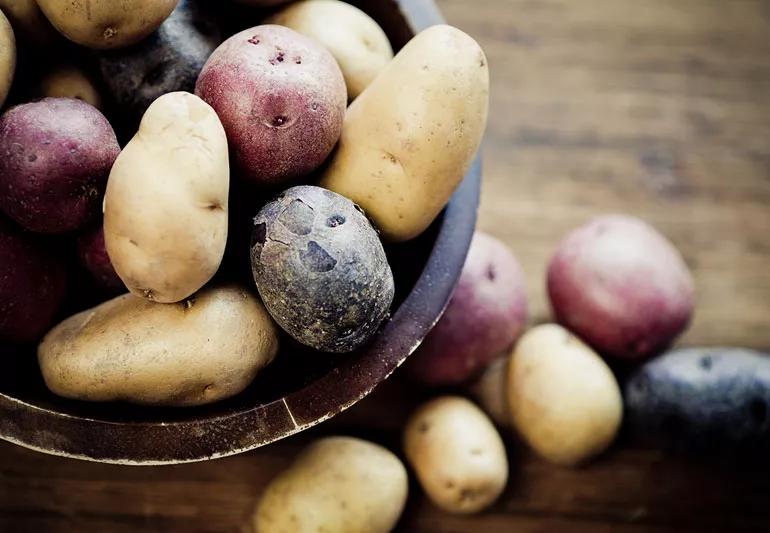
Image content: This image is available to view online.
View image online (https://assets.clevelandclinic.org/transform/d4857c07-fd63-46d3-b726-1a704b806c3a/healthyPotatoes-154919811_jpg)
Different kinds of potatoes in a bowl
Of all the vegetables Americans eat, potatoes are among the most popular – the average American eats about 55 pounds of potatoes a year. Some people call potatoes diet-wreckers. But others say they’re fine to eat.
Advertisement
Cleveland Clinic is a non-profit academic medical center. Advertising on our site helps support our mission. We do not endorse non-Cleveland Clinic products or services. Policy
Registered dietitian Andrea Dunn, RD, explains the benefits of potatoes and how you can enjoy them without sabotaging your healthy eating goals.
Are potatoes a vegetable or a starch? This age-old question can lead to arguments about their health benefits. After all, calling something a vegetable seems to magically change it into a healthier food.
“Potatoes are put in the starchy vegetable category, due to the amount of carbohydrates they contain,” says Dunn. “But they are a type of vegetable and they contain plenty of vitamins and minerals.”
The two main types of vegetables are starchy and non-starchy. Starch is a type of carbohydrate that we find in lots of foods. Other types of carbs are fiber and sugar.
Starchy vegetables are higher in total carbohydrates than their non-starchy counterparts. Usually, this means starchy veggies are higher in calories, too. Other starchy vegetables include:
Non-starchy vegetables include:
But the higher calorie content doesn’t make potatoes a diet no-no. Like any food, potatoes are fine to eat in moderation.
“Healthy food choices should include a variety of starchy and non-starchy vegetables,” says Dunn. “In fact, the new Dietary Guidelines for Americans includes up to 5 cups a week of starchy vegetables for those needing 2,000 calories a day.”
Advertisement
Potatoes come in many varieties that differ in taste, texture and color. Some of the most common types include:
Each type varies slightly in terms of its vitamin and mineral content. But the differences are pretty small.
And sweet potatoes aren’t a type of potato, despite their name. “Sweet potatoes come from a different plant family than potatoes so their nutrition content is different,” says Dunn. “One of the main differences is that sweet potatoes contain vitamin A and white potatoes don’t.”
Potato nutrition
Wondering if potatoes measure up to other veggies in terms of nutrition? One medium-sized russet potato baked with skin offers:
To get the full nutrition, don’t peel your potatoes. “The skin has half of the potato’s fiber content and many of its nutrients,” says Dunn.
One of the reasons people may avoid potatoes when they’re trying to eat healthy is because of the cooking method, not the vegetable itself. Any food soaked in butter, deep fried or topped with sour cream will pack on the calories. Not to mention all the excess salt that often goes along with them (hello, bloating).
But potatoes can be a healthy and delicious choice if you use these cooking methods:
Be mindful of what you put on top. “Try a drizzle of olive oil with chives instead of sour cream, butter and salt,” says Dunn.
Looking for some ideas that add a little zip to your potatoes without all the calories? Try these recipes for healthy and tasty ways to enjoy your spuds.
Potatoes aren’t the diet villain they’ve been made out to be. Skip the fries and enjoy your potatoes using healthy cooking methods. And be sure to include plenty of other fruits and veggies in your diet, too.
Advertisement
Advertisement

Sign up for our Health Essentials emails for expert guidance on nutrition, fitness, sleep, skin care and more.
Learn more about our editorial process.
Advertisement

This caffeinated South American tea contains antioxidants and other nutrients that may offer some health benefits
Protein is essential in your diet, but piling more onto your plate isn’t always better
Choosing snacks with protein can help curb hunger, support muscle health and keep your energy steady between meals
Fish packs plenty of protein, heart-healthy fats and other body-boosting nutrients into every bite
Both are healthy choices, but wild-caught salmon offers a few more benefits
These bright berries are packed with nutrients and antioxidants that may support your eyes, immune system and overall well-being
Prepping ingredients ahead of time, rethinking your snacks and making smart protein swaps can up your daily intake
It’s a good on-the-go option and can help build muscle and aid in weight loss

Most breast pain isn’t a sign of cancer, but certain symptoms deserve a closer look

It’s a myth that you should avoid sleep (or have someone wake up throughout the night) after a head injury

The color and shade of your urine offer a window to your health
 Search










