Locations:





This experimental peptide isn’t approved to treat or prevent any health condition
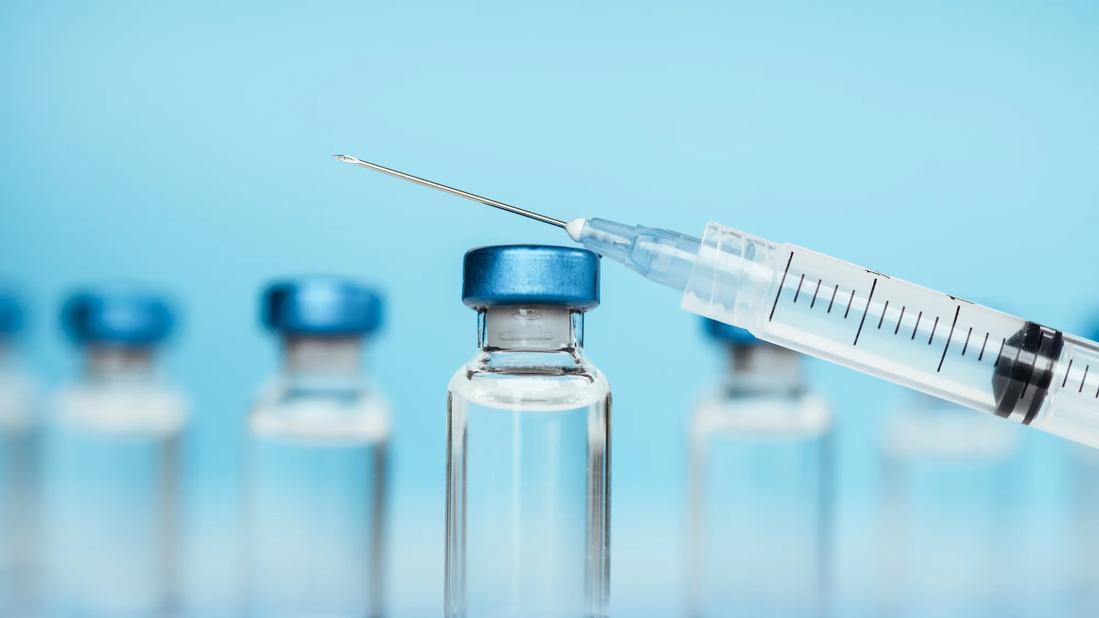
Image content: This image is available to view online.
View image online (https://assets.clevelandclinic.org/transform/0e0ca138-9683-4be0-b0c3-60feebe023d9/BPC-157-1252804958)
Glass vial of medicine with syringe balanced against it
If you’re a fitness buff, you may have heard about Body Protection Compound-157, more commonly known as BPC-157. Popular influencers claim that this experimental peptide can do it all, from helping your muscles recover more quickly after a workout to preserving your brain health as you age. But is it too good to be true?
Advertisement
Cleveland Clinic is a non-profit academic medical center. Advertising on our site helps support our mission. We do not endorse non-Cleveland Clinic products or services. Policy
The honest answer is: We don’t know yet. And neither do the people hyping it up.
Lifestyle, obesity and functional medicine specialist Layth Tumah, MD, explains why you should skip BPC-157, at least for the time being.
BPC-157 is a synthetic peptide, a short chain of amino acids created in a lab. It’s based on a substance found in gastric juices. It’s an experimental compound that the U.S. Food and Drug Administration (FDA) hasn’t approved for use in humans. That means you can’t legally market or sell it as a pharmaceutical.
“It’s a drug candidate that’s essentially stuck in the early stages of the clinical research pipeline,” Dr. Tumah says. “We simply haven’t done human clinical studies to establish safety or efficacy — most of the research that’s been done is preclinical.”
The excitement around BPC-157 centers around its potential to speed healing. Early preclinical studies suggest that the peptide may encourage angiogenesis, the creation of new blood vessels that support soft tissue repair.
But there’s an important catch.
“We understand how BPC-157 might work in a test tube. But that doesn’t mean it’ll work the same way — or have the same effect — in people,” Dr. Tumah notes.
Advertisement
Despite being touted as a miracle cure by popular wellness and fitness influencers, there’s no proof that BPC-157 can cure, treat or prevent any health condition. But that’s not stopping people from claiming it can:
While early results may be promising, there’s no way to know if BPC-157 will work in humans the same way it works in those studies.
That doesn’t mean BPC-157 isn’t worth researching. If this peptide can do what advocates claim, it could be very important.
“BPC-157 is an exciting area of research,” Dr. Tumah notes. “We just aren’t that far along yet. Most of the things people are claiming it can do haven’t been tested in humans, so we’re still years away from getting the compound approved as a treatment for any condition.”
Because BPC-157 hasn’t been studied extensively in humans, we don’t know how safe it is or what kind of side effects it could cause.
And as it can’t legally be sold as a pharmaceutical in the U.S., the only place to get BPC-157 is online, where it’s sold for “research purposes only.” It’s one of many substances on what Dr. Tumah calls “the gray market.”
“I draw a distinction between the safety of the actual compound and the safety of the places you get it from because those are two different things,” he shares. “One of the major concerns that we have now is the sourcing of these products.”
If you use BPC-157 now, you run several risks. The experimental compound may:
Advertisement
If you’re considering BPC-157, it’s vital to talk to a healthcare provider first.
“The best time to see your doctor about BPC-157 is before deciding to use it,” Dr. Tumah urges. “Have a conversation about the pros and cons.”
If you do decide to use it, your provider will need to account for it when interpreting test results and monitor you for possible complications. It also allows them to pass along more complete information if you have a medical emergency, which will help emergency workers prevent (or address) unexpected medical outcomes or complications.
Competitive or professional athletes should be extra transparent about their use of BPC-157, too.
“Depending on the body that’s overseeing your sport, it may be a banned substance,” Dr. Tumah cautions.
There may be reason to be excited about BPC-157. Early research suggests it may deserve at least some of the hype it’s getting. But it could also carry unknown risks, especially if you’re purchasing it through the gray or black market.
Until we have more scientifically sound information about it, Dr. Tumah recommends sticking with the basics.
“Healthy eating, regular exercise and other healthy lifestyle habits should always come first,” he advises. “Those are the foundations of health, and they need to be addressed before looking to experimental therapies.”
Advertisement

Sign up for our Health Essentials emails for expert guidance on nutrition, fitness, sleep, skin care and more.
Learn more about our editorial process.
Advertisement

This amino acid is touted for relaxation and mental clarity, but current research remains inconclusive

Leucine is an amino acid that helps you build muscle — it’s found in both plant and animal protein
Potential benefits include improved blood flow, which may help with athletic performance

Complete proteins contain all of your essential amino acids

The popular salon service aims to give you smooth, shiny, frizz-free hair

Managing your weight through physical activity may lower your chances of getting this common cancer

Physical activity, even a couple times a week, can potentially benefit your sex life and overall health over time

It helps to build up your strength and balance before tackling these more resistance-heavy TRX exercises
Managing your weight through physical activity may lower your chances of getting this common cancer

It typically starts in October and winds down in early spring, with cases at their highest in the middle of winter

Anxiety disorders, health conditions and past trauma can make driving nerve-wracking — help is available
 Search