Locations:





Hint: Check the label first and foremost
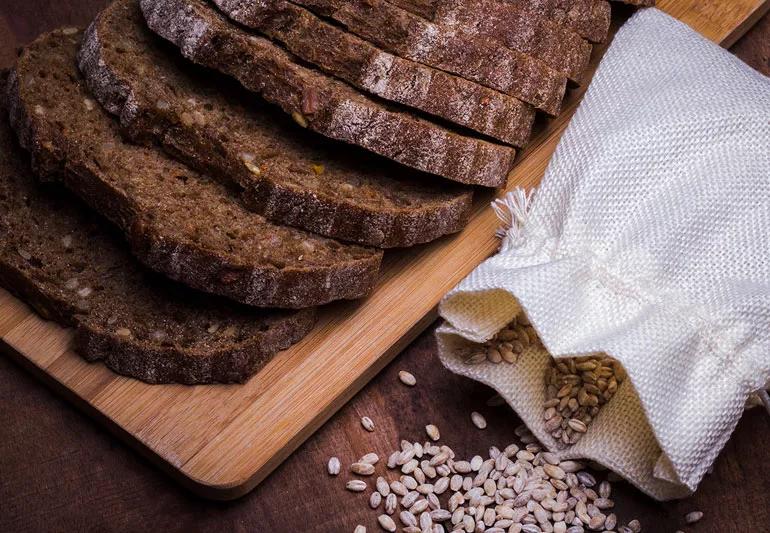
Image content: This image is available to view online.
View image online (https://assets.clevelandclinic.org/transform/bc5e95d6-5812-4bb7-9eef-e4b1cd364b6c/bestBreads-1213521887-770x553-1_jpg)
best healthy breads
Gone are the days of eating white bread. Many people are aware that whole-grain has more nutritional heft than white, fluffy, overly milled breads, but it’s not always easy to pick a good loaf when you’re at the grocery store.
Advertisement
Cleveland Clinic is a non-profit academic medical center. Advertising on our site helps support our mission. We do not endorse non-Cleveland Clinic products or services. Policy
Sometimes, a refined loaf of bread can masquerade as something more nutritious. Patrol the bread aisle and you’ll see terms like whole wheat, multigrain, seven-grain, 12-grain, all-natural, organic and enriched, to name a few. Who wouldn’t throw up their hands trying to decide what to buy?
Dietitian Laura Jeffers, MEd, RD, LD, helps break down which bread is healthier and what you should stay far away from.
When browsing the bread aisle at your grocery store, look for the term “100% whole-grain” or “100% whole-wheat” on the package.
“If you’re wondering which is better, either one works,” says Jeffers. “Whole wheat is a whole grain.”
Although different grains offer different benefits, many whole-grain breads are primarily made with wheat. If you’re looking for a nice mix of grains, check your ingredient label. Primary ingredients should be listed first in order of the amount within the loaf (wheat, oats, flax seeds, barley, buckwheat, etc.).
“Be cautious of terms like ‘wheat’ or ‘multigrain’ that don’t mention a percentage,” she warns. “They sound healthy, but they’re probably made with partially or mostly refined white flour. Wheat flour is 75% white flour and only 25% whole-wheat.”
“Enriched” is another clever term that means the maker of the bread has added nutrients to an otherwise nutrient-free white bread. When you see that word on a label, put it down and look for something else.
Advertisement
Unless you find that 100% on the package and whole-wheat listed as the first ingredient on the label, the bread is simply a refined loaf of bread with synthetic nutrients added to replenish those natural nutrients lost in the milling process.
The benefits of eating 100% whole-wheat or whole-grain far surpass just the taste. Eating whole-grain foods within an overall healthy diet helps to lower your risk for many diseases, including:
Whole-grains are also rich in protein, fiber, B vitamins and many other nutrients that help to lower blood pressure, reduce gum disease, strengthen the immune system and help control weight. The Whole Grains Council reports that benefits are greatest with at least three servings per day, but every whole grain helps.
Most other bread is made with grains that have been finely milled. The resulting flour is whiter and lighter — in more ways than one.
Not only does this refined flour look whiter and bake fluffier, but it also falls short of many of the nutrients essential to optimum health. Whole-grains begin as a whole grain kernel: bran, germ, endosperm.
The milling process mechanically removes the bran, which is the fiber-rich outer layer of the grain and contains B vitamins and other minerals. Milling also removes the second germ layer, which is rich in Vitamin E and essential fatty acids. In the end, what’s left is the starchy center, which is ground into flour for various baking purposes.
“Refined flour lacks all of those wonderful nutrients and high-starch foods like white bread can quickly raise your blood sugar levels, putting you at risk for diseases like diabetes,” she says. “That’s why you should consider nothing but the best: 100% whole wheat or whole-grain bread.”
Advertisement

Sign up for our Health Essentials emails for expert guidance on nutrition, fitness, sleep, skin care and more.
Learn more about our editorial process.
Advertisement

From sauerkraut to kimchi, these foods can help keep your gut healthy

This East Asian and subtropical fruit is packed with delicious nutrition
Lean meats, fish, dairy and plant proteins can help you meet your protein needs without piling on saturated fat and sugar
Choosing snacks with protein can help curb hunger, support muscle health and keep your energy steady between meals

Fish packs plenty of protein, heart-healthy fats and other body-boosting nutrients into every bite

Both are healthy choices, but wild-caught salmon offers a few more benefits
These bright berries are packed with nutrients and antioxidants that may support your eyes, immune system and overall well-being

The general rule is 1.2 to 1.6 grams of protein per kilogram of body weight — but that may not be exactly right for you

Managing your weight through physical activity may lower your chances of getting this common cancer

It typically starts in October and winds down in early spring, with cases at their highest in the middle of winter

Anxiety disorders, health conditions and past trauma can make driving nerve-wracking — help is available
 Search










