Locations:





While there’s no cure for myositis, remission is possible

Image content: This image is available to view online.
View image online (https://assets.clevelandclinic.org/transform/a05faa48-c2aa-416b-82c6-763637522320/mom-teen-walk-1328699293)
Parent and teen walking and talking down the sidewalk
Living with weakness, fatigue and other symptoms of myositis (idiopathic inflammatory myopathy) can feel like an ongoing battle.
Advertisement
Cleveland Clinic is a non-profit academic medical center. Advertising on our site helps support our mission. We do not endorse non-Cleveland Clinic products or services. Policy
But there’s light at the end of that tunnel.
“Remission is certainly achievable,” says rheumatologist Ambreesh Chawla, MD. “We’re often able to get people back to feeling as good as they were before diagnosis.”
Dr. Chawla answers some common questions he hears about myositis remission.
When you’re in remission, it means myositis has become quiet or inactive. Or as Dr. Chawla puts it, remission is when treatments have worked to the point of “putting the disease to sleep.”
In remission, you’ll likely feel much more like yourself again. Your blood tests will show normal inflammation levels, and you may notice:
For some people, remission means feeling well while taking medication. Others may eventually reach “drug-free remission,” meaning they no longer need medicine to keep symptoms away.
It can be easier for some people to get back to their old selves than others. Sometimes, myositis responds well to treatments; other times, it can be more stubborn.
Your team doesn’t have a crystal ball. But they can look at certain factors to consider the likelihood of remission. Here’s what they’ll be looking for:
Advertisement
But keep in mind that these are general patterns — not guarantees.
“There are some people who respond exactly like the textbooks say they should,” he shares. “And then, there are times when myositis ‘breaks the rules.’”
Managing myositis can look different depending on its effects on your body. But the overall goal is always the same: Calm your immune system, reduce inflammation, and preserve your muscle strength and function. In short, your team will work to get you back to feeling your best.
Your treatment plan may include:
Remission isn’t the same thing as a cure. Even after you’re back to feeling like yourself, myositis can flare up again.
Myositis remission can last for years for some people. Others may experience periods where symptoms suddenly worsen.
Researchers are still trying to better understand why some people stay in remission while others relapse. But certain triggers may increase the risk of your symptoms returning. That can include:
Sometimes, flares happen without a clear reason. So, it’s important to keep up with seeing your providers.
“Even when you feel better, it’s good to see a rheumatologist often, just to make sure the disease has stayed in remission,” Dr. Chawla advises.
And stay alert for signs that myositis may be coming active again. Dr. Chawla recommends getting in touch with your team if you have:
Catching symptoms early may help prevent more severe flares.
Living with myositis often means learning how to manage uncertainty. But remission is possible — and many people are able to return to activities they enjoy.
“We try to partner with our patients and let them know we’re in it with them,” Dr. Chawla says. “Through the good days, the tough days and everything in between.”
While researchers continue searching for better treatments — and, eventually, a cure — your team can help you move forward with strength and hope.
Advertisement
Advertisement

Sign up for our Health Essentials emails for expert guidance on nutrition, fitness, sleep, skin care and more.
Learn more about our editorial process.
Advertisement

Living with myositis can affect your mood and mental well-being — and that deserves your attention

Fatigue is one of the most common symptoms of myositis, but knowing why it happens can help you manage it more effectively

Medication, physical therapy and a strong support system can help you manage symptoms and protect your quality of life

Avoid triggering flare-ups and inflammation by wearing sunscreen and other sun-protective clothing daily

Rapid weight loss from the medication may decrease your overall muscle mass

Increase the size of your muscles by bulking up on protein and focusing on slow, intense movements with progressive overloading
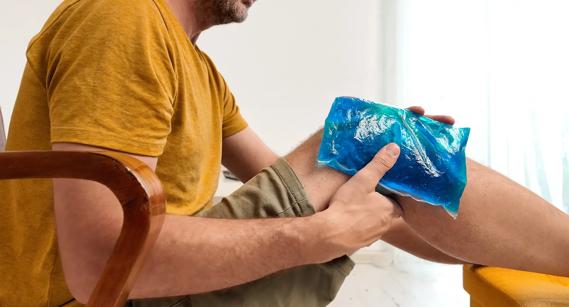
Whether it’s crushed ice, a chilled gel pack or frozen corn, you’ve got options

These neurological conditions affect muscle movement in separate ways
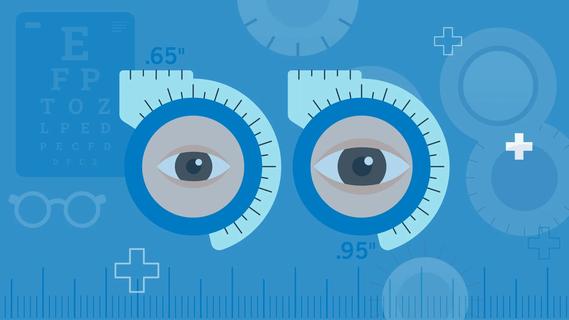
Eyes typically increase to full size during two growth spurts in childhood
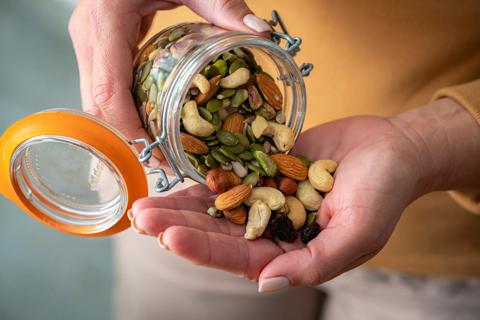
To start, opt for calorie-dense foods that are rich in protein and healthy fats

Pre-birth injections and monoclonal antibodies can help prevent serious complications
 Search










