Locations:





Expired toothpaste won’t make you sick, but it’s less effective for your dental health
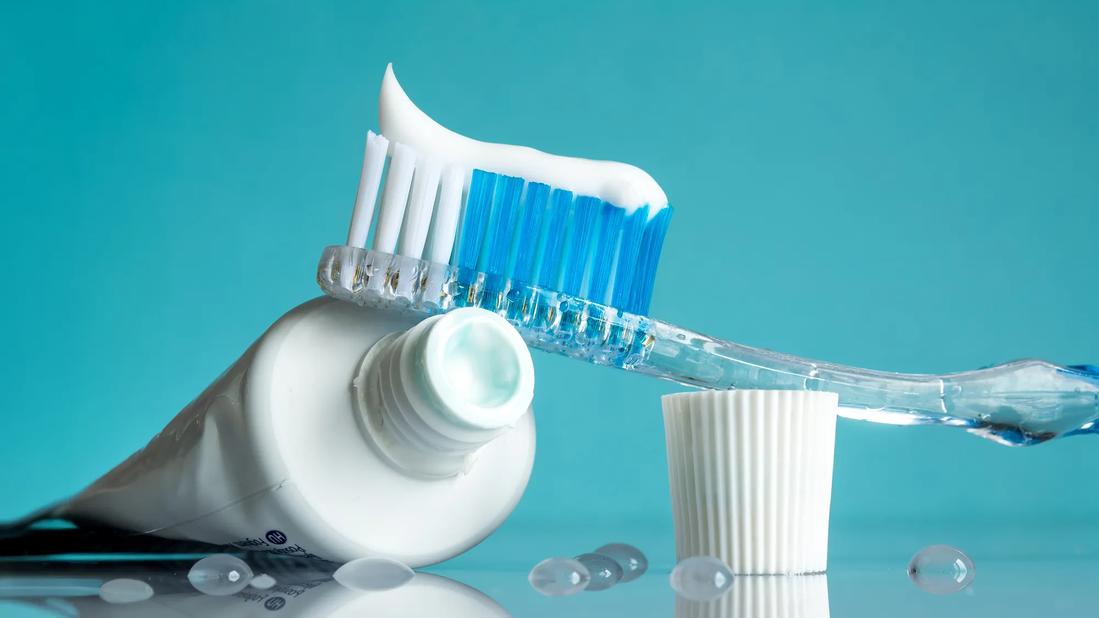
Image content: This image is available to view online.
View image online (https://assets.clevelandclinic.org/transform/dff2c294-4a29-4bca-86ae-fdbadfea2b2b/closeup-toothpaste-toothbrush-1096108406-r)
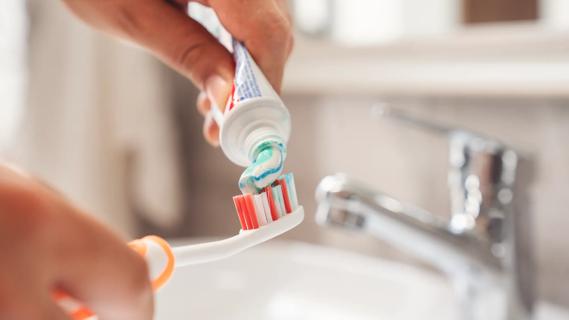
Open tube of toothpaste, with toothbrush resting against it, with the cap nearby
We’ve all been there: You discover an old tube of toothpaste in the back of a bathroom drawer and wonder if it’s still OK to use.
Advertisement
Cleveland Clinic is a non-profit academic medical center. Advertising on our site helps support our mission. We do not endorse non-Cleveland Clinic products or services. Policy
Sure, toothpaste has an expiration date stamped on it. But what does that mean? Does toothpaste suddenly “turn,” like milk? Or is that expiration date more like the Pirate’s Code — less of a rule, more of a guideline?
Registered dental hygienist Tenika Patterson, RDH, explains how long toothpaste lasts and whether it’s time to toss that aging tube.
Most toothpaste has a shelf life of about two years from the date it’s manufactured, and the expiration date marks that.
That timeline isn’t necessarily about safety. Brushing with expired toothpaste isn’t going to make you sick. But old toothpaste may taste funny, and it may not provide the same level of protection for your teeth and gums.
“Your toothpaste’s expiration date reflects how long manufacturers can guarantee that the ingredients will remain stable and effective,” Patterson explains. “Beyond that date, it can become less effective.”
But here’s the rub: The expiration date isn’t necessarily set in stone. Where you store your toothpaste can make a difference, too.
“Excess heat and moisture can speed up ingredient breakdown and shorten its useful life,” she points out. “To help preserve its ingredients, keep toothpaste in a cool, dry place.”
Advertisement
In most cases, using expired toothpaste isn’t likely to harm you. But it may not provide the benefits you’re expecting.
"While it’s safe to use after the expiration date, it won’t be as effective at fighting tooth decay, preventing cavities and supporting gum health because the ingredients begin to break down,” Patterson states.
The ingredient in question? Fluoride.
Fluoride helps strengthen tooth enamel and protect against cavities. But it’s not shelf-stable forever.
“Fluoride is the most important ingredient in your toothpaste,” she adds. “And when toothpaste is expired or hasn’t been stored properly, fluoride becomes less effective.”
The easiest way to know if your toothpaste is still good is to check the expiration date printed on the tube or box.
But if you can’t find a date or worry that your toothpaste hasn’t been stored well, there could be other telltale signs that your tube isn’t up to the task.
Older toothpaste may show signs that its ingredients are breaking down. You may notice that it becomes:
The flavor may also fade over time, and it may not leave your mouth feeling as fresh as it once did.
If your toothpaste has passed its expiration date or has changed noticeably in texture, consistency or taste, it’s probably time to replace it. If it’s all you have on hand, expired toothpaste is better than skipping brushing altogether. But it’s best to grab a tube of the fresh stuff when you can.
A new tube of toothpaste is a small investment, and it’s a simple way to make sure you’re getting the cavity-fighting and gum-protecting benefits you expect with every brush.
Advertisement

Sign up for our Health Essentials emails for expert guidance on nutrition, fitness, sleep, skin care and more.
Learn more about our editorial process.
Advertisement
Good dental habits and staying hydrated can help, but persistent bad breath merits professional care

You may not be able to smell your own breath, but a bad taste, dry mouth and other clues can tell you when it may be less than fresh
From whitening to sensitivity toothpastes, the best choice depends on your dental needs — but fluoride should always be part of the equation

A variety of OTC products and professional treatments can be effective at removing stains on teeth
Try to brush for at least two minutes twice a day to keep your teeth healthy
Fluoride has the power to make your teeth stronger
Daily oral hygiene goes a long way to keeping your mouth healthy and your smile bright

You might have a sensitive gag reflex — but gagging while brushing can also be a result of certain medical conditions

Managing your weight through physical activity may lower your chances of getting this common cancer

It typically starts in October and winds down in early spring, with cases at their highest in the middle of winter

Anxiety disorders, health conditions and past trauma can make driving nerve-wracking — help is available
 Search










