Locations:





A variety of factors can cause temporary or more lasting changes in penis length
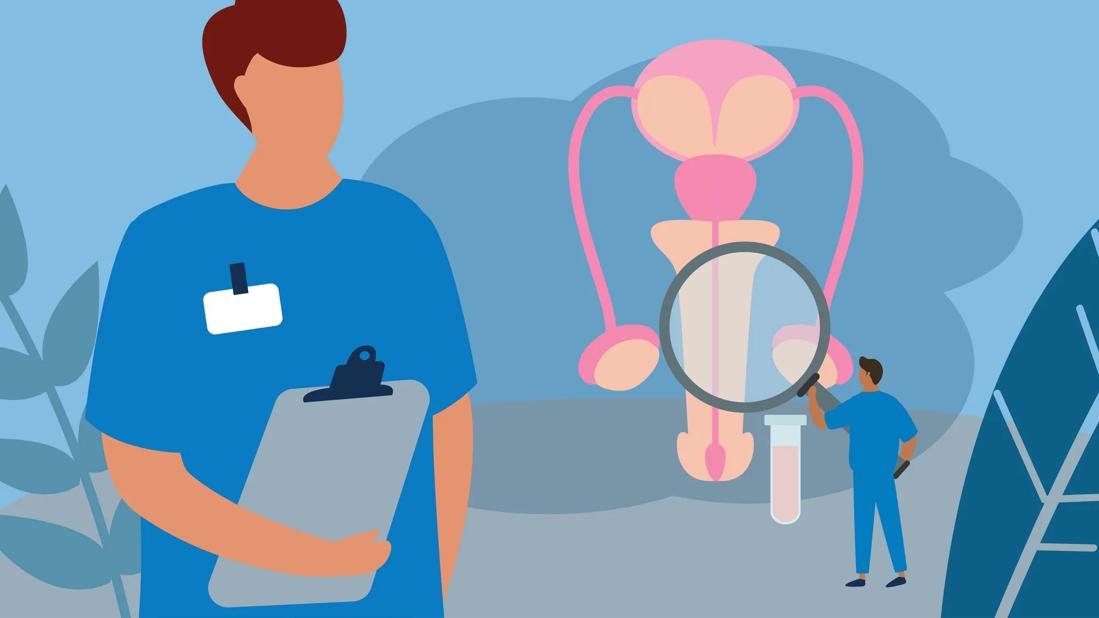
Image content: This image is available to view online.
View image online (https://assets.clevelandclinic.org/transform/d426e74f-37df-4227-a5e5-e7e0b42f5176/doc-magnify-glass-penis-1431672066)
Doctor holding clipboard, with another doctor examining oversized penis anatomy with oversized magnifying glass
Penis size can be a sensitive topic for guys. Oft-cited surveys show that a lot of men wish they had a bit more below the belt. But it’s also true that a slight majority say they’re satisfied with what they’ve got.
Advertisement
Cleveland Clinic is a non-profit academic medical center. Advertising on our site helps support our mission. We do not endorse non-Cleveland Clinic products or services. Policy
What’s clear, though, is that very few fellas want their penis to be smaller — but that’s a reality you may have to face at some point.
So, what can make your penis shrink? Let’s size up the situation with urologist Raevti Bole, MD.
A variety of factors can affect the actual or perceived size of your penis, especially during erections, says Dr. Bole. Some are momentary situations. Others may be more lasting and bring other concerns.
Here are five common reasons why your penis may get smaller.
Cold temperatures can temporarily change things downstairs — a reality famously (and comically) revealed by George Costanza on the TV show Seinfeld. Yeah, that’s right: We’re talking about “shrinkage.”
So, why does this happen? Basically, it’s your body’s defense mechanism to protect your testicles and their sperm production capabilities from chilly conditions, explains Dr. Bole.
When it’s cold, muscles contract to tighten your scrotum and pull your testes closer to your body for warmth. The process also affects your penis, which contains similar muscles.
This can happen if you’re exposed to cold temperatures or are swimming in cold water.
“It’s a normal and natural physiological response,” she adds. “Once you warm back up, everything should return to normal.”
Advertisement
You know how people naturally lose a little height as they age? Well, it seems that erections can also get a bit shorter as the years go by.
It’s a result of blood flow to your penis decreasing as plaque builds up in your arteries over time. This reduction weakens muscle cells that power erections, which can lead to your penis not standing quite as tall.
If blood vessels become more blocked, you may experience erectile dysfunction (ED).
The elasticity of erectile fibers may also wane over time, slightly decreasing your maximum length. (We’re talking fractions of an inch.)
But age alone doesn’t necessarily translate to erectile issues: “If you maintain healthy blood vessels and cardiac health, you may never notice a difference in the length or quality of your erections,” says Dr. Bole.
Weight gain might make your penis appear smaller. The reason? Excess fat that accumulates below your belly button in your pubic area can sometimes “bury” the shaft of your penis.
A condition called buried penis may develop if you have a body mass index of 40 or higher, which qualifies as class III obesity.
Weight loss can often resolve the issue, says Dr. Bole. Surgery for buried penis may be recommended to remove tissue that’s crowding or enveloping your penis if you’re experiencing difficulties, such as trouble peeing, pain or infections.
Penis length can be affected by a variety of medical matters, including:
Treatments are available to address the above conditions, which may help restore some of the lost length or prevent additional reduction. Discuss your options with a healthcare provider.
Cigarettes might not be the only thing to shorten when you smoke.
Long-term smoking can lead to poor blood flow to your penis, which — as we’ve mentioned — tends to bring diminishing returns on erections. The elasticity of penile tissue may also be compromised.
Advertisement
In addition, Dr. Bole says that smoking increases your risk of erectile dysfunction, Peyronie’s disease and other issues that could affect penis length.
The good news? Quitting smoking can improve blood flow and reverse some negative effects.
If your erections routinely aren’t measuring up to past heights, Dr. Bole recommends talking to a doctor to find a cause. A reduction may signal a larger health issue that deserves some attention.
“In many ways, your sexual health can serve as a window to your overall health,” emphasizes Dr. Bole. “So, if you notice an unexpected change in your erections, start a conversation. We can help you find answers.”
Advertisement

Sign up for our Health Essentials emails for expert guidance on nutrition, fitness, sleep, skin care and more.
Learn more about our editorial process.
Advertisement
‘Morning wood’ is a natural bodily function and a sign of sexual health

Changes in penis performance or appearance may signal heart issues, diabetes and more

Find out about the wide range of “normal penises.”
For most people, the risks outweigh the possible benefits

Most penis-enlargement products, devices and procedures deliver only modest (if any) gains
This imaging can help your care team see where the cancer has spread and determine the best treatment for you

Genetics, hormones and aging are usually responsible, but treatments can help slow hair loss and even encourage regrowth

An unexplained lump, swelling, discomfort or changes to your testicles shouldn’t be ignored

Hormonal changes, a slower metabolism and muscle loss can make weight gain more common around menopause — healthy habits can help you manage it
Life-threatening complications include sepsis, stroke, pneumonia and more
Fruity-smelling breath can happen when your body burns fat for energy, and in some cases, can signal a medical emergency
 Search










