Locations:





Ear drops and ear flushing can help, but avoid cotton swabs and ear candling, which can cause serious injuries
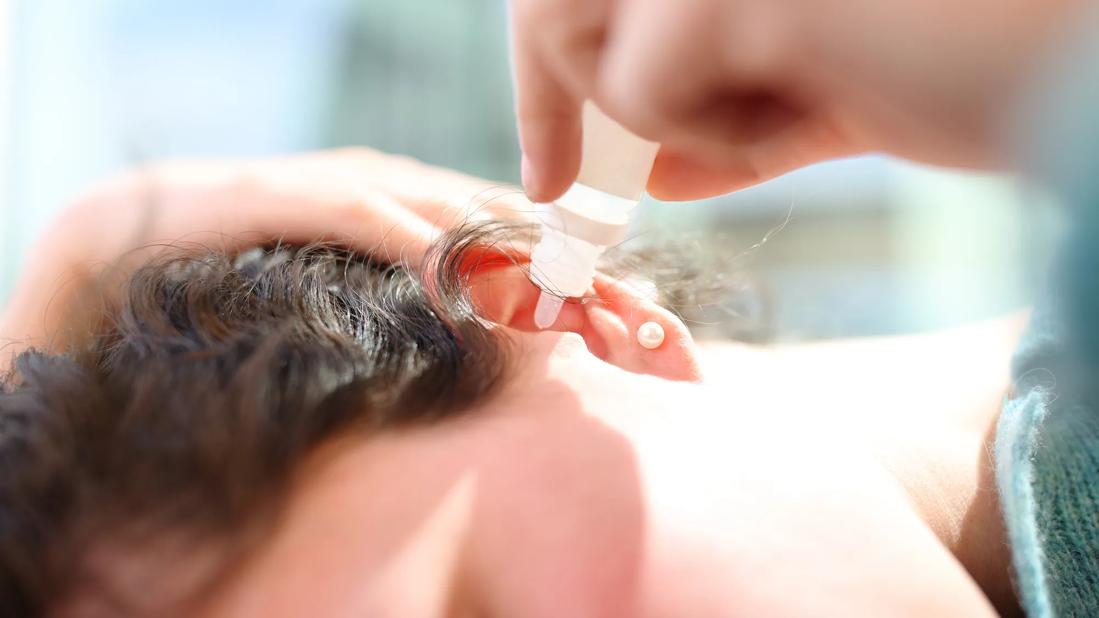
Image content: This image is available to view online.
View image online (https://assets.clevelandclinic.org/transform/7a3bebea-11d2-4a58-93c7-9e10016febfe/using-ear-drops-ear-wax-1394200358)
Person putting ear drops in their ear
Usually, earwax issues resolve on their own. Your ears naturally move wax outward, often allowing it to fall out while you sleep. But problems can crop up when wax builds up faster than your ears can clear it out — or when your well-meaning cleaning attempts push it in deeper.
Advertisement
Cleveland Clinic is a non-profit academic medical center. Advertising on our site helps support our mission. We do not endorse non-Cleveland Clinic products or services. Policy
“Trying to clean out your earwax can cause more problems than it solves,” says otolaryngology specialist Jenaye Baker, PA-C. “Your ears clean themselves. When the outer layer of skin in the ear canal sheds, the wax will fall out with it.”
But if that natural process isn’t quite doing the job, you have options. Baker explains which methods are safe to try, what to avoid and when to head to a doctor.
So, how should you handle earwax woes? If it’s becoming a nuisance, turn to these safe, doctor-approved tactics that won’t don’t damage your ear canal or eardrum.
Over-the-counter ear drops, like Debrox®, are liquid medications that contain the right balance of hydrogen peroxide (or other types of peroxide) to help dissolve earwax.
Here’s how to use ear cleaning drops safely:
Ear cleaning drops work best if you’re only dealing with a small amount of earwax. They probably won’t work if you have too much earwax or a condition called impacted cerumen, when a firm wax plug blocks your ear canal.
Advertisement
“If you have an earwax plug, putting drops in your ear may make things worse,” Baker warns. “Drops will soften the plug but not dissolve or remove it. Then, the softened plug ends up plugging your ear even more.”
If drops alone don’t help, flushing your ear with a bulb syringe may be an option. These small handheld devices are available at most drugstores.
To flush your ear:
But before you begin, keep these important precautions in mind:
“If you’re not comfortable flushing your own ears, check with your primary care provider’s office to see if they’ll do it for you,” Baker suggests.
Your healthcare provider may recommend putting a few drops of mineral oil on your ears before you come in to have earwax removed. This can help lubricate the ear canal and soften the earwax, which makes it easier to get out.
Some people use olive oil for this step instead, which can have the same effect. But don’t try olive oil as a standalone attempt at treatment. One study found that on its own, olive oil in the ears makes wax buildup worse.
“It should only be used if you’re also heading into the doctor’s office for their help,” Baker clarifies.
Not all earwax removal methods are safe — even if they’re popular or widely advertised. Baker recommends steering clear of two of them, in particular.
The warning printed on cotton swab packaging is there for a reason: “Do not insert swabs into the ear canal.”
“The tip of the cotton swab actually just pushes earwax deeper into your ears,” Baker explains. “So, the more you use it, the more earwax you push in.”
There’s also a real risk of injury. Pushing a cotton swab too far in can rupture your eardrum. You can also scratch your ear canal, causing a break in the skin that makes it easier for bacteria to enter and cause infection.
There are two important reasons to avoid ear candling, which is also sometimes known as ear coning: “It doesn’t work, and it may burn you,” Baker warns.
There’s no evidence that these long, hollow candles actually help “draw out” wax, as they claim. But there is evidence that using this alleged home remedy can make earwax blockages worse and cause a variety of injuries.
Advertisement
While earwax is generally more annoying than dangerous, sometimes you need a healthcare provider to clear it.
“It’s not common, but some people do need an ear cleaning,” Baker says. “This may be the case if you keep getting wax blockages despite not sticking cotton swabs, earplugs or other similar items in your ears.”
Seek medical evaluation if recommended home remedies don’t work and:
Your healthcare provider will need to take a look and see if your ear canal is open or if wax is plugging it up. If the situation is minor, you may be able to get your ears unblocked right then and there. A provider can use a specialized microscope to see inside your ear canal, loosen the wax and vacuum it out.
Importantly, though, a clogged ear may have other causes — and only a healthcare provider can say for certain.
“It could be a middle ear infection with fluid filling up the space behind the eardrum,” Baker says. “Or you could have a viral infection that affects the inner ear. In those cases, a healthcare provider can diagnose and treat you to prevent permanent hearing loss.”
Advertisement
Unless you’re having a specific issue, try not to worry about earwax. It isn’t a sign of poor hygiene. In fact, it plays an important role in keeping your ears healthy.
“A lot of people think earwax is dirty and needs to be cleaned out, but it actually has both anti-fungal and anti-bacterial properties,” Baker says. “It also protects ears from things that could hurt the eardrum, like first, dust and hair.”
But like most things in life, it’s all about balance. Too much wax can block your ears and cause temporary hearing loss or infections. If it’s bugging you, stick with safe removal methods — and know when to get medical help if your symptoms persist.
Advertisement

Sign up for our Health Essentials emails for expert guidance on nutrition, fitness, sleep, skin care and more.
Learn more about our editorial process.
Advertisement

You can find sweet relief by swallowing, yawning and doing specialized maneuvers

Yes, ear pain can result from seasonal allergies, causing even more issues
Turning your head to the side and pulling your ear up and back is one common tactic for relief
Ear plugs, bathing caps, hydrogen peroxide and hair dryers can all help keep ears clean and dry
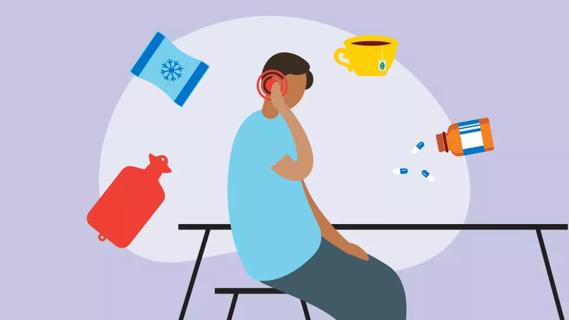
Not all ear infections need antibiotics — cold and warm compresses and changing up your sleep position can help
Ear infections can be painful, but essential oils may make the problem worse
Throat and ear pain that lasts more than four weeks deserves serious attention
How to find a fix for the itch

Managing your weight through physical activity may lower your chances of getting this common cancer

It typically starts in October and winds down in early spring, with cases at their highest in the middle of winter

Anxiety disorders, health conditions and past trauma can make driving nerve-wracking — help is available
 Search