Locations:





You may be surprised to learn that acupuncture usually doesn’t feel like anything — and any discomfort is typically brief
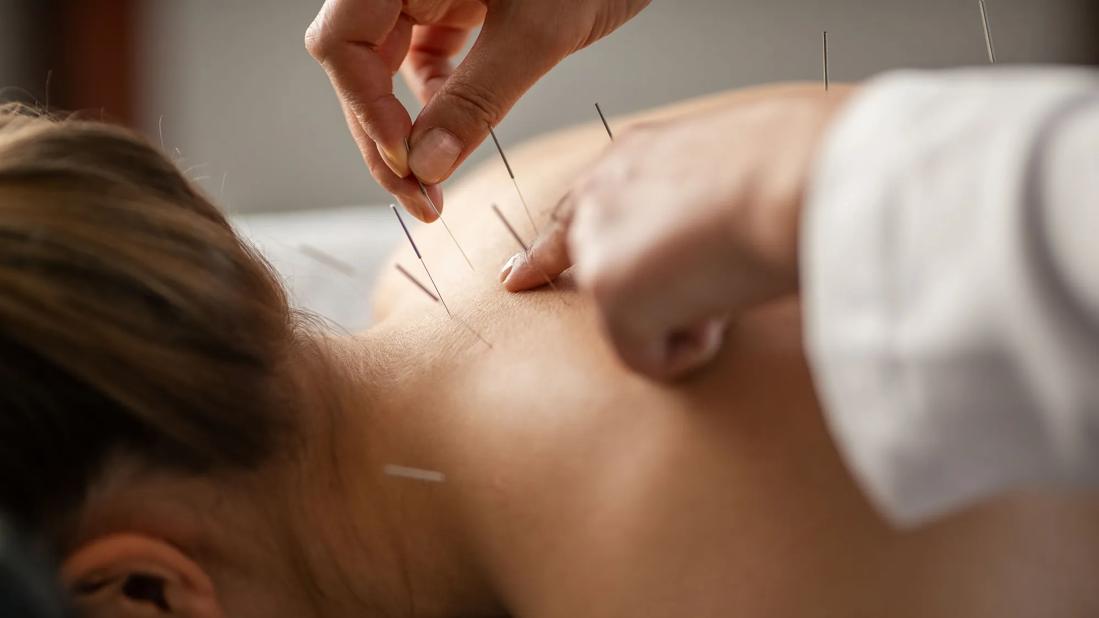
Image content: This image is available to view online.
View image online (https://assets.clevelandclinic.org/transform/f151cdae-b7bf-429a-9964-dfd0872590d3/accupuncture-neck-1933038371)
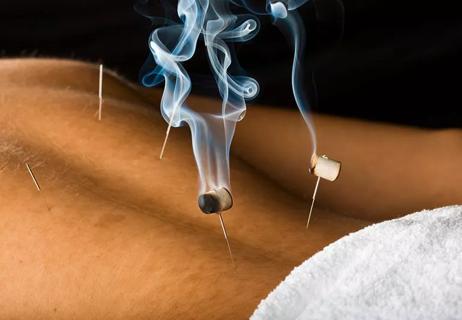
Person receiving acupuncture along shoulders and back
If you’ve never had acupuncture, you might be wondering: Why would anyone willingly be stuck with needles?! But this ancient practice has remained popular throughout the centuries — and, in fact, it’s only continued to become more popular. So, there must be something to it, right?
Advertisement
Cleveland Clinic is a non-profit academic medical center. Advertising on our site helps support our mission. We do not endorse non-Cleveland Clinic products or services. Policy
We asked licensed acupuncturist Tim Sobo, LAc, to explain what acupuncture feels like, including your most pressing question: Does it hurt?
“Occasionally, when a needle goes in, you may feel a little bit of a pinch or minor discomfort,” Sobo says. “But broadly speaking, no, acupuncture doesn’t hurt.”
A 2021 review showed that only about 3.75% of people who had acupuncture reported needle site pain. And one study on pediatric acupuncture called it a “relatively pain-free and well-liked” treatment, and in participants aged 8 to 21, acupuncture-related pain was found to be “low to none.”
If you’ve ever been stuck with a needle, like while receiving a flu shot, you may be wondering how all that could be possible. Because even if that experience didn’t hurt, per se, it probably didn’t feel great either.
The key, Sobo says, is the acupuncture needles themselves.
Acupuncture needles are called filiform needles. And they differ from regular hypodermic needles (the ones used for shots and blood draws) in a couple of important ways.
Hypodermic needles are hollow, with a hole through the middle to either deliver medication or draw blood. But acupuncture needles don’t need to do either of those things — so the needles are much, much thinner.
Advertisement
“Filiform needles are extremely fine, similar in thickness to a strand of human hair,” Sobo illustrates. “They’re so small that you could fit about four or five of them inside the hole of a standard hypodermic needle.”
Acupuncture needles also don’t go as deep as hypodermic needles do. For the most part, they’re inserted shallowly into the skin.
“As far as the discomfort of getting a shot or having your blood drawn, acupuncture feels nothing like that,” he reassures.
Oftentimes, acupuncture doesn’t feel like anything at all — and that’s exactly why the occasional twinge can be a surprise. Your mind may catalog that feeling as pain, even if it’s not actually that painful.
“Let’s say I put four or five needles in, and you don’t feel a thing,” Sobo illustrates. “Then, if I put one in that you do feel, it registers as a sudden pinch out of nowhere. But that usually goes away in a matter of seconds.”
If your acupuncturist puts in a needle that does pinch, hurt or feel otherwise uncomfortable, let them know. They can remove the needle and either reposition it or avoid that area of your body.
Some needles may feel more noticeable going in than others, like if they’re near:
As mentioned, twinges or pinches should fade within a few seconds. But again, always let your acupuncturist know if a needle feels uncomfortable so they can remove or adjust it.
If you’re interested in acupuncture, but feeling nervous about the process, talk to your acupuncturist ahead of time.
“I talk to a lot of people who are afraid of needles,” Sobo says. “Once someone walks you through the process and you see how small these needles actually are, most people very quickly go, ‘Oh, that’s what I was so nervous about? I can do that.’ And they end up coming back to do it again and again.”
Advertisement

Sign up for our Health Essentials emails for expert guidance on nutrition, fitness, sleep, skin care and more.
Learn more about our editorial process.
Advertisement
This technique, rooted in traditional Chinese medicine, may help relieve muscle pain and lessen facial puffiness
This evidence-based practice is used to help manage pain, relieve menopause symptoms and boost your spirits
It’s great for stress relief, which can go a long way when you’re trying to conceive
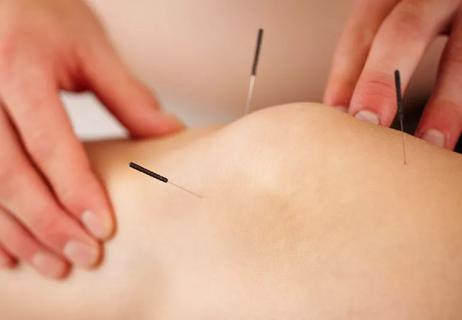
This ancient treatment is often a complement to acupuncture
New government advisory recommends non-addictive options first
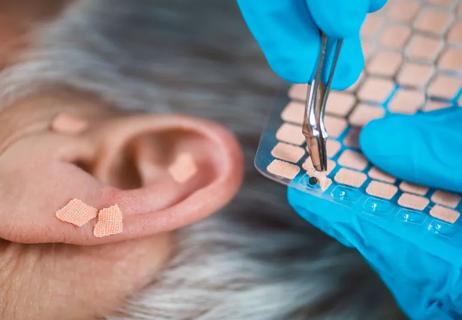
Acupuncture, herbs and hypnotherapy curb cravings naturally
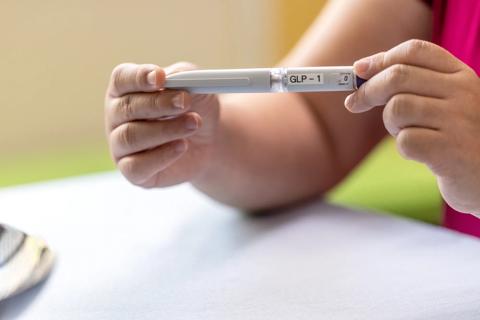
Abruptly ending treatment often comes with weight regain and other issues

Managing your weight through physical activity may lower your chances of getting this common cancer

Hormonal changes, a slower metabolism and muscle loss can make weight gain more common around menopause — healthy habits can help you manage it
Life-threatening complications include sepsis, stroke, pneumonia and more
Fruity-smelling breath can happen when your body burns fat for energy, and in some cases, can signal a medical emergency
 Search










