Locations:





Say ahhh and add this step to your toothbrushing routine

Image content: This image is available to view online.
View image online (https://assets.clevelandclinic.org/transform/687e9d1b-115f-494c-a472-bb0d2db2070b/tongueScraping-909310058-770x553-1_jpg)
girl scraping her tongue
Even if you’re an oral hygiene all-star who brushes your teeth twice a day, flosses regularly and dutifully visits your dentist every six months, you may still be missing one step that could help keep your mouth fresh and healthy.
Advertisement
Cleveland Clinic is a non-profit academic medical center. Advertising on our site helps support our mission. We do not endorse non-Cleveland Clinic products or services. Policy
Have you thought about tending to your tongue – that fleshy collection of muscles that helps you speak, chew and swallow? It’s covered in little bumps called papillae that allow you to taste and feel textures in your mouth.
“But your tongue can also harbor bacteria,” dental hygienist Tenika Patterson, RDH, explains.
While most of those bacteria are the “good kind” that foster a healthy environment in your mouth, other kinds can cause bad breath, tooth decay and gum infections.
So, cleaning your tongue is important to keep that bad bacteria, as well as food debris and dead cells that may accumulate there, from causing trouble.
Brushing your tongue gently from back to front a few times with a toothbrush and toothpaste is an easy first step, since you’re already in there brushing your teeth twice a day anyway.
“But tongue scraping can do a better job at removing that plaque and bacteria off the tongue’s surface,” Patterson advises.
“Brushing is OK to do, but think about it this way — if your carpet is dirty and you scrub it, the dirt’s going to get embedded down in there,” she explains. “But if you scrape it, it’s going to come right off the surface.”
Indeed, studies suggest that tongue scraping can remove bacteria and improve bad breath more than brushing.
Advertisement
Tongue scraping devices made from plastic, copper or stainless steel are available at most drug stores and generally cost under $10.
Although it may not be top-of-mind, taking care of your tongue is important for overall oral health. Some of the benefits of tongue scraping are:
Here’s how to add tongue scraping to your routine in the morning and at night.
Brush your teeth, floss and rinse like you normally would. Then, stick your tongue out and apply light pressure to run the scraper across the entire surface of your tongue once or twice, starting all the way at the back of the tongue and scraping toward the front. It shouldn’t hurt or do any damage to your tongue. If it does, you’re pressing too hard on the scraper, so use less pressure.
Rinse the scraper in warm water after each pass, and finish by rinsing it again and swishing your mouth out with water.
It’s a quick and simple last step to add to your oral hygiene routine, but it can help leave your mouth feeling squeaky clean. If your tongue gives off any visual clues that it’s not healthy — like white, black or red discoloration, or sores or pain that persist for more than two weeks – make an appointment to visit and consult with your dentist.
Advertisement

Sign up for our Health Essentials emails for expert guidance on nutrition, fitness, sleep, skin care and more.
Learn more about our editorial process.
Advertisement
Good dental habits and staying hydrated can help, but persistent bad breath merits professional care

You may not be able to smell your own breath, but a bad taste, dry mouth and other clues can tell you when it may be less than fresh
Expired toothpaste won’t make you sick, but it’s less effective for your dental health
From whitening to sensitivity toothpastes, the best choice depends on your dental needs — but fluoride should always be part of the equation

A variety of OTC products and professional treatments can be effective at removing stains on teeth
Try to brush for at least two minutes twice a day to keep your teeth healthy
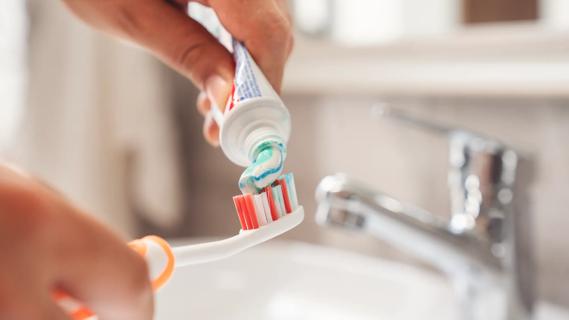
Fluoride has the power to make your teeth stronger
Daily oral hygiene goes a long way to keeping your mouth healthy and your smile bright

Hormonal changes, a slower metabolism and muscle loss can make weight gain more common around menopause — healthy habits can help you manage it

Life-threatening complications include sepsis, stroke, pneumonia and more

Fruity-smelling breath can happen when your body burns fat for energy, and in some cases, can signal a medical emergency
 Search










