Locations:





An anti-inflammatory diet, regular exercise and heat therapy can all help — but severe pain may require medical treatment
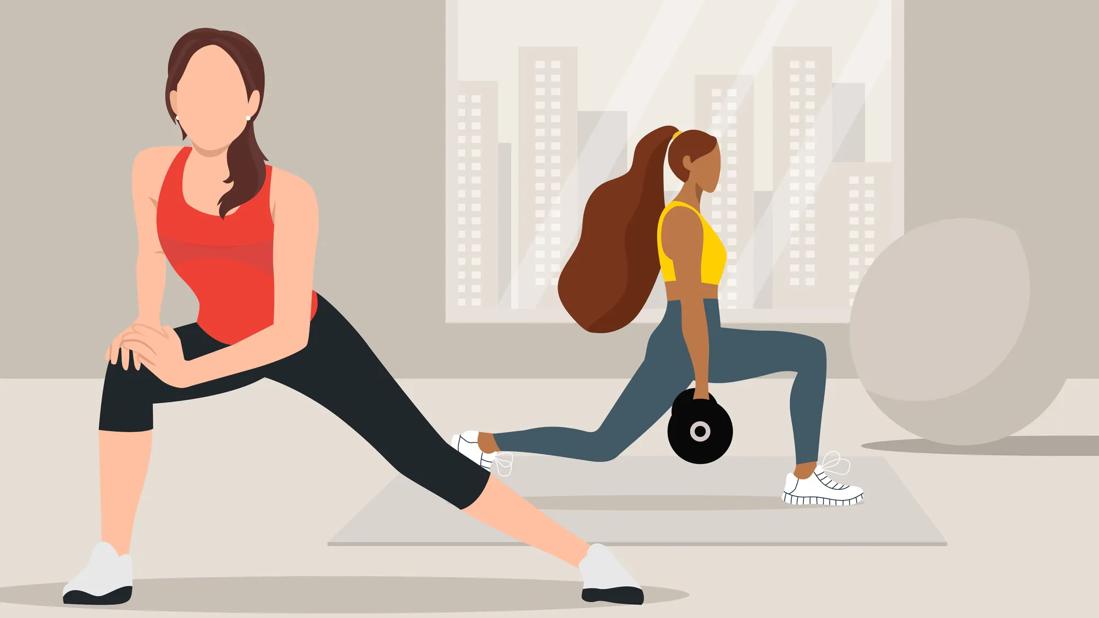
Image content: This image is available to view online.
View image online (https://assets.clevelandclinic.org/transform/a1ab8f86-34a5-427d-a48f-190d10e99532/endometriosis-remedies-1496419358)
Two women exercising in a gym
There’s no one way to ease endometriosis pain. But there are a lot of options that may help you find relief. And you may have to try several approaches before figuring out what works best for you.
Advertisement
Cleveland Clinic is a non-profit academic medical center. Advertising on our site helps support our mission. We do not endorse non-Cleveland Clinic products or services. Policy
“Endometriosis treatment should be tailored to each individual,” says minimally invasive gynecologic surgeon Megan Billow, DO. “Your pain symptoms, reproductive goals and quality of life all play an important role in determining the best treatment plan. Nobody knows your body better than you do.”
Video content: This video is available to watch online.
View video online (https://cdnapisec.kaltura.com/p/2207941/sp/220794100/playManifest/entryId/1_c9346aj6/flavorId/1_5f3sgelj/format/url/protocol/https/a.mp4)
Learn about treatment options that can help with endometriosis pain.
The most important first step in coping with endometriosis is talking with a healthcare provider about your symptoms and treatment goals. Their treatment recommendations may depend on factors like:
You may benefit from combining self-care strategies, lifestyle changes and medical treatments.
Certain changes you make and steps you take may help relieve endometriosis pain. Dr. Billow explains.
“There isn’t a single ‘endometriosis diet,’” Dr. Billow clarifies. “But maintaining overall healthy habits may help support your body’s inflammatory response.”
Focus on:
Some women report improvement with diets like veganism or keto eating patterns. But research hasn’t shown that one specific diet works best for endometriosis.
Advertisement
“Be cautious of claims that diet alone can cure endometriosis,” Dr. Billow urges. “Endometriosis isn’t caused by the foods you eat, and changing your diet won’t eliminate the disease.”
There are several reasons why exercise may help reduce endometriosis symptoms. Physical activity has been shown to:
“Strengthening and mobility exercises — including yoga and Pilates — can be especially helpful for many people with endometriosis,” Dr. Billow says.
Nonsteroidal anti-inflammatory drugs (NSAIDs) like ibuprofen and naproxen may help manage pain from endometriosis.
“These medications can be helpful for short-term symptom relief,” Dr. Billow notes. “But they don’t treat the underlying disease, and they shouldn’t be relied on as a long-term solution without medical guidance.”
Always talk with your healthcare provider before using these medications.
Living with chronic pain from endometriosis can be a lot to handle. But a therapist may be able to help. Cognitive behavioral therapy (CBT) is a type of structured talk therapy that can benefit people who are living with medical conditions that cause chronic pain.
A review of studies into CBT for women living with endometriosis found that this type of therapy helped:
“Living with endometriosis affects both physical and emotional well-being,” Dr. Billow empathizes. “Working with a therapist can help you develop coping skills, manage stress and better regulate your nervous system.”
“Stress and pain often reinforce one another,” Dr. Billow says. “Chronic stress can amplify pain signals, while persistent pain increases stress levels.”
That makes it especially important to find healthy ways to manage life’s stressors. Strategies that may help regulate stress include:
“Anything that helps calm your nervous system may also help reduce how intensely you experience pain,” she adds.
Heating pads or heat wraps may help ease pelvic cramping and muscle tension. Although research specific to endometriosis is limited, many women report that heat therapy is one of their most helpful self-care strategies.
“With endometriosis, it’s common to develop pelvic floor muscle tension in response to chronic inflammation and pain,” Dr. Billow explains. “Heat can help relax those muscles and reduce the spasms that often worsen pelvic pain.”
Advertisement
You may want to explore complementary therapies to help manage endometriosis symptoms, like:
“Research on these therapies is still evolving,” Dr. Billow notes. “While results are mixed, these approaches are generally considered safe for most people when performed by trained professionals.”
Always discuss complementary treatments with your healthcare provider first.
If lifestyle strategies aren’t enough to manage your endometriosis symptoms, medical treatment options may help.
Many medications used to treat endometriosis work by suppressing estrogen, the hormone that drives the growth and activity of endometriosis lesions. These medications may include:
But if you’re hoping for pregnancy, this may not be the right route for you right now.
“If you’re trying to conceive, hormonal suppression may not be appropriate,” Dr. Billow cautions. “That’s why treatment planning should always include a discussion about your fertility goals.”
Endometriosis can cause pelvic floor muscle dysfunction, which can contribute to pelvic pain. A pelvic floor physical therapist can help identify muscle tension patterns and guide you through targeted techniques to relax and strengthen those muscles.
Advertisement
“Pelvic floor therapy can be an extremely helpful part of treatment,” Dr. Billow says. “It helps retrain muscles that have been guarding or tightening in response to chronic pain.”
In some cases, your provider may recommend surgery to treat endometriosis and reduce pain.
The goal of surgery is to identify and remove endometriosis lesions. Your surgeon will use small incisions and specialized instruments to carefully excise (remove) the endometriosis tissue from its base, rather than simply destroying the surface of the lesion.
“By removing the lesions themselves, we can address a major source of inflammation and irritation that contributes to pain,” Dr. Billow says. “The tissue can also be sent to pathology so we can confirm the diagnosis.”
Surgery may be recommended if you:
“For many people, surgery is one part of a comprehensive treatment plan, which may also include hormonal therapy, pelvic floor physical therapy and other pain management strategies,” she adds.
If your symptoms are severe and other treatments haven’t worked, your provider may discuss hysterectomy as an option. But it’s important to know that removing your uterus doesn’t necessarily eliminate endometriosis. That’s because the disease can exist outside your uterus.
Advertisement
“A hysterectomy may help certain symptoms, like severe uterine pain or adenomyosis,” Dr. Billow explains. “But it’s not a cure for endometriosis.”
It’s important to have a detailed conversation with your healthcare provider about which treatment decisions are right for you and for your health priorities.
You might’ve heard of other treatments to help reduce endometriosis pain, but research in these areas is still developing. Examples include:
Endometriosis is a chronic condition that can affect every facet of your life. Finding effective ways to manage your pain often requires patience — and a personalized approach.
“You might’ve grown up learning that severe period pain is normal,” Dr. Billow empathizes. “But if pain is interfering with your work, relationships or daily activities, it’s important to know that help is available.”
Talk to your provider every step of the way so they can continually reassess your needs.

Sign up for our Health Essentials emails for expert guidance on nutrition, fitness, sleep, skin care and more.
Learn more about our editorial process.
Advertisement
This chronic condition most commonly causes pelvic pain and severe cramping during periods, but it can bring other types of pain symptoms, too
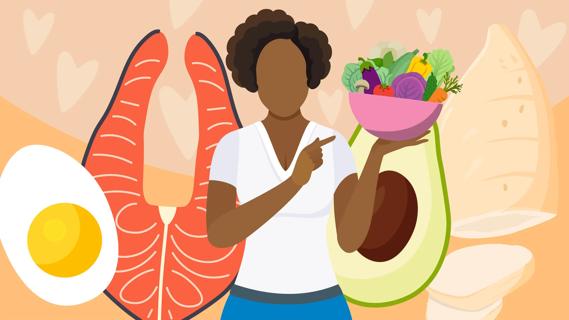
Eating well can help reduce inflammation when you have endometriosis

The most comfortable sex positions minimize deep penetration
A painful, swollen abdomen from endometriosis may be managed with dietary changes

Managing your weight through physical activity may lower your chances of getting this common cancer
Not all breast lumps signal cancer, and not all breast cancer causes lumps — it’s important to know the facts
The kind of testing you need depends on your symptoms
Fibromyalgia causes widespread pain — and now we know more about the root cause
Managing your weight through physical activity may lower your chances of getting this common cancer

It typically starts in October and winds down in early spring, with cases at their highest in the middle of winter

Anxiety disorders, health conditions and past trauma can make driving nerve-wracking — help is available
 Search










