Locations:





 Search
Expert advice to help you get the most from your training time
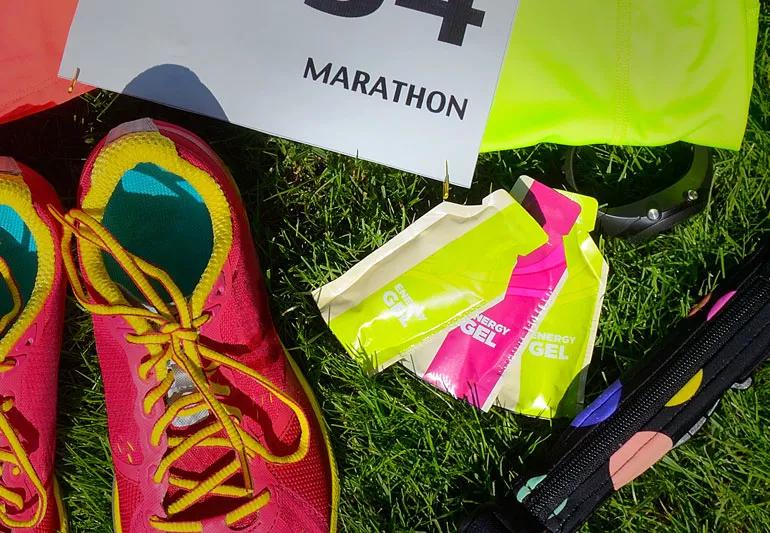
Image content: This image is available to view online.
View image online (https://assets.clevelandclinic.org/transform/a7142683-9d69-4084-8b8e-a845050816ea/energyGels-578308122-770x553_jpg)
Packets of energy gels in marathon kit
If you’re a long-distance runner, cyclist or any kind of endurance athlete, you may have heard about energy gels or have considered adding them to your nutrition strategy.
Advertisement
Cleveland Clinic is a non-profit academic medical center. Advertising on our site helps support our mission. We do not endorse non-Cleveland Clinic products or services. Policy
But what are these products and what’s the best way to use them? Dietitian Katherine Patton, MEd, RD, CSSD, LD explains.
A: Energy gels are carbohydrate-rich gels that provide energy for exercise. They’re for use by adults and are made from a blend of sugars, most often maltodextrin and fructose.
Most energy gels come in 1-ounce or 1.5-ounce packets, which makes them convenient to consume during a long-distance event. Most energy gels have no fat, fiber or protein – so your body digests them quickly.
A: Runners, swimmers, cyclists or anyone who exercises for more than 60 minutes needs to adequately fuel their body for the best workout. This is important because while you exercise, your body draws on carbohydrates stored in your muscles. However, the available amount is limited.
Research shows consuming carbohydrates during exercise that lasts longer than an hour improves metabolic response and athletic performance and prevents glycogen depletion.
The American College of Sports Medicine recommends consuming 30 grams to 60 grams of carbohydrates per hour of exercise. Most energy gels pack 23 grams to 27 grams of carbohydrates while an 8-ounce sports drink only provides 14 grams of carbohydrates.
Advertisement
Energy gels are simple to consume, not filling and easily digestible. Using gels can help you maintain your energy level and prevent fatigue during intense or prolonged periods of exercise.
A: Energy gels contain a concentrated amount of sugar, so taking them too quickly could cause an upset stomach. To prevent this, wash down your energy gel with sips of water.
Though energy gels provide needed fuel, remember that what works for one athlete might not work for another. Each runner absorbs and processes carbohydrates at a different rate. One person might feel the effect within three minutes, while others might take up to 15 minutes.
Also keep in mind that if you’re an endurance athlete training for competition, you need to devise a fueling strategy and incorporate it into your training regimen before race day.
So eat gels while you’re training and consume them at intervals similar to your plans for the race. Your body will learn to keep the digestive track active while you’re running and you’ll digest the gels more readily.
Plan a fueling strategy and practice it during long training sessions to determine what works best for you. Good training, proper fueling and adequate hydration provides the foundation for achieving your personal best.
Advertisement

Sign up for our Health Essentials emails for expert guidance on nutrition, fitness, sleep, skin care and more.
Learn more about our editorial process.
Advertisement
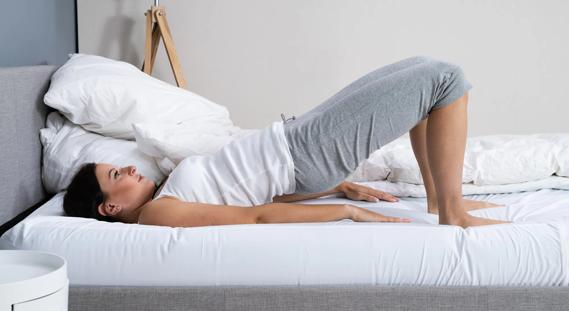
Get ready to squeeze your glutes, lift your quads and reverse some crunches

This outdoor activity can boost your mood, strengthen your body and support your long-term health
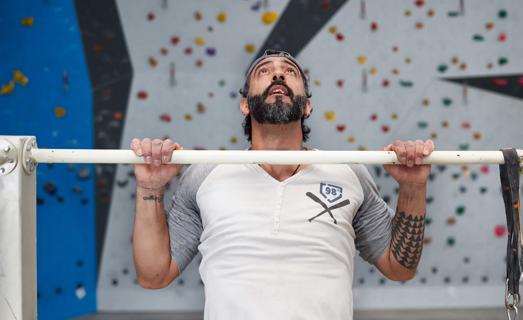
Stay slow and controlled as you work your way up past the bar
Following a few simple gym rules can help you feel confident, avoid awkward moments and stay safe
Functional fitness encourages real-life actions to help you move more easily, safely and confidently
Clamshells, Pallof presses and Romanian deadlifts can help strengthen and build core muscles
This popular game is a great, high-quality workout that can improve heart health, muscle strength, balance and coordination
Hope you’re hungry because the answer is both
Blue light-filtering glasses may help some people sleep better, but they don’t prevent eye strain and aren’t needed for eye health

Avoiding outside messaging may be difficult, but you can change how you think about T2D
The term refers to how long it takes you to fall asleep, which can be a key factor in overall sleep quality











