Locations:





Eating more fiber helps keep your digestive system moving and may lower your risk for colon cancer
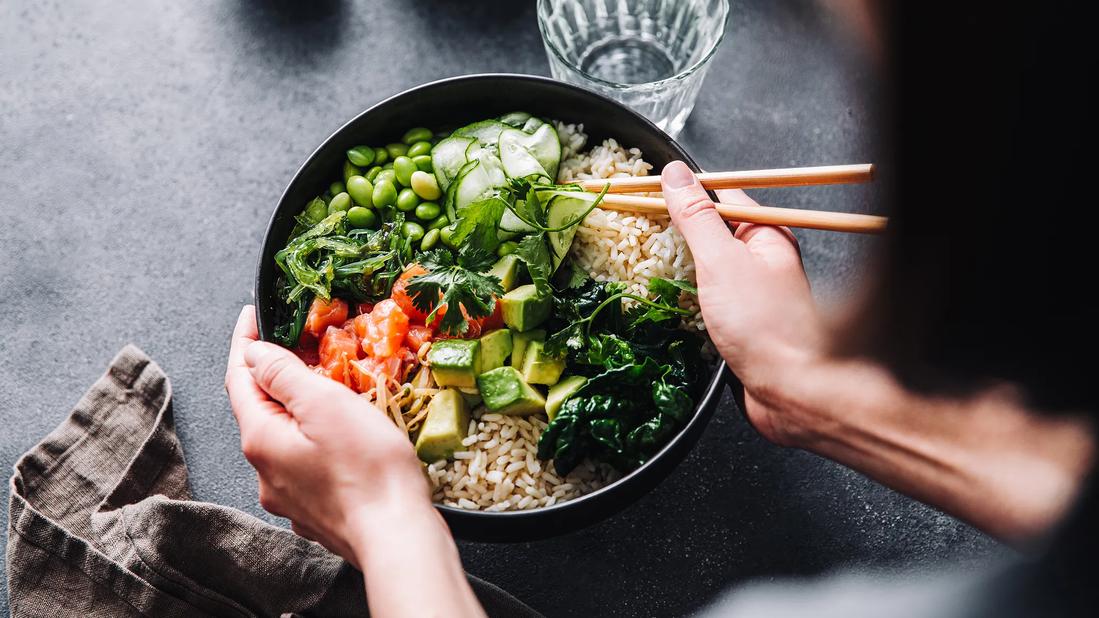
Image content: This image is available to view online.
View image online (https://assets.clevelandclinic.org/transform/faac7b7d-93bf-47e7-9443-794869f87f4c/high-fiber-salad-1387721015)
Person about to eat a bowl of rice and mixed veggies, including edamame, sprouts and avocados
Colorectal cancer is one of the most common cancers in the United States. The good news is that it’s also one of the most preventable.
Advertisement
Cleveland Clinic is a non-profit academic medical center. Advertising on our site helps support our mission. We do not endorse non-Cleveland Clinic products or services. Policy
Staying physically active, limiting your alcohol consumption and keeping up with colon cancer screening can all lower your risk.
Your diet plays an important role, too. And one nutrient in particular can make a big difference: fiber.
What exactly is the link between colorectal cancer and fiber? And how can you make sure you’re getting enough of it? Gastrointestinal medical oncologist Alok Khorana, MD, explains the connection and offers advice.
Fiber is the part of plant foods your body can’t fully digest. Instead of being broken down, it moves through your digestive tract.
Along the way, it does a few helpful jobs:
Advertisement
“These benefits don’t happen overnight,” Dr. Khorana notes. “But over time, a diet rich in fiber supports your colon health and promotes healthier systems throughout your body.”
Most adults should aim for about 25 to 35 grams of fiber per day.
But most people in the U.S. aren’t eating nearly enough. Some estimates suggest only about 5% of Americans hit that goal and that, on average, adults in the U.S. consume only about 14 grams of fiber per day.
“Getting enough fiber often requires intentional choices, as many common foods — like red meat, ultra-processed snacks and refined grains — contain very little fiber,” Dr. Khorana says.
The easiest way to get more fiber in your diet is to eat more whole plant foods. Good sources of fiber include:
Dr. Khorana recommends looking for simple opportunities to swap lower-fiber foods for higher-fiber options.
“Small shifts can add up,” he adds. “When you build meals around plant foods, you naturally increase your fiber intake, which supports both digestive health and overall wellness.”
If you’re struggling to get enough fiber from food alone, fiber supplements may help fill the gap. But they shouldn’t replace a fiber-rich diet.
“Whole foods should always be the first choice,” Dr. Khorana advises. “Supplements can be helpful for some people, but they don’t provide the full range of nutrients you get from fruits, vegetables and whole grains.”
It’s always best to talk with a healthcare provider before starting supplements. They can help you find an option that’s appropriate for your needs and make sure it won’t interfere with other treatments or medications.
While fiber is important, it’s only part of the bigger picture. In addition to getting more fiber in your diet, you can lower your risk of colon cancer by:
“Screening remains one of the most powerful tools we have,” Dr. Khorana emphasizes. “Finding and removing precancerous polyps early can prevent cancer from developing.”
Advertisement
A fiber-rich diet supports healthy digestion, beneficial gut bacteria and regular bowel movements — all factors linked to colon health and lower colon cancer risk.
And most people could benefit from more of it.
“The simplest advice is to eat more plant-based foods,” reiterates Dr. Khorana. “When you prioritize fruits, vegetables, beans and whole grains, you naturally increase fiber. That’s good for your colon and your overall well-being.”
Advertisement

Sign up for our Health Essentials emails for expert guidance on nutrition, fitness, sleep, skin care and more.
Learn more about our editorial process.
Advertisement
Colonoscopy is the most common, but there are other options, too
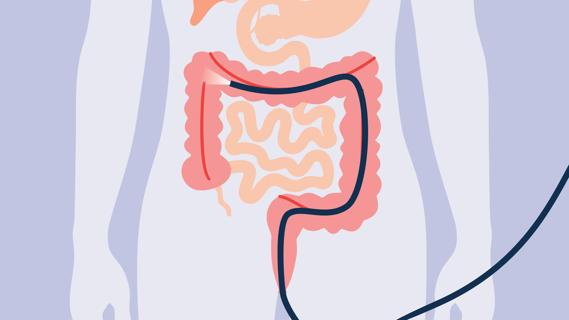
If you’re at average risk, it’s recommended that you get your first colonoscopy at age 45

Focus on exercise, eating healthy and getting regular screenings to help lower your risk

Chronic inflammation from flare-ups can damage the lining of your intestinal wall, making your colon more vulnerable to cancer

A steady increase in cases in those younger than 50 started decades ago

It’s a slow-moving process that offers an opportunity for early detection and treatment
At-home screening options can be good detection tools, but a colonoscopy remains the gold standard

Knowing your family history and getting a genetic test can help detect colorectal cancer earlier

Managing your weight through physical activity may lower your chances of getting this common cancer

It typically starts in October and winds down in early spring, with cases at their highest in the middle of winter

Anxiety disorders, health conditions and past trauma can make driving nerve-wracking — help is available
 Search










