Locations:





You can release serotonin, oxytocin, dopamine and endorphins by cooking a meal, walking outside, petting your dog and more
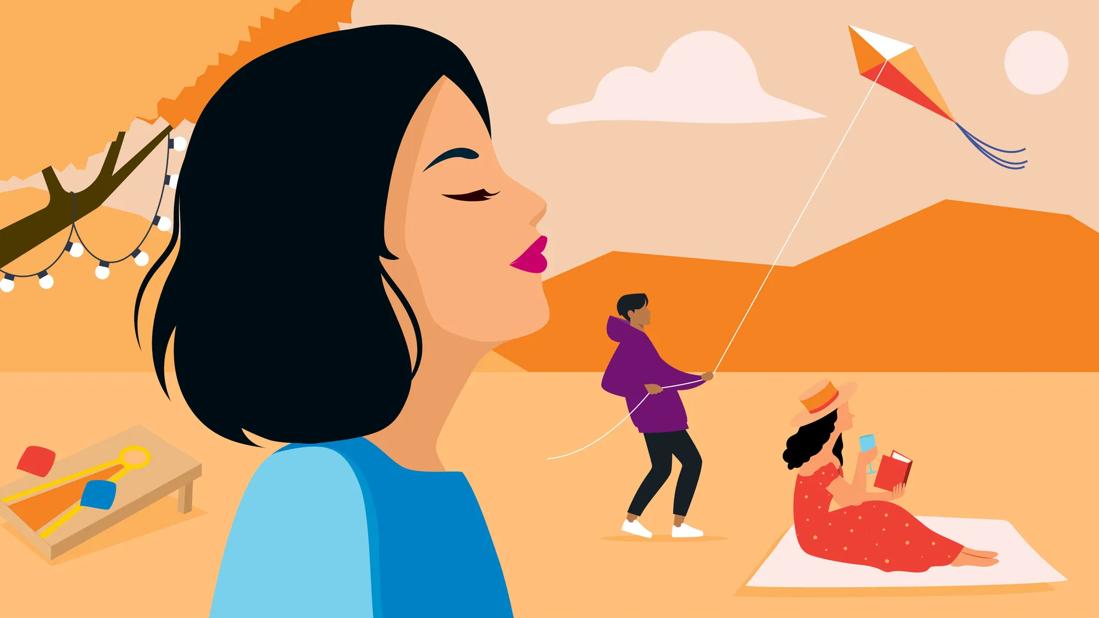
Image content: This image is available to view online.
View image online (https://assets.clevelandclinic.org/transform/882893ba-62fc-46f8-a289-7aac5bef9a6f/enjoying-outdoors-216349466)
Person enjoying the day outside in a park, with other people doing fun activities
Your day is not off to a good start. You somehow managed to hurt your neck getting into the car, spilled coffee on yourself at the drive-thru and forgot about that presentation you were supposed to give (checks watch) ... 15 minutes ago. It can only go downhill from here, right?
Advertisement
Cleveland Clinic is a non-profit academic medical center. Advertising on our site helps support our mission. We do not endorse non-Cleveland Clinic products or services. Policy
Maybe not, if you know how to hack your happy hormones. Psychologist Susan Albers, PsyD, explains how these neurochemical messengers work — and what activities you can do right now to give them a boost.
Hormones are chemical messengers in our brain and body that regulate our sleep, appetite, mood and much more. There are four that are commonly described as “happy hormones” or “feel-good hormones.” Releasing them can boost our sense of pleasure and well-being. They are:
Advertisement
“There isn’t one magic formula for boosting our happiness. But there are activities, according to research, that can boost our happiness by triggering the four happiness hormones,” Dr. Albers shares. “When these hormones are released, they make us feel warm and fuzzy and evoke a sense of pleasure.”
Here are a few things you can do right now to take charge of your mood and turn your day around:
It’s empowering to know we have the ability to manipulate our happy hormones and improve our mood. Unfortunately, the flip side is also true. According to Dr. Albers, chronic stress, a lack of sleep, a sedentary lifestyle and a less-than-healthy diet can throw our happy hormones off kilter.
“If you try all of these activities and still find that it’s hard to change your mood, connect with a mental health professional,” she urges. And if you’re experiencing new or worsening physical symptoms, you should also check in with your primary care provider. You may be dealing with an underlying health issue.
Advertisement

Sign up for our Health Essentials emails for expert guidance on nutrition, fitness, sleep, skin care and more.
Learn more about our editorial process.
Advertisement
The kind of testing you need depends on your symptoms
Estrogen and progesterone changes throughout the month — and throughout your life — can make you more prone to dental health concerns

Certain activities, foods and supplements can help calm your body

Get familiar with these everyday toxins

That unnerving sense that something terrible is about to happen can be a sign of serious distress — trust your gut

Symptoms include chronic exhaustion, overstimulation and skill loss

This simple mindfulness exercise can help interrupt anxious thoughts by bringing your attention to your five senses
If a small frustration leads to a big emotional reaction, built-up stress may be to blame

Managing your weight through physical activity may lower your chances of getting this common cancer

It typically starts in October and winds down in early spring, with cases at their highest in the middle of winter

Anxiety disorders, health conditions and past trauma can make driving nerve-wracking — help is available
 Search










