Locations:





Too much sodium can cause high blood pressure and increase your risk of heart disease
Image content: This image is available to view online.
View image online (https://assets.clevelandclinic.org/transform/59cee707-8e77-4624-b7f0-7b23065ed522/salt-warning-1342528569)
Pile of salt with wooden scoop, with exclamation mark inside shape of a heart
Forget the sweet tooth. Sometimes, your tongue craves something savory, like a salty pile of pretzels or chips. But you’ve probably heard that too much salt (or sodium) isn’t good for you.
Advertisement
Cleveland Clinic is a non-profit academic medical center. Advertising on our site helps support our mission. We do not endorse non-Cleveland Clinic products or services. Policy
But why is salt bad for your heart?
Cardiologist Luke Laffin, MD, answers your saltiest questions and gives the lowdown on sodium, your heart and your health.
Sodium is a mineral that we all need. It plays a role in the healthy function of nerves and muscles and helps keep your body’s fluid levels in proper balance.
But that fluid balance is delicate. Too much sodium can cause:
So, keep tabs on your sodium, especially if you have high blood pressure, heart disease or are at risk of developing them.
Aim to keep your sodium intake below 2,300 milligrams (mg) per day. That’s equal to about 1 level teaspoon of salt.
“Think about that 2,300 mg as a debit card you get every morning,” illustrates Dr. Laffin. “Don’t spend it all in one place. And if you go over, you’ll pay interest — in the form of higher blood pressure.”
Advertisement
Your healthcare provider may make different recommendations depending on your medical history. For example, if you have high blood pressure, your doctor may recommend eating less salt.
“Almost everyone with high blood pressure should be on a low-sodium diet,” he adds. “If you can get it down to less than 1,500 mg per day, that’s ideal.”
Consider following the DASH diet, which is designed to lower your blood pressure by eating heart-healthy foods. Lowering blood pressure is an important way to reduce your risk of heart disease.
Doctors also recommend that people with heart failure eat a low-sodium diet. Too much salt can cause fluid to build up around your heart and lungs, making your heart work harder.
Evidence suggests that a limit of 2,000 mg per day of sodium is a good goal for people with heart failure, especially if they also have high blood pressure. But there’s an important caveat.
“Some data suggests very low levels of sodium may lead to worse outcomes in people with heart failure, so discuss sodium intake with your healthcare provider,” Dr. Laffin says.
Most people think of salt as the stuff that comes out of a shaker. But that makes up a surprisingly small fraction of the sodium in an average diet. Most of the sodium we swallow comes from prepared and packaged foods.
Dr. Laffin offers these strategies for keeping sodium levels in the healthy range for your heart:
Advertisement
How much salt you consume each day can have a direct impact on your heart health. To keep track of how much salt is in the foods you’re eating, Dr. Laffin recommends reading labels and tweaking your diet where you can.
Small wins can add up to big benefits for your heart. And if you don’t know how much salt is right for you, don’t hesitate to talk to a doctor.
“Watching your salt intake gets easier with practice,” reassures Dr. Laffin. “It’s a habit your heart will thank you for.”
Advertisement

Sign up for our Health Essentials emails for expert guidance on nutrition, fitness, sleep, skin care and more.
Learn more about our editorial process.
Advertisement
Eating too much salt can put extra pressure on your blood vessels and heart
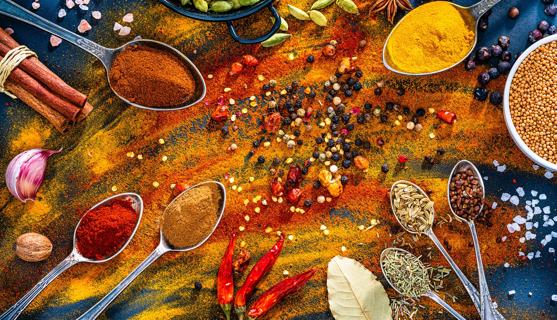
Keep the flavor and cut the sodium by using herbs, garlic, ginger, citrus and more in your cooking
Excess salt and sodium consumption is a worldwide health concern
Pass the (iodized) salt to support your thyroid, disinfect a wound and more

Two key electrolytes — sodium and chloride — are the building blocks of salt
Unproven and unregulated, they aren’t the best choice to boost performance
Too much salt in your diet? Here’s how to cut back
How to make your meals less salty and more flavorful

Managing your weight through physical activity may lower your chances of getting this common cancer

It typically starts in October and winds down in early spring, with cases at their highest in the middle of winter

Anxiety disorders, health conditions and past trauma can make driving nerve-wracking — help is available
 Search










